
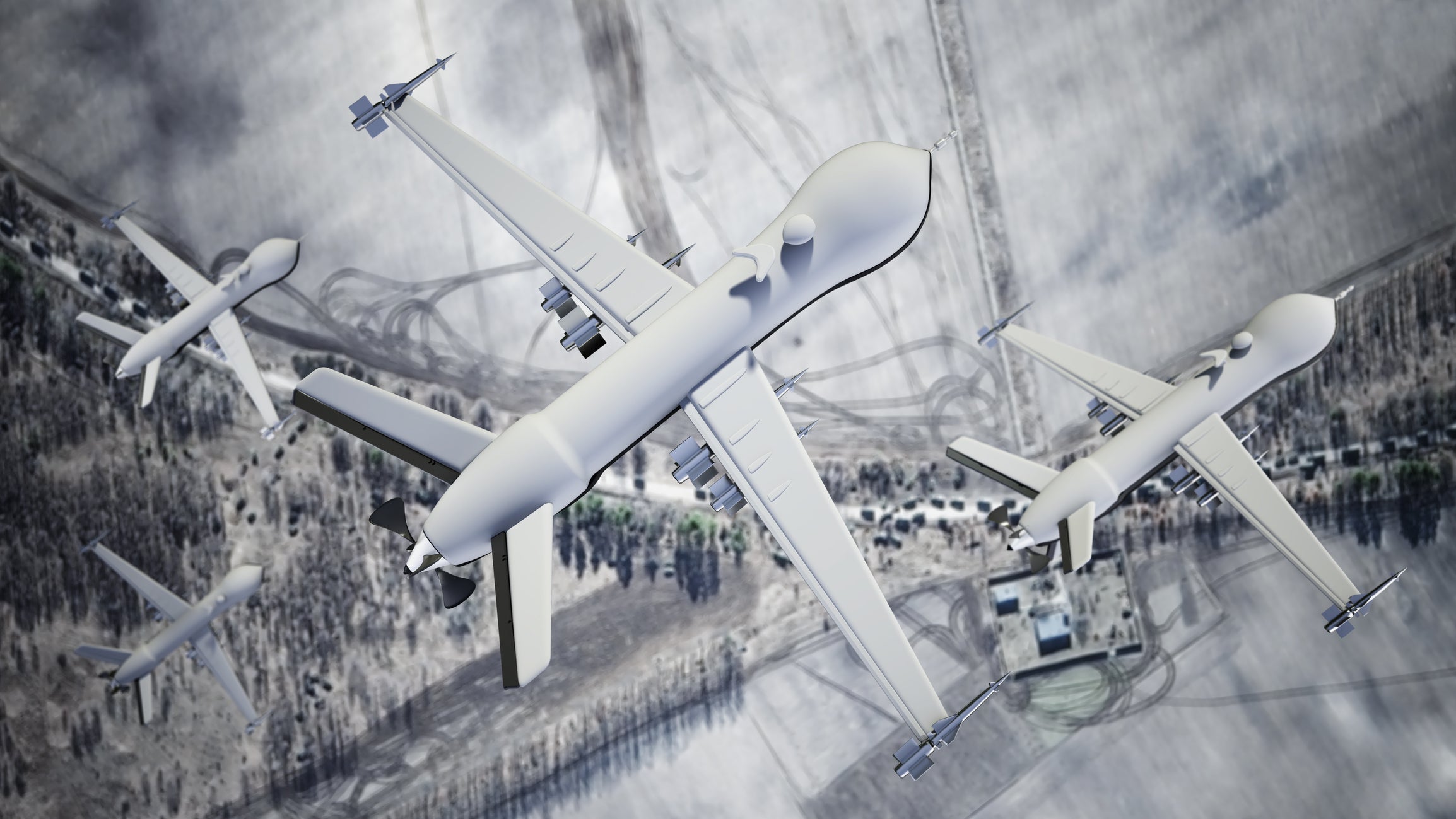
More than 70 states have indicated they are ready to begin negotiating binding rules at the Review Conference of the Convention on Certain Conventional Weapons later this month. The US is moving in the opposite direction: on 30 September, the US Department of War announced an Autonomous Warfare Command, intended to scale autonomous warfare across the military by October 2027.
The announcement also launched Project Meridian, a 120-day study of technologies the US military will need for future wars. It will be led by Elon Musk, Palmer Luckey, chief executive of defence firm Anduril, and US politician Newt Gingrich, with findings due in January. SpaceX is a backbone of US national security, while Anduril sells jammers, interceptors and uncrewed combat aircraft to the military. Critics say Musk and Luckey could help identify needs their own companies already meet; the announcement describes no recusal or disclosure mechanism.
The article cites Queen Mary University of London professor Elke Schwarz’s work on how technology firms’ commercial logic can recast moral and legal questions about violence as engineering problems. It argues that this approach is neither technically nor legally workable, and says Project Meridian risks making it the agenda. At the same time, the Trump administration has dismantled parts of the system for learning about civilian harm. The Pentagon’s Civilian Protection Center of Excellence went from 40 staff to nine in 2025. The Pentagon inspector general concluded that the department no longer has the personnel and capabilities needed to meet its legal responsibilities. Airwars and other groups documenting civilian harm, the article says, can struggle to get evidence to commands able to act on it.


Comments (0)
No comments yet. Be the first!