AI models have spent days tackling five open problems in materials science without making much headway. Discovered Materials, a San Francisco startup in Y Combinator’s spring 2026 batch, is now offering a total of $1 million in prizes for solutions it hopes will help track progress in the field.
The challenges, developed with an advisory group of academics, range from explaining cuprate superconductivity—the ability of some materials to conduct electricity with zero resistance at ultra-low temperatures—to improving Density Functional Theory, a widely used method for modeling atomic and molecular structures.
The other problems are to predict the structures of silicon-silicon dioxide interfaces, map grain structures to thermal properties to aid heat dissipation, and explain how shining light on materials can change their behavior, particularly in relation to superconductivity.
“Across materials science, there are phenomena we observe but cannot explain,” Stanford professor Felipe Jornada, who helped develop the challenges, said in a statement. Answers could improve understanding of physics and influence how electronics are built, energy is stored and materials are manufactured, he said.
Before announcing the prize pool, Discovered Materials let frontier AI models work autonomously on each problem for several days, with internet access and other resources. They made little progress, co-founder Advaith Sridhar said. He added that the company does not mind whether a solution comes from its own work, a professor or a major AI lab. The challenges are intended as “goalposts” for measuring whether models are advancing in materials science.
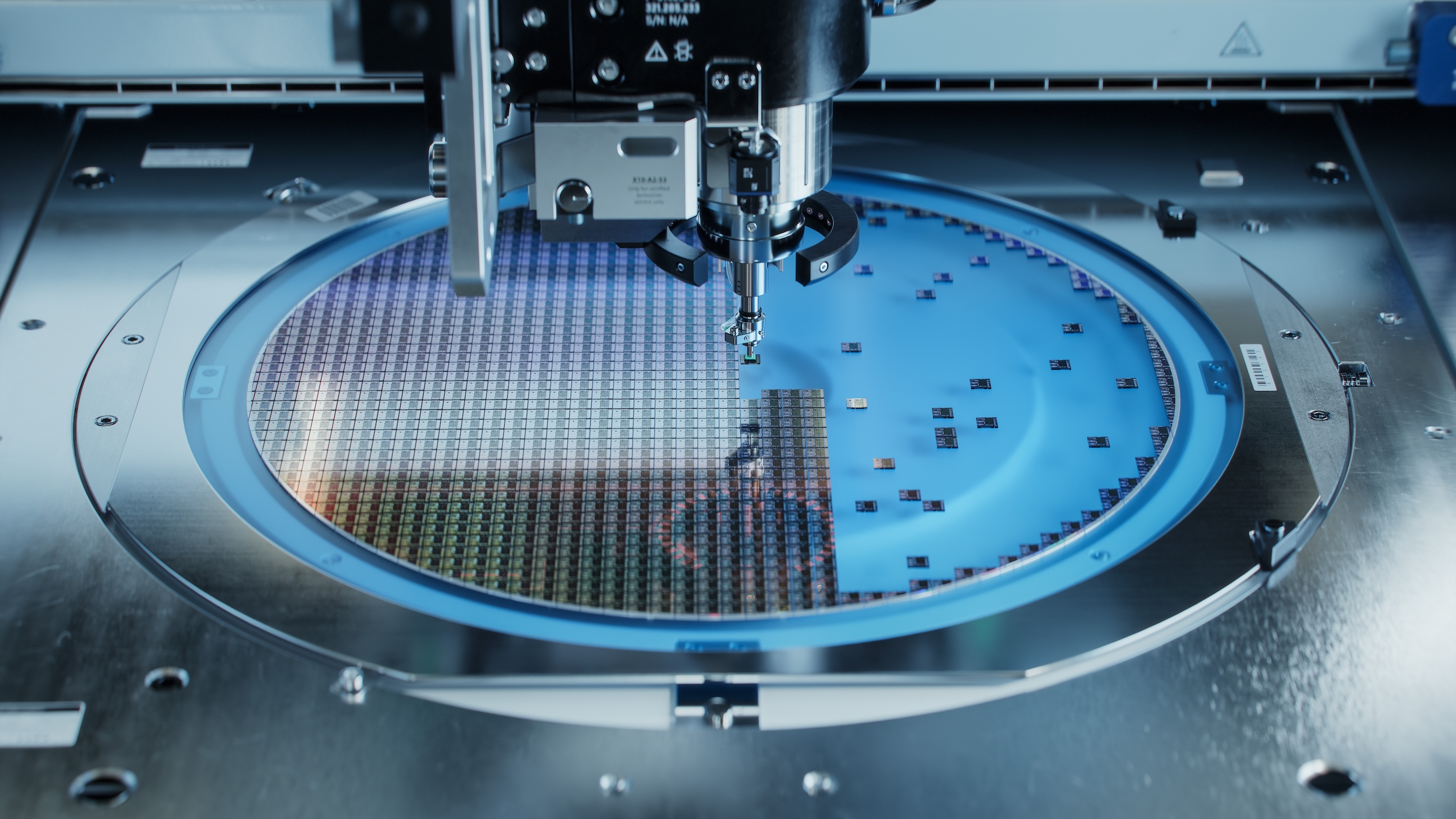
The startup’s core business is developing materials for semiconductors. It works with major chip companies on research and also funds its own scientific projects. When it announced a seed round in August, Sridhar told TechCrunch he hoped the company would produce a useful material within a year. He now says he is more confident it can find industrially useful materials in less than a year.




Comments (0)
No comments yet. Be the first!