Europe’s democratic renewal may lie beyond Brussels
From student protests in Serbia to wetland defenders in Albania and river campaigners in Bosnia and Herzegovina, communities on Europe’s margins are confronting questions of power, belonging and shared resources. Their actions offer lessons for the European Union, the article argues, but Brussels still tends to treat these places as recipients of democratic standards.
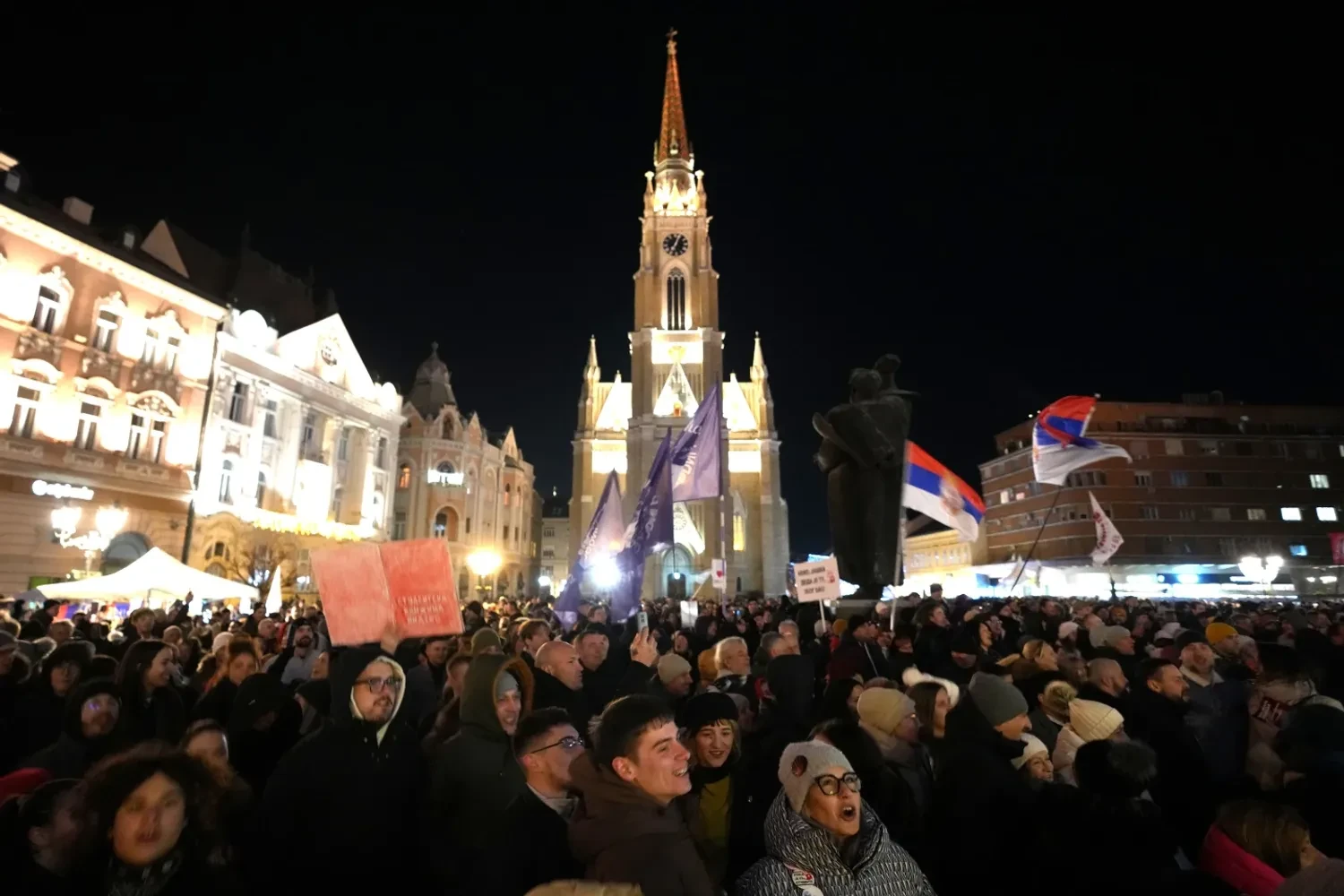
On 25 October, Serbia’s student-led movement won a parliamentary majority after nearly two years of protests, challenging an entrenched establishment. The demonstrations began after a deadly railway station collapse in Novi Sad and grew into a nationwide protest against corruption and the exercise of power. In Albania, the so-called Flamingo Protests oppose a luxury tourism project that threatens protected wetlands. Bosnian women who campaigned against hydropower development on their river have crossed the border to support Albanian communities defending theirs.
The article frames these campaigns as evidence that Europe’s political peripheries are not simply places to administer or instruct. Brussels, it says, has often approached them as sources of labour, energy, tourism and strategic assets, or as candidates to be taught democratic standards. Political ideas tend to flow outward from the centre, while resources move inward. Yet communities in borderlands, divided cities, islands and ports grapple directly with questions about who belongs, who shapes development and how people share contested land and water.
The movements offer no ready-made blueprint, the article cautions. Serbia’s mobilisation, Albania’s protests and cross-border solidarity among river defenders instead show practices that European institutions could study. The author also identifies a deeper problem: liberal democracy can protect rights and constitutional safeguards without giving people a strong sense of common purpose. Populist and ethno-nationalist movements exploit that gap by offering solidarity and belonging, but define them through exclusion.
Local forms of belonging are no automatic solution. They can exclude people or preserve injustice, and an election victory alone does not guarantee democratic government. The argument is that Brussels should take such experiments seriously rather than dismiss them as local anecdotes: communities should help frame policy questions before decisions are made. The article calls for reversing the usual direction of learning and bringing ideas from Europe’s margins into wider democratic debate.



Comments (0)
No comments yet. Be the first!