
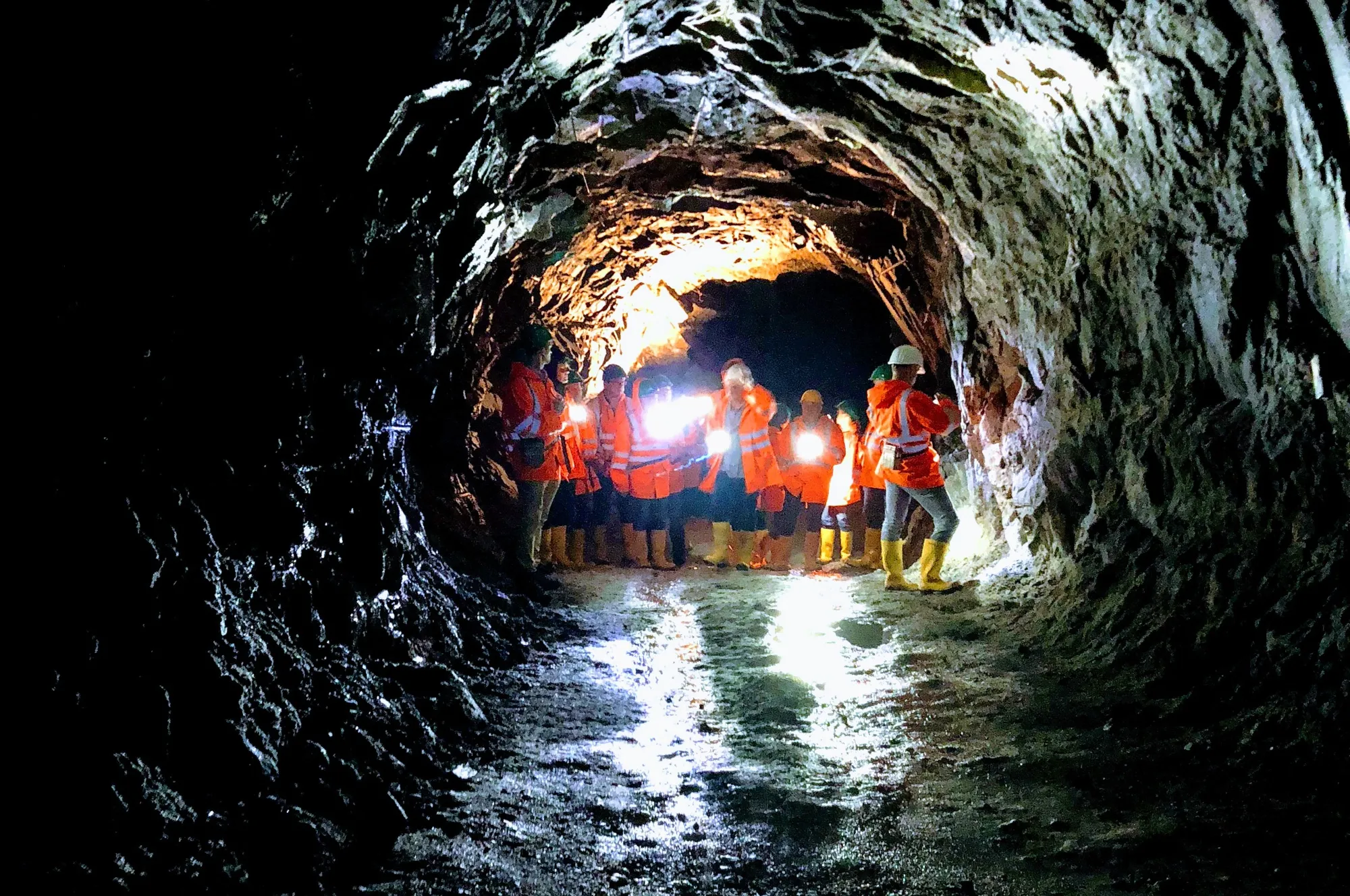
The European Union’s Critical Raw Materials Act sets 2030 targets: extract 10% of annual strategic-material consumption within the bloc, process 40% and meet 25% through recycling. It also aims to ensure that no more than 65% of any strategic raw material comes from a single non-EU country. Progress has been limited: in early 2026, the European Court of Auditors said diversification efforts had yet to produce tangible results. Ten of the 26 materials needed for the energy transition were not recycled, while seven had recycling rates of just 1–5%.
Processing is a particular vulnerability. China controls an estimated 81% of global critical-mineral processing capacity, meaning new mines alone would not guarantee Europe control over supply chains. Deposits in neighboring countries could be linked to European transport, industrial clusters and capital markets, but proximity cannot create an integrated chain without policy and investment.
Ukraine’s government says the country has deposits of 22 of the 34 materials the EU classifies as critical. The EU Institute for Security Studies highlights graphite, titanium and manganese, as well as lithium, cobalt, nickel, magnesium, baryte and rare earth elements. But geological occurrences are not necessarily recoverable reserves. Much of Ukraine’s geological data is old, projects need exploration and infrastructure, and the war complicates financing, insurance and construction. Ukrainian estimates cited by Reuters put around 40% of the country’s metal resources in Russian-occupied territory.
The EU has maintained a strategic raw-material partnership with Ukraine since 2021, covering entire critical-material and battery value chains. The article argues that reconstruction could build on that approach through geological mapping, transparent licensing, renewable power, processing, transport infrastructure, technical education and recycling.


Comments (0)
No comments yet. Be the first!