Home→Energy→Democratic Congress Could Shift Trump’s Energy Policy Abroad
Energy

Democratic Congress Could Shift Trump’s Energy Policy Abroad

Democrats won control of both chambers of Congress in the 2026 midterms, adding new checks on President Donald Trump’s domestic agenda. But the result may do less to curb his influence over foreign policy, where executive powers over sanctions, diplomacy and some trade measures remain significant.

Democratic Congress Could Shift Trump’s Energy Policy Abroad

The shift is expected to raise the political cost of escalation involving Iran, complicate potential concessions to Russia and increase scrutiny of trade policy. It could also push the White House toward greater use of executive action, adding uncertainty for global energy markets rather than reducing it. The election changes the constraints on US policy, not the fundamental powers available to the administration.

The Senate results gave Democrats 54 seats to Republicans’ 44, after seven Republican-held seats flipped. Alaska and Mississippi remained uncalled as of 6 November, but neither race could change control of the chamber. In the House, Democrats were projected to win between 251 and 268 seats; 68 races were still uncalled, according to the Associated Press on 4 November. Five of the Senate flips were in states rated toss-ups by the Cook Political Report before the election: Iowa, Kansas, Maine, Ohio and Texas. North Carolina and South Carolina were the other two.

The president retains his veto, and overriding it requires 67 senators and 290 House members. The projected Democratic House majority falls short of that threshold. Congress’s stronger levers are funding and, in the Senate, confirmations. On Iran, lawmakers could withhold war funding or delay confirmations, although a veto limits the impact of war-powers resolutions. On Russia, Democratic control of the Senate could strengthen support for Ukraine aid and slow confirmation of envoys and sanctions officials, making concessions pressed on Kyiv harder to sell. On China, lawmakers may seek to put rules on chip exports, rare earths and outbound investment into law.

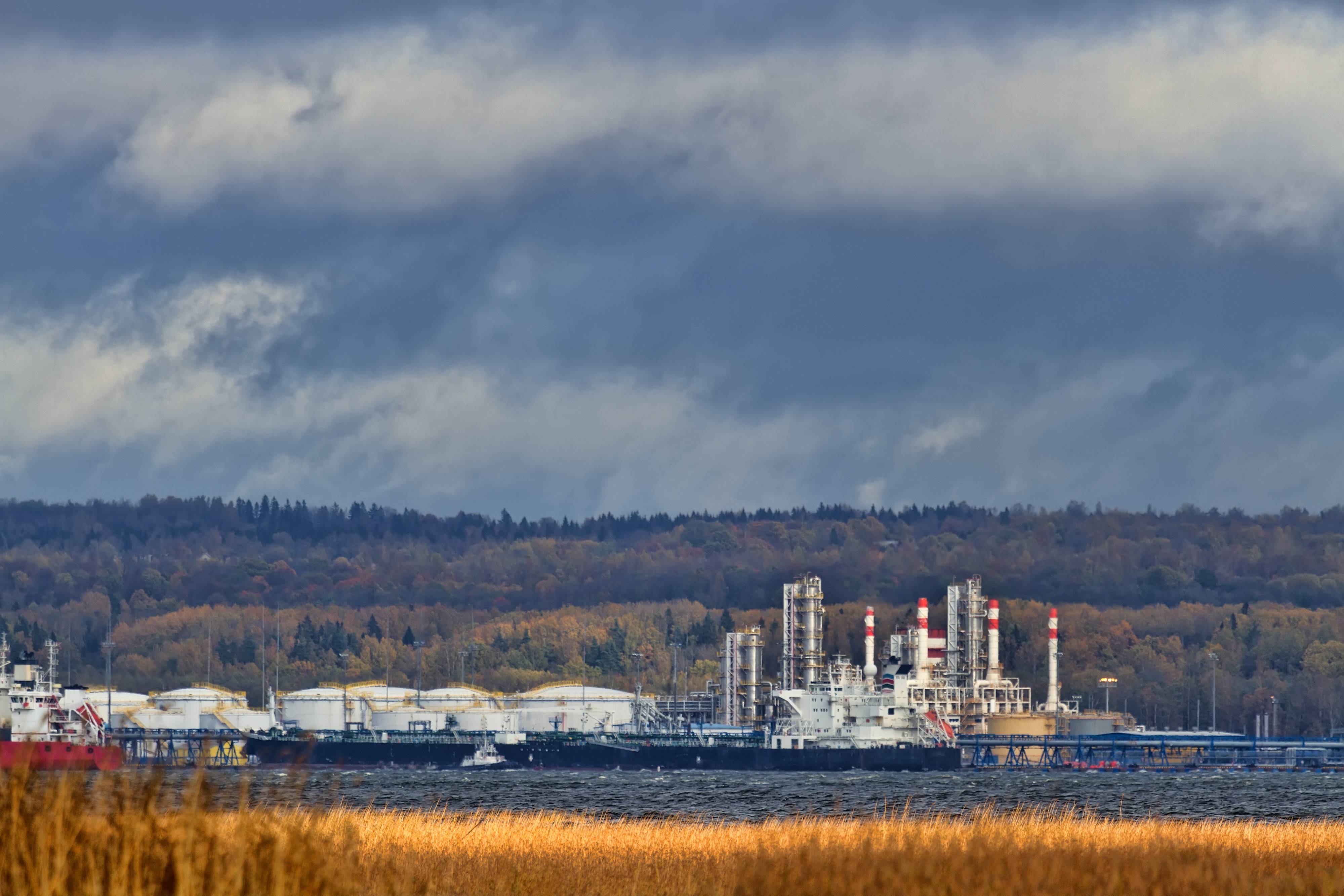
Domestic oil and gas production is still expected to follow market conditions, investment economics and infrastructure limits. Existing approvals for LNG terminals covering 2026–31 remain in place, though proposals beyond 2031 could face more scrutiny. Appropriations riders and delayed confirmations could affect federal leasing, but statutory lease sales and permits on existing leases continue. Democrats may protect remaining renewable-energy credits and seek longer battery-storage credits; restoring wind and solar credits is considered out of reach. Nuclear energy, geothermal and critical minerals retain bipartisan support.

The outgoing Congress remains in power until the new one convenes on 3 January. It faces an 11 December funding deadline and the Export-Import Bank charter’s expiry on 31 December. Budget and debt-limit negotiations in 2027 will offer an early test of the new balance. State-level decisions will also matter: governors appoint public utility commission chairs, who influence data-center tariffs and grid-cost allocation. Democrats flipped governorships in Georgia, Iowa, Nevada, Ohio and Texas, while holding Arizona, Maine, Michigan and Wisconsin.

Comments (0)

Leave a comment

No comments yet. Be the first!