
The World Meteorological Organization (WMO) and the National Oceanic and Atmospheric Administration (NOAA) project that the event could be among the most destructive climate events in 50 years. El Niño patterns usually occur every two to seven years and last nine to 12 months; the second year is often warmer than the first. A Super El Niño is defined by sea-surface temperatures at least 3.6F (2C) above the long-term average. The WMO puts the likelihood of El Niño persisting through February 2027 at nearly 100% and says it could be the strongest on record. Only three very strong or Super El Niños have been recorded since 1950; the last was in 2015-16. The WMO said Pacific Ocean temperatures in this event are already more than 2 degrees Celsius above normal and that 2027 could surpass 2024’s record heat.
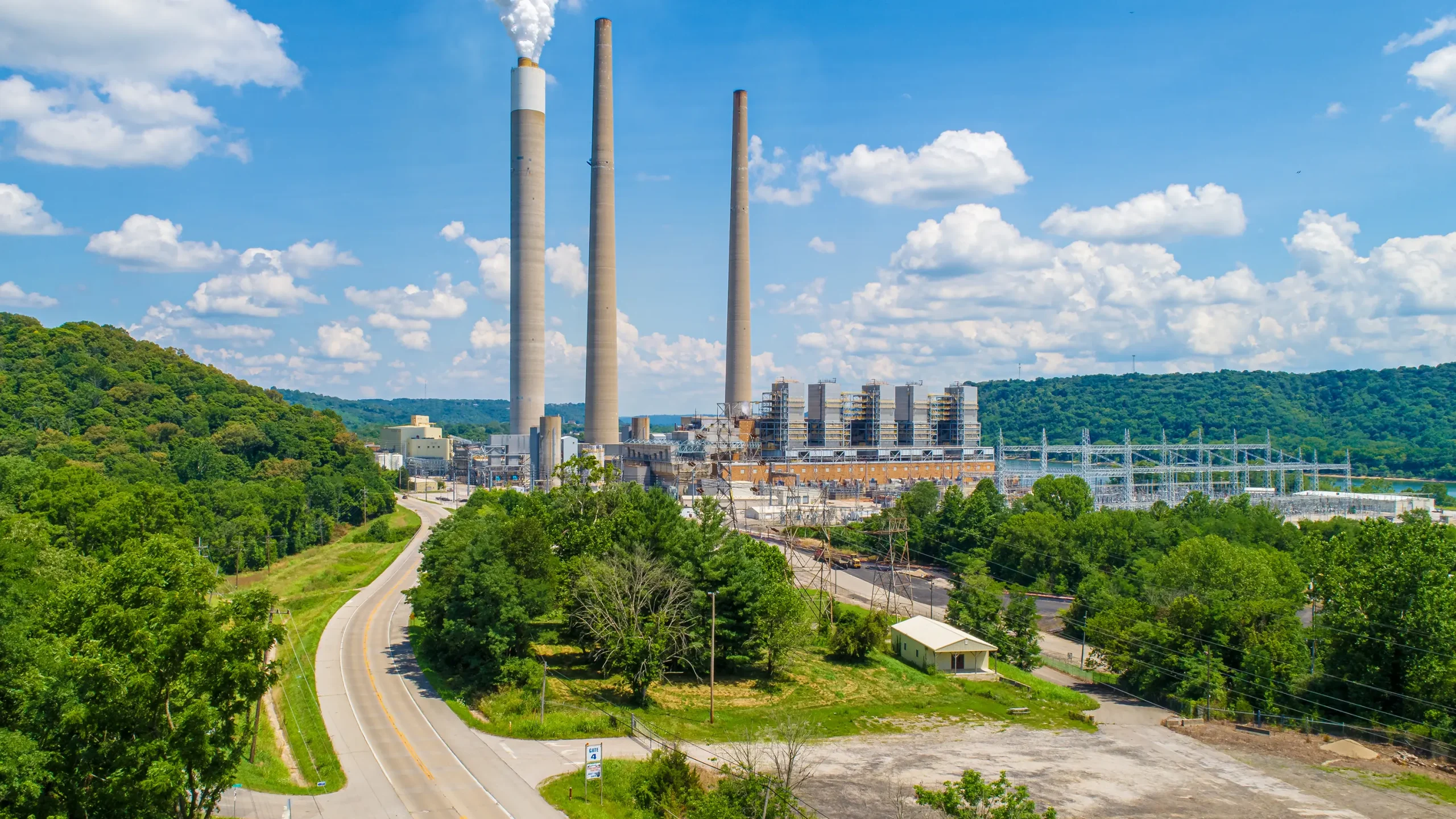
India is already seeing higher coal generation. El Niño-related heat and weaker monsoon rains can reduce hydropower and wind output while increasing electricity demand for cooling. Reuters reported that India’s coal-fired generation rose 25.7% year over year in October, and its share of total generation increased to 71.7% from 66.03% in September. Hydropower generation fell 26%, its steepest decline since February 2024. At one point that month, 100 of the country’s 191 coal-fired plants had critically low fuel stocks. Earlier, the Finland-based Centre for Research on Energy and Clean Air (CREA) estimated a possible generation gap of nearly 18 TWh and said coal generation could rise enough to release an estimated 17 million tonnes of CO2.


Comments (0)
No comments yet. Be the first!