
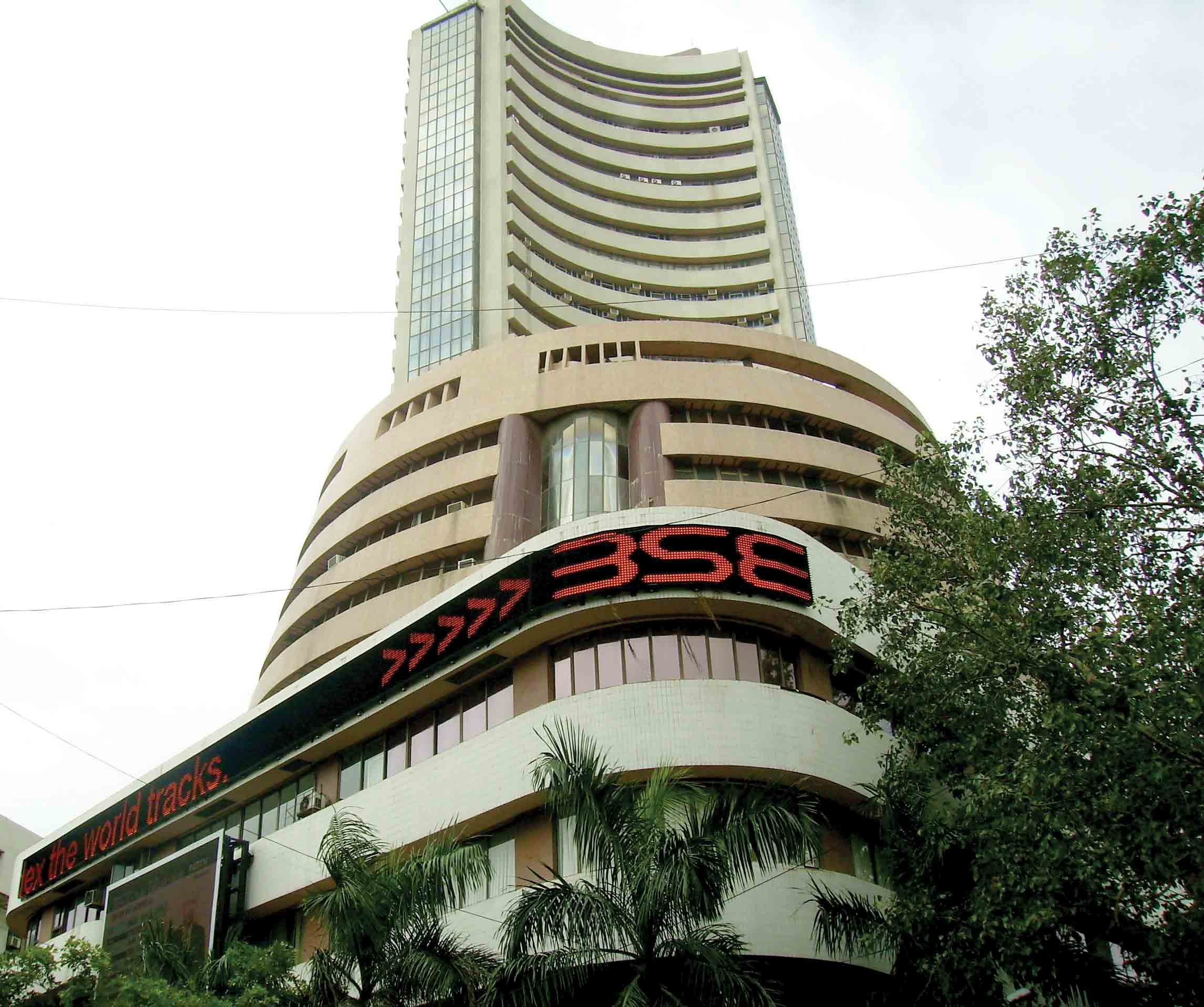
The BSE Sensex has fallen 11 per cent since January, leaving it about 21 percentage points behind the S&P 500 and 36 points behind Japan’s benchmark, according to the source. India’s reliance on imports for 85 per cent of its oil and gas has made the market vulnerable to surging energy prices amid Gulf clashes involving Iran, neighbouring countries and the US. Foreign institutional investors have withdrawn as much as $35 billion, India Capital Growth Fund said in November 2026.
The Nifty 50 rose 8.58 per cent in the week to 6 November, its biggest weekly gain since early 2021. The Sensex was up 10.5 per cent in November as of the article’s reporting date. Gaurav Narain, principal advisor to London-listed India Capital Growth Fund, attributed the market’s weakness to slowing earnings momentum, a correction after strong post-Covid gains, higher energy costs and related pressure on companies. He said India’s economy was “doing very well,” corporate governance was a positive and valuations near 16 times earnings were attractive. Narain said he expects nominal GDP growth of around 10 per cent a year for some time.
Eastspring Investments has also identified opportunities in Indian auto-component suppliers, hospital chains and selected quick-commerce platforms. Portfolio manager Yuan Yiu Tsai said domestic demand remained resilient, although higher food and energy prices were weighing on household purchasing power, particularly in rural areas. He said infrastructure investment and economic formalisation had broadened growth across industries and income groups. The Reserve Bank of India’s move to “calibrated tightening,” he added, pointed to a measured rather than aggressive tightening cycle.




Comments (0)
No comments yet. Be the first!