
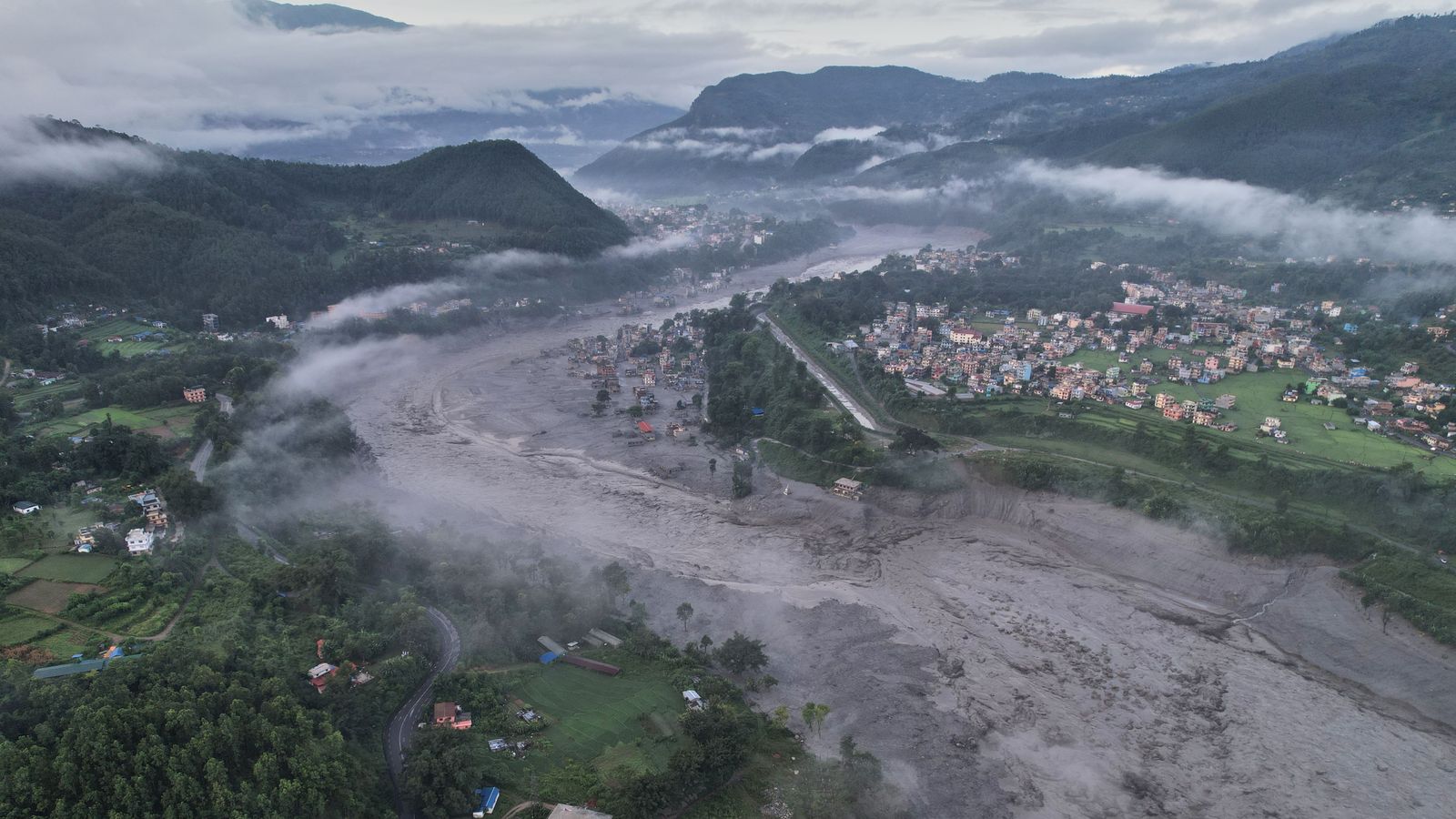
The Nepal-Tibet disaster followed a glacier collapse that sent a wall of water more than 100 meters high through a valley at 180 kilometers per hour. More than 1,500 people were killed and 5,600 remained missing, according to the source article. The head of the United Nations Office for Project Services said last month the catastrophe should be a “defining moment” for efforts to address the climate emergency.
Oxfam said flood deaths are seven times higher in more unequal countries. It also contrasted the vulnerability of people in the Global South with the emissions of the wealthiest: carbon pollution from a person in the richest 1% has contributed 34 times more to today’s extreme heatwaves than that of an average person, and 100 times more than someone in the poorest 50%, the group said.
The analysis comes as monthly temperature records were broken in more than 100 countries this year. In September, the UN said the planet was expected to exceed the Paris Agreement’s 1.5°C limit because countries were not doing enough to cut emissions. A report issued as world leaders gathered in Antalya, Türkiye, for the UN Climate Change Conference (COP31) warned the limit could be breached “irrevocably.”



Comments (0)
No comments yet. Be the first!