
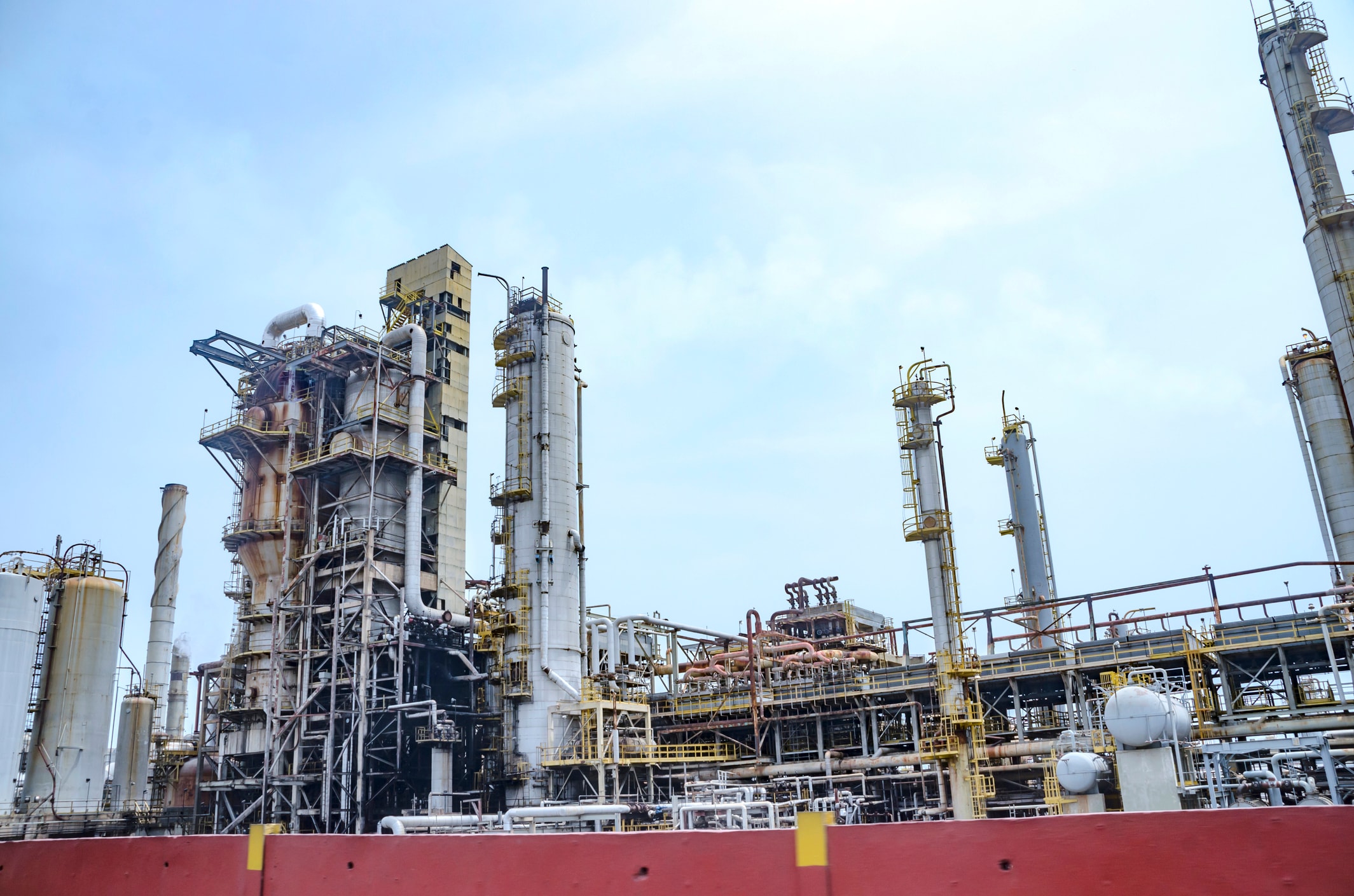
Passed unanimously by the National Assembly on Tuesday, the law lets oil producers build power plants for their own fields without state approval if they do not connect to the national grid. Other private generators need a concession from the Ministry of Electric Energy for plants above 50 megawatts. Assembly president Jorge Rodríguez, brother of interim President Delcy Rodríguez, said the generators would mainly serve large consumers. The government has not published their tariffs.
Households unable to pay full prices will remain on the subsidized state grid. Experts estimate it produces about 12,000 megawatts, against demand of 16,400 MW in September. A repair agreement with GE Vernova and Argentina’s Impsa is among the government’s options for increasing supply, but Caracas has not guaranteed payment to the suppliers. Interim President Delcy Rodríguez said on October 8 that the agreements would add 7,400 MW, with another 600 MW expected from unit 6 of the Planta Centro station in partnership with China.
The changes come as power failures constrain oil production and exports. Venezuela’s exports remained near 1.25 million barrels per day through the summer, amid aging terminals, crude-quality problems and grid failures; tankers waited as long as 30 days to load. Repsol, a 40% partner with PDVSA in the Petroquiriquire venture on Lake Maracaibo, had sought its own power plants and supplies by May, Reuters reported. Power expert Miguel Lara told Reuters then that he did not know “which power supply will support the economic reactivation they are talking about.”


Comments (0)
No comments yet. Be the first!