
Brazil announced the roadmaps in early November, ahead of COP31, scheduled in Turkey from November 9 to 20. The country hosted COP30 last year. The initiative followed President Luiz Inácio Lula da Silva’s October election victory over right-wing challenger Flávio Bolsonaro, securing Lula a fourth term. Environmentalists viewed the result as positive for Brazil’s rainforest and the broader climate effort.
André Corrêa do Lago, president of the COP30 summit, said the roadmaps are meant to shift climate conferences’ focus from negotiating agreements to implementing existing commitments. “They are documents of implementation,” he said, arguing that ministries responsible for transport, energy and infrastructure should use them to build national plans. Negotiators and officials tasked with implementation, he added, are not necessarily the same people.
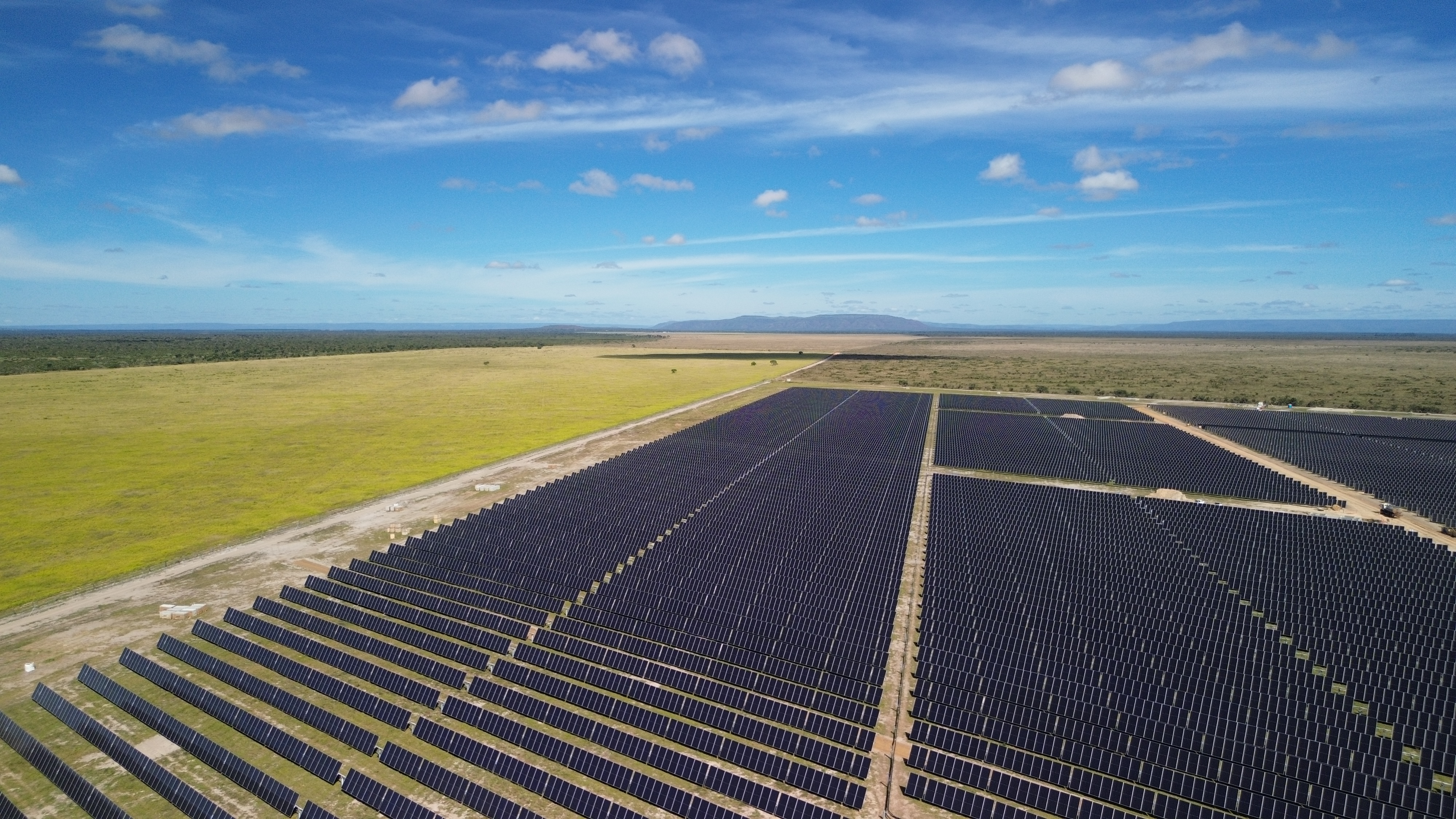
The recommendations include reducing gas flaring and venting by oil and gas producers, cutting government subsidies for fossil fuels, and expanding renewable energy. They also call for financial support to low-income countries addressing deforestation and climate change, and for rules governing trade between forested countries and consumer nations. The documents leave adoption to individual governments and say there is no “one-size-fits-all” approach. Corrêa do Lago said countries should assess their own circumstances before choosing policy measures. Brazil’s fossil-fuel roadmap proposes coordinated international action through 2033, a decade after COP28 in Dubai.




Comments (0)
No comments yet. Be the first!