Why Iraq Is Rushing to Finalize Chevron’s West Qurna 2 Deal
Iraq and Chevron have agreed commercial terms for the West Qurna 2 oilfield and expect to sign a formal deal before Dec. 31, ahead of the U.S. company’s February 2027 exclusivity deadline. The accelerated timetable reflects Baghdad’s push to secure production, investment and closer ties with Washington, according to the source.
Deputy Prime Minister for Energy Affairs Mohsen al-Mandalawi urged Iraqi negotiators during Chevron’s November visit to clear obstacles and move the West Qurna 2 agreement forward, a senior source close to the Oil Ministry told OilPrice.com. The source said Baghdad also agreed to handle negotiations over the Nassiriya oilfield separately and at a slower pace. Preparations included a technical consultancy contract signed in mid-September, allowing Chevron to advise state-run Basra Oil Company, which has operated West Qurna 2 since Lukoil effectively withdrew last November.
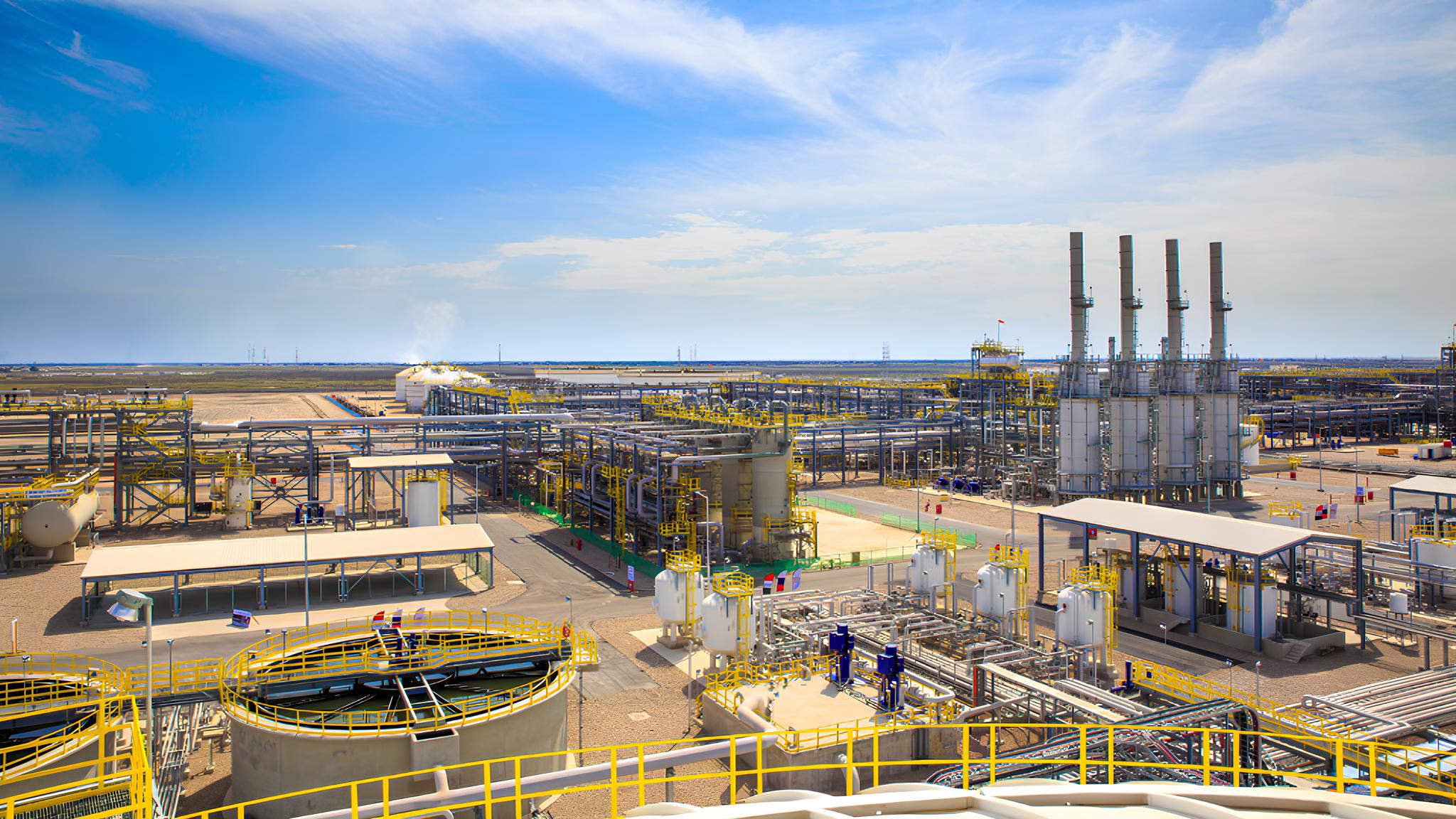
Located 65 kilometres northwest of Basra, West Qurna 2 has about 14 billion barrels of reserves in place. Under Lukoil, it produced around 400,000 barrels per day, but the source said the field had reached 650,000 bpd for extended periods in August and September 2017. The article says Iraq’s current working figure for peak production is 800,000 bpd, while the ministry privately believes output could approach 1.2 million bpd. Lukoil’s original contract had set that higher figure as the peak, before it was reduced from 1.8 million bpd.
The source gives three reasons for Baghdad’s urgency. Iraq needs oil revenue after the Strait of Hormuz closure disrupted exports: Foreign Minister Fuad Hussein said in mid-October 2026 that the country had lost about $60 billion in oil export revenue. The article also reports that the budget deficit rose 346% in the first nine months of the year, as oil revenue fell 50.8% year on year. Separately, full storage facilities and limited shipping options forced Iraq to shut some wells, raising concerns about lasting damage. Baghdad sees Chevron’s technical and financial capacity as vital to restoring and increasing output.
The deal also carries strategic weight, the article argues. Baghdad views Chevron’s U.S. presence as a potential deterrent to attacks and hopes it will encourage more American companies to invest. That push follows a June 2026 directive by Prime Minister Ali al-Zaidi prioritizing U.S. firms. During a five-day visit to Washington, al-Zaidi and U.S. President Donald Trump oversaw the signing of 48 agreements valued at more than $60 billion, involving companies including Chevron, ExxonMobil, Halliburton, KBR, GE Vernova and Starlink.




Comments (0)
No comments yet. Be the first!