Home→Newsroom→More Than 80 Groups Challenge US-Backed Pax Silica Hub in Lu…
Newsroom

More Than 80 Groups Challenge US-Backed Pax Silica Hub in Luzon

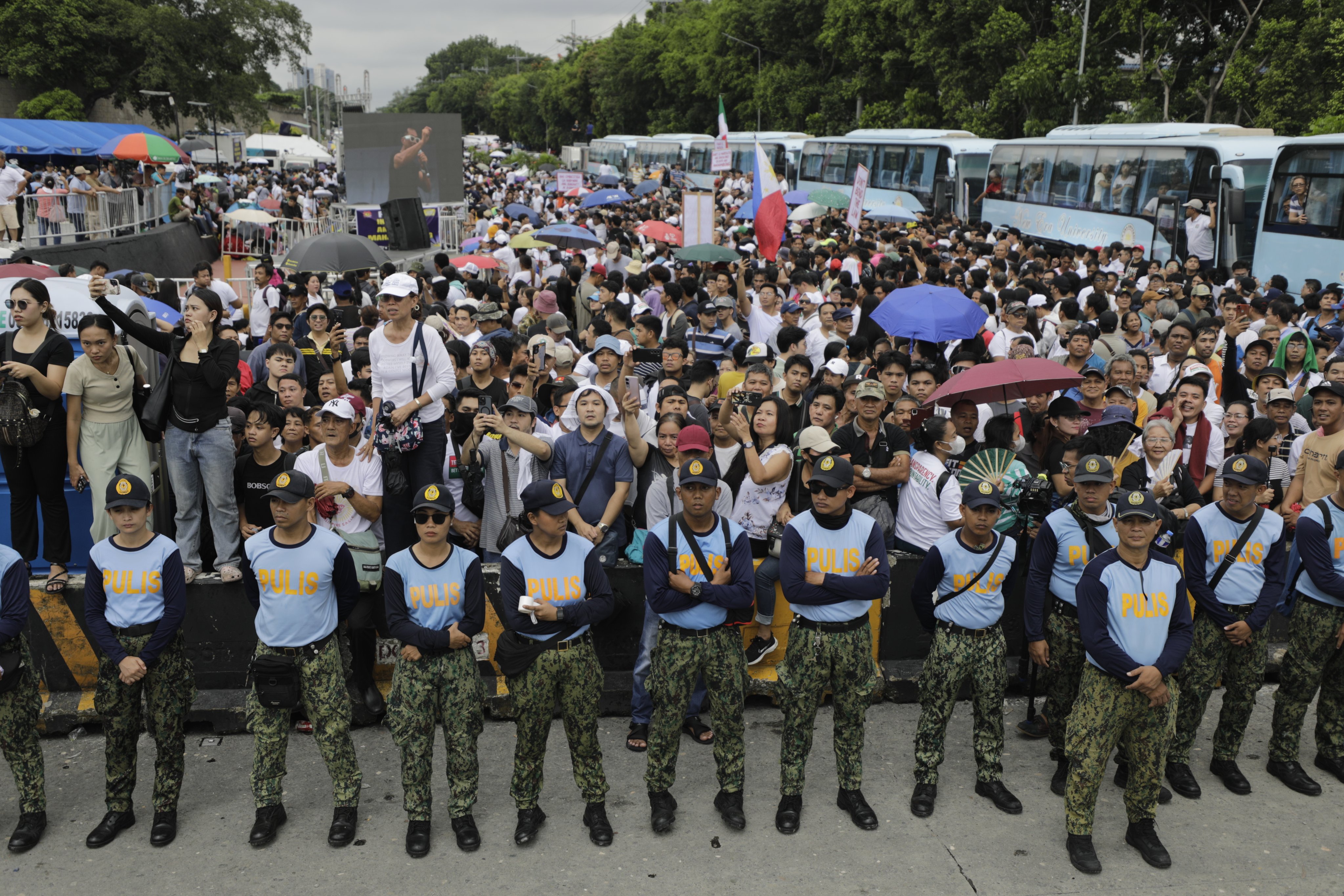
A proposed 4,000-acre industrial zone in Luzon is drawing opposition from more than 80 organizations, who urged the US Congress to halt the project as thousands of Filipinos protested President Donald Trump’s visit to Manila. The groups cite potential harms to communities, resources and regional security.

More Than 80 Groups Challenge US-Backed Pax Silica Hub in Luzon

The proposed hub, which would include semiconductor facilities, is part of Pax Silica, a US initiative launched last year to counter China’s influence over minerals used in artificial intelligence. In a Tuesday letter obtained by Common Dreams, human rights, anti-war, faith and community groups said the plan raised concerns about labor and human rights, environmental safeguards and the lack of consultation with affected Filipinos. Signatories include the American Friends Service Committee, the United Church of Christ, Just Foreign Policy and Malaya Movement USA.

Protests took place in Manila and elsewhere ahead of Trump’s arrival for the 49th Association of Southeast Asian Nations (ASEAN) summit. The Diplomat reported that around a dozen demonstrators were arrested after clashing with police while trying to march toward the Philippine International Convention Center on Sunday; another 276 were arrested in nearby Muntinlupa as they tried to join protests. In Ilocos Norte, demonstrators carried banners saying “Trump Out! Reject Pax Silica!” A Manila protest featured the slogan “Get off our lands, we are not for sale.”

The Philippines joined Pax Silica in April, but the framework agreement for the hub has not been signed. Ambassador Jose Manuel Romualdez said Tuesday that Washington and Manila still needed to negotiate key terms and would not discuss the agreement during Trump’s summit meetings. President Ferdinand Marcos Jr. has promoted the project as a source of tens of billions of dollars in foreign investment and hundreds of thousands of jobs. Activists say he has not substantiated those projections.

The New York Times reported that the project could consume up to 90 million liters of water a day—three times the area’s dry-season supply—and as much electricity as one-fifth of the Philippines’ 2024 consumption. Human Rights Watch warned that it could displace hundreds of Indigenous people and farmers. The groups also argue that demand for power and water could worsen existing shortages and raise living costs, while foreign firms may capture more benefits than Filipino companies.

The letter questions the project’s value to US consumers and says official statements do not mention US job creation. It also warns that the hub could expand AI data centers and intensify US-China tensions. The Philippines hosts at least nine military sites accessible to the US, and the US Army fired a Tomahawk cruise missile from the country for the first time earlier this year. In August, 54 House Democrats separately warned Cabinet secretaries about risks from poorly regulated mining and minerals processing. Filipino coalition Bayan has called on the Marcos administration to disclose the deal’s terms and financing, which have not been made public.

Comments (0)

Leave a comment

No comments yet. Be the first!