Smaller Tankers Carry More Hormuz Crude as Risks Mount
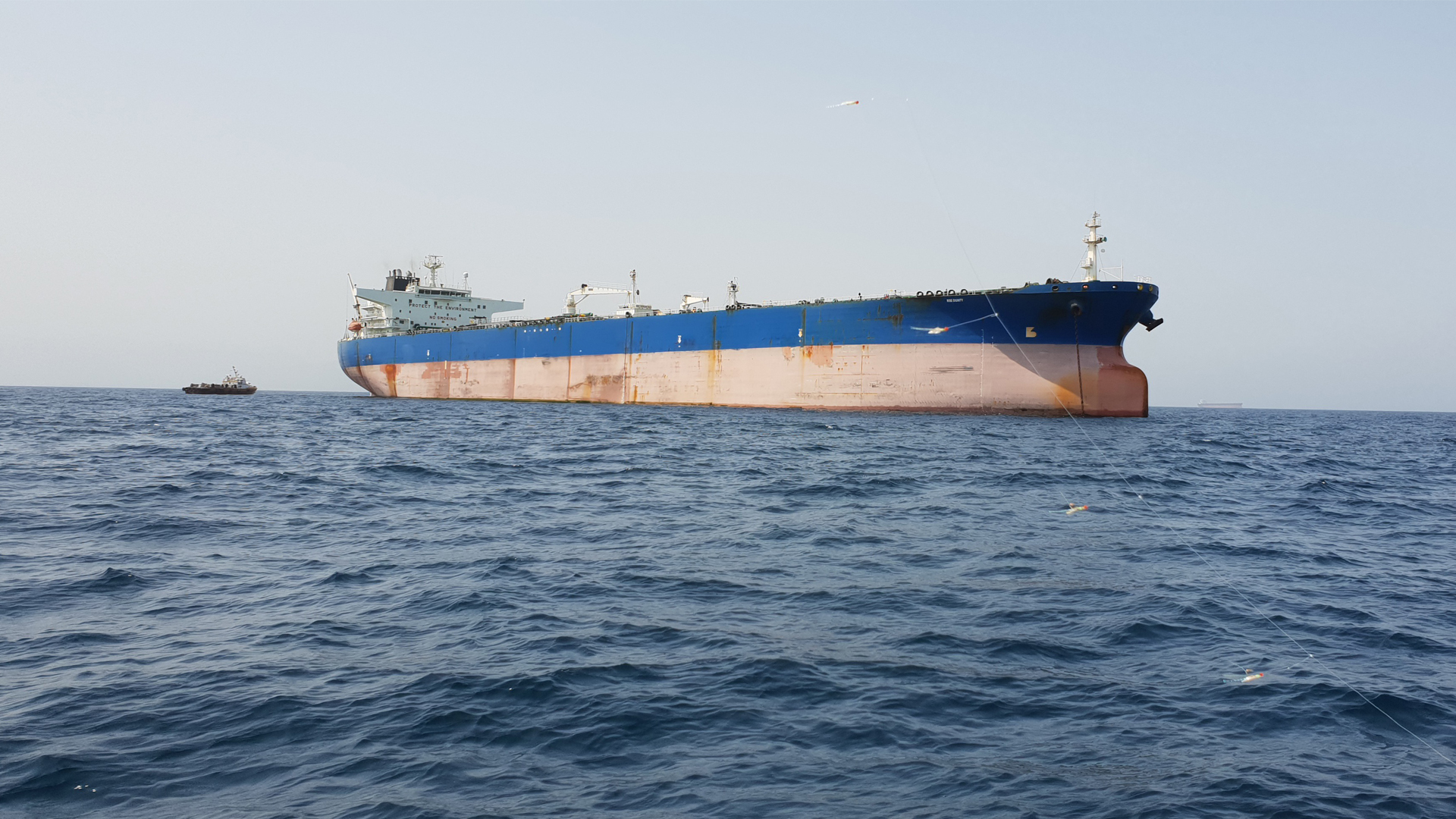
Smaller tankers carried 2 million barrels of crude a day out of the Strait of Hormuz in October, the highest daily volume since the war began in February, according to Vortexa data cited by Bloomberg. Their increased use comes as attacks on large oil carriers and other maritime incidents rise.
Suezmax and Aframax shipments began picking up materially in September, mostly through ship-to-ship transfers in the Gulf of Oman. That coincided with estimates that overall crude flows through the strait had rebounded to nearly pre-war levels. The smaller vessels can carry less than half the volume of a supertanker.
Gulf producers and oil buyers have adjusted to shifting security and shipping conditions. Supertanker rates reached record highs in September and early October, while attacks on very large crude carriers (VLCCs) rose to a wartime high. Traders, shippers, sellers and buyers have consequently relied more on smaller vessels to move crude from the Persian Gulf. Traders and shipbrokers told Bloomberg that Suezmaxes and Aframaxes have mainly carried cargoes from Kuwait, Iraq and Qatar.
Attacks and other incidents involving tankers in the strait have intensified in recent weeks. Iran has reported near-daily cases of tankers striking naval mines in corridors it designates as “unauthorized.” Incidents involving naval mines and unknown projectiles have also reached a wartime high.
Iran’s Parliament Speaker and top negotiator, Mohammad Bagher Ghalibaf, said in an interview with Al Jazeera last week that navigation through the Strait of Hormuz would never return to pre-war conditions. “There are no ‘free waters’ [international waters] there, and the 1982 [UN Convention on the Law of the Sea] does not apply to the strait … The regulations within the Strait of Hormuz are governed by the laws of the two littoral states that border it,” he said.



Comments (0)
No comments yet. Be the first!