Home→Europe→Estonia to close Russian land crossings after alleged sabota…
Europe

Estonia to close Russian land crossings after alleged sabotage plot

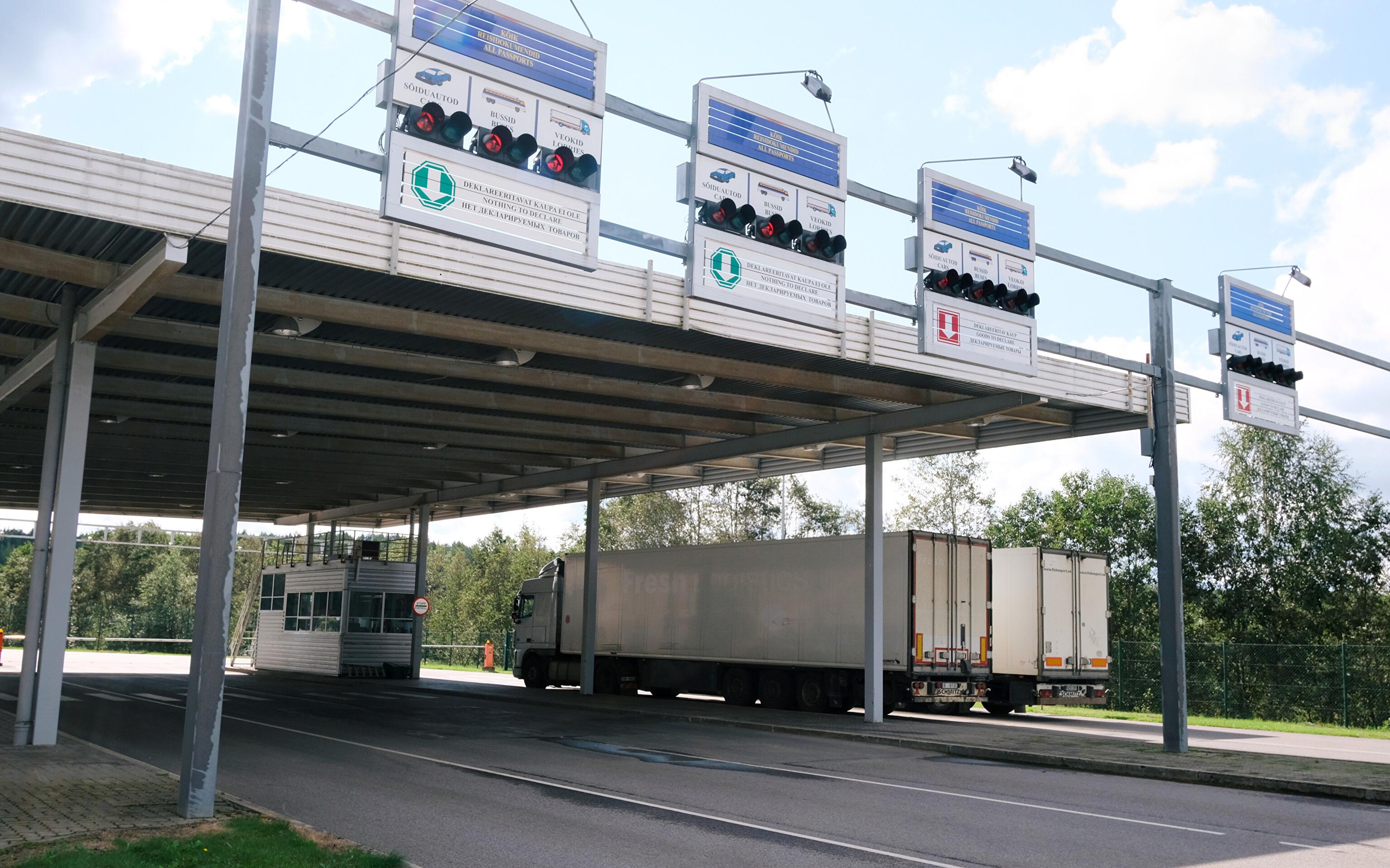
Estonia will close all land border crossings with Russia from 1 December, a step its government says responds to continuing sabotage and hybrid operations targeting the country and Europe. The decision followed an attempted arson attack on a drone manufacturer near Tallinn, which Estonian authorities have attributed to Russia’s military intelligence agency.

Estonia to close Russian land crossings after alleged sabotage plot

The closure was announced earlier this month after an attempted attack on 14 November at Threod Systems, a drone manufacturer in Viimsi, north of Tallinn. Prime Minister Kristen Michal called the break-in part of what he described as Russia’s “wider hybrid war against Europe.” Estonia’s security service says the GRU ordered the operation; Moscow has called the accusation “unsubstantiated” and accused Estonia of “building a wall” between the neighbours.

Several people smashed windows at the company’s premises early Saturday and poured flammable liquids inside, but a security guard saw them and called police. Latvian security service agents had received advance information about the planned sabotage and passed it to Estonia’s internal security service, KAPO, Estonian media reported. Police detained all eight suspects that night; all are Latvian nationals. Five were remanded in custody.

Estonian internal security service chief Margo Palloson said the GRU coordinated the operation. He said no one was injured, the company sustained no damage and its production and supply capacity was unaffected. Had the attackers’ plan succeeded, he said, it “would have caused the company very serious damage.” Estonia has attributed a second attempted attack on a domestic defence company to Russia within several months.

Estonian security expert Henrik Praks, of the International Centre for Defence and Security in Tallinn, told Euobserver that Estonia aims to disclose hostile activity and publicly attribute attacks to Russia when there is sufficient evidence. He said the approach reflects a belief that decisive action and public exposure can deter further attacks, while Russia may interpret restraint as weakness.

Foreign Affairs Minister Margus Tsahkna said the border closure was not a response to one incident, but to Russia’s “continued aggression, sabotage and hybrid operations.” Michal said it would reduce the risk of further attacks and send a “clear signal” that attacks on Estonia’s defence industry and capabilities were unacceptable. Tsahkna said Estonia was protecting its own security as well as that of the EU and Schengen area.

Comments (0)

Leave a comment

No comments yet. Be the first!