
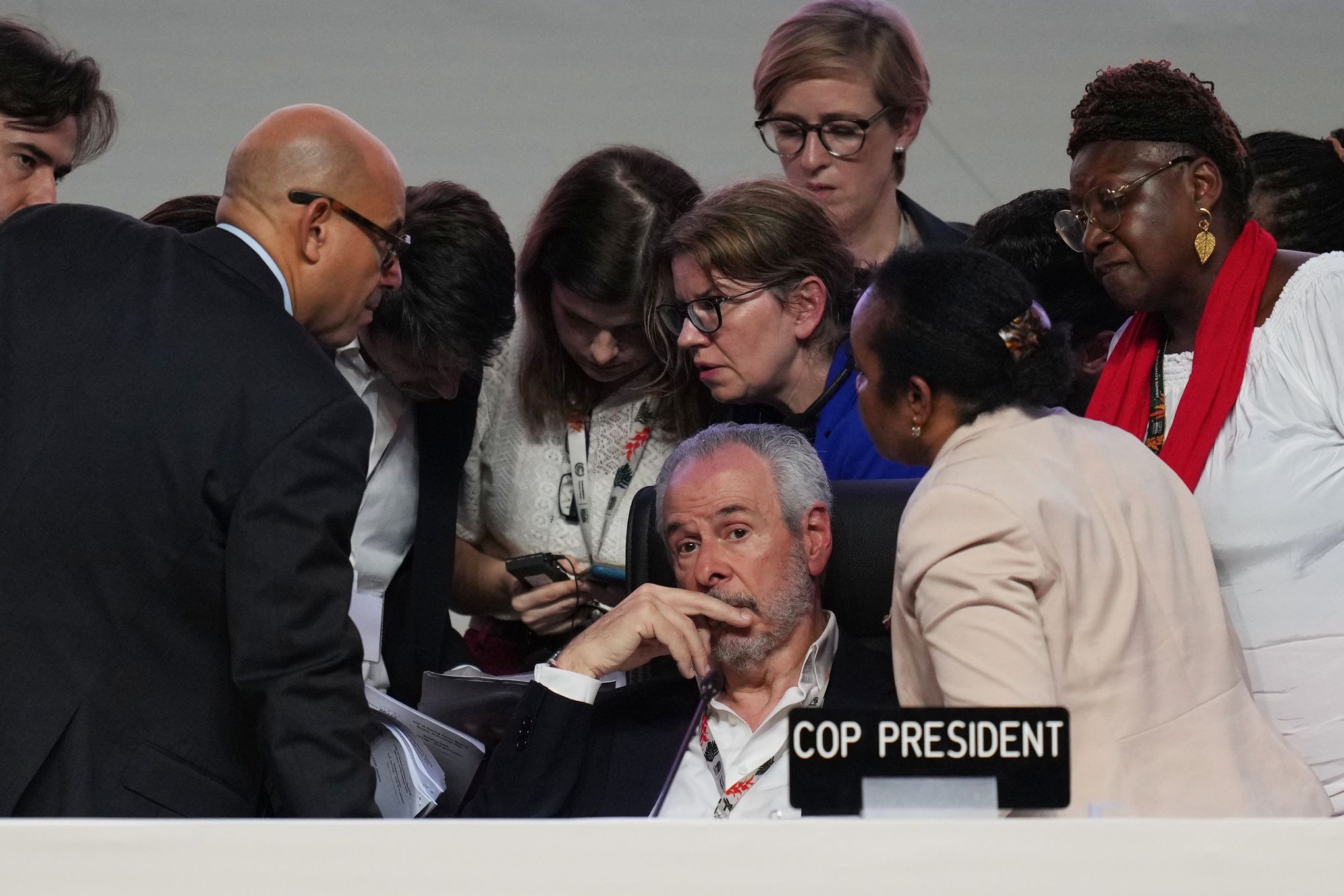
The negotiations were strained before the conference began. Wealthy Western countries have pledged billions in grants and loans to help developing nations in Asia, South America and Africa finance energy transitions, but progress has fallen short of expectations. Governments are also facing tighter budgets amid two wars and rising costs for energy support.
The European Union, described in the source as the world’s most generous climate finance donor and lender, has faced pressure from high fuel and gas prices and limited refining capacity. EU climate commissioner Wopke Hoekstra said in late October that new EU funding for emissions-reduction projects at COP31 was “dead in the water,” citing two consecutive years without global progress on emissions cuts. A Bloomberg report cited concerns in the EU that other wealthy countries and regions were not contributing as much as they could.
On the conference’s final day, negotiators worked overtime on a proposed deal covering fossil fuels and new financial commitments. Countries disagreed over naming oil and gas as drivers of climate change, committing more money to transition technologies and supporting carbon capture. Opponents of carbon capture said it was expensive, unproven at scale and could encourage further oil and gas production.




Comments (0)
No comments yet. Be the first!