
Gabriel Zucman, a professor at the Paris School of Economics, argues that the current concentration of capital exceeds that of the Gilded Age. According to Zucman, the top 0.00001% now possess enough wealth to command 14% of the annual US economic output. He contends that this level of disparity is inherently incompatible with democratic ideals, regardless of an individual's personal virtues. To address this, Zucman advocates for an unavoidable minimum wealth tax to ensure basic equality before the law.
The Trillionaire Threshold: Economists Warn of a Threat to Democracy
As Elon Musk becomes the world's first trillionaire, a growing chorus of economists is raising alarms about the dangers of extreme wealth concentration. Experts warn that such unprecedented fortunes grant individuals the power to distort markets, influence elections, and undermine the foundations of democratic governance in the United States and globally.
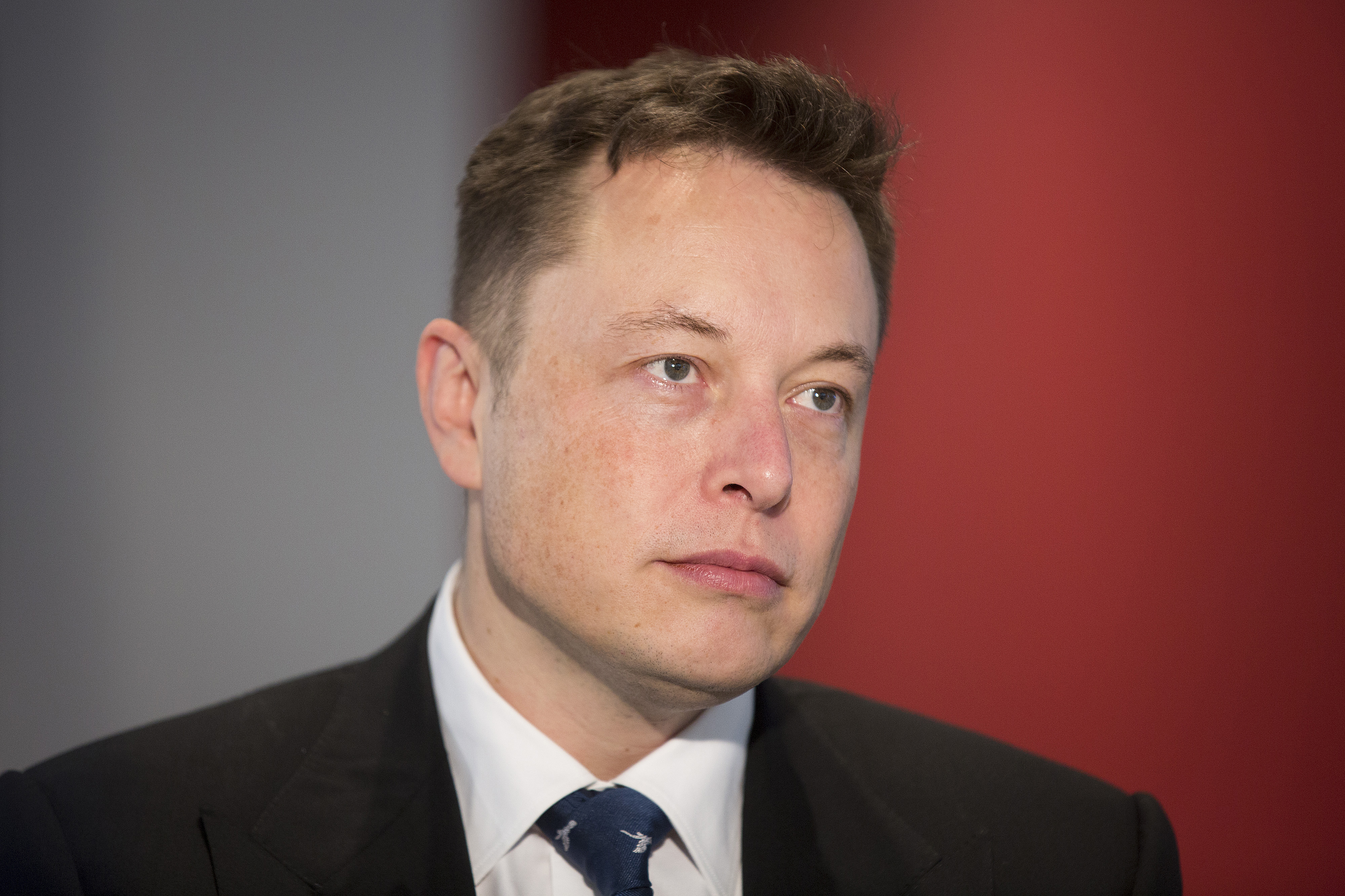
Prominent voices like Nobel laureate Paul Krugman and Yale School of Management professor Gautam Mukunda draw parallels between modern American billionaires and the fall of the Roman Republic. Krugman notes that extreme inequality was a decisive factor in Rome's transition to one-man rule, as the wealth of a few elite men eventually rendered constitutional government obsolete. Mukunda cites the example of Marcus Crassus, whose private fortune allowed him to bankroll political alliances that sidelined the Roman Senate. Both scholars warn that when private wealth reaches a scale that dwarfs the capacity of candidates and public institutions, the republic risks being effectively overthrown from within.




Comments (0)
No comments yet. Be the first!