
The vessels, a Suezmax and a Very Large Crude Carrier, were originally bound for Gabon and South Africa, respectively. Their redirection to the UAE port, located just outside the strategic chokepoint, highlights the market's sensitivity to shifting geopolitical winds. While news of a potential peace deal triggered a brief volatility in oil prices, the industry remains guarded.
Tanker Operators Pivot Toward UAE Amid Hormuz De-escalation Hopes
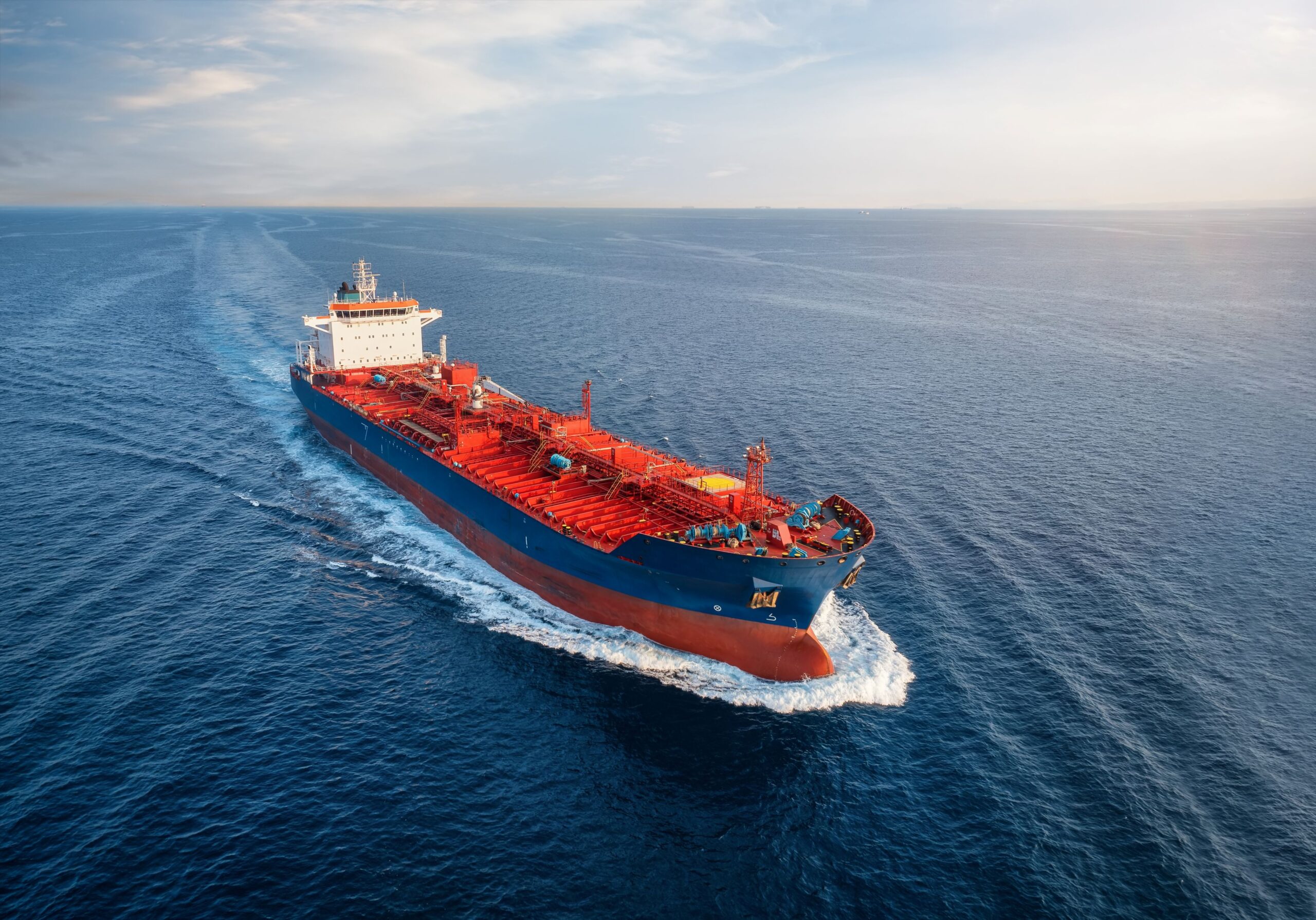
Two major oil tankers have abruptly reversed course, abandoning routes to Africa in favor of the UAE’s Fujairah port. This tactical shift, captured by recent ship-tracking data, signals a growing industry bet on the potential normalization of transit through the Strait of Hormuz following tentative U.S.-Iran diplomatic progress.
Jotaro Tamura, CEO of Mitsui OSK Lines, cautioned that operators require concrete safety guarantees before returning to the route. He estimates a transition period of several weeks, emphasizing that a diplomatic handshake must manifest as tangible security on the water. Conversely, Frontline CEO Lars Barstad maintains a more bullish outlook, predicting a rapid rebound in traffic the moment hostilities subside. Despite these differing timelines, the sudden movement of these tankers suggests that key players are positioning themselves to capitalize on the first signs of stability in the region.



Comments (0)
No comments yet. Be the first!