
The five-year Mobile Phone Manufacturing Scheme offers incentives between 2.25% and 5% on eligible sales, with a 1.5% bonus for sourcing components domestically. This marks a strategic pivot from simple assembly toward deepening local R&D and value capture. By incentivizing product design, the government hopes to revive homegrown brands like Micromax and Lava, which previously lost significant market share to aggressive Chinese competitors such as Xiaomi, Oppo, and Vivo.
India Launches $20 Billion Push to Displace China in Electronics
With 63% of the world’s smartphones still rolling off Chinese assembly lines, New Delhi is deploying a massive financial offensive. The government unveiled a $6.5 billion incentive program for mobile manufacturing alongside a $13.3 billion expansion of its semiconductor strategy, aiming to lure global supply chains away from Beijing.
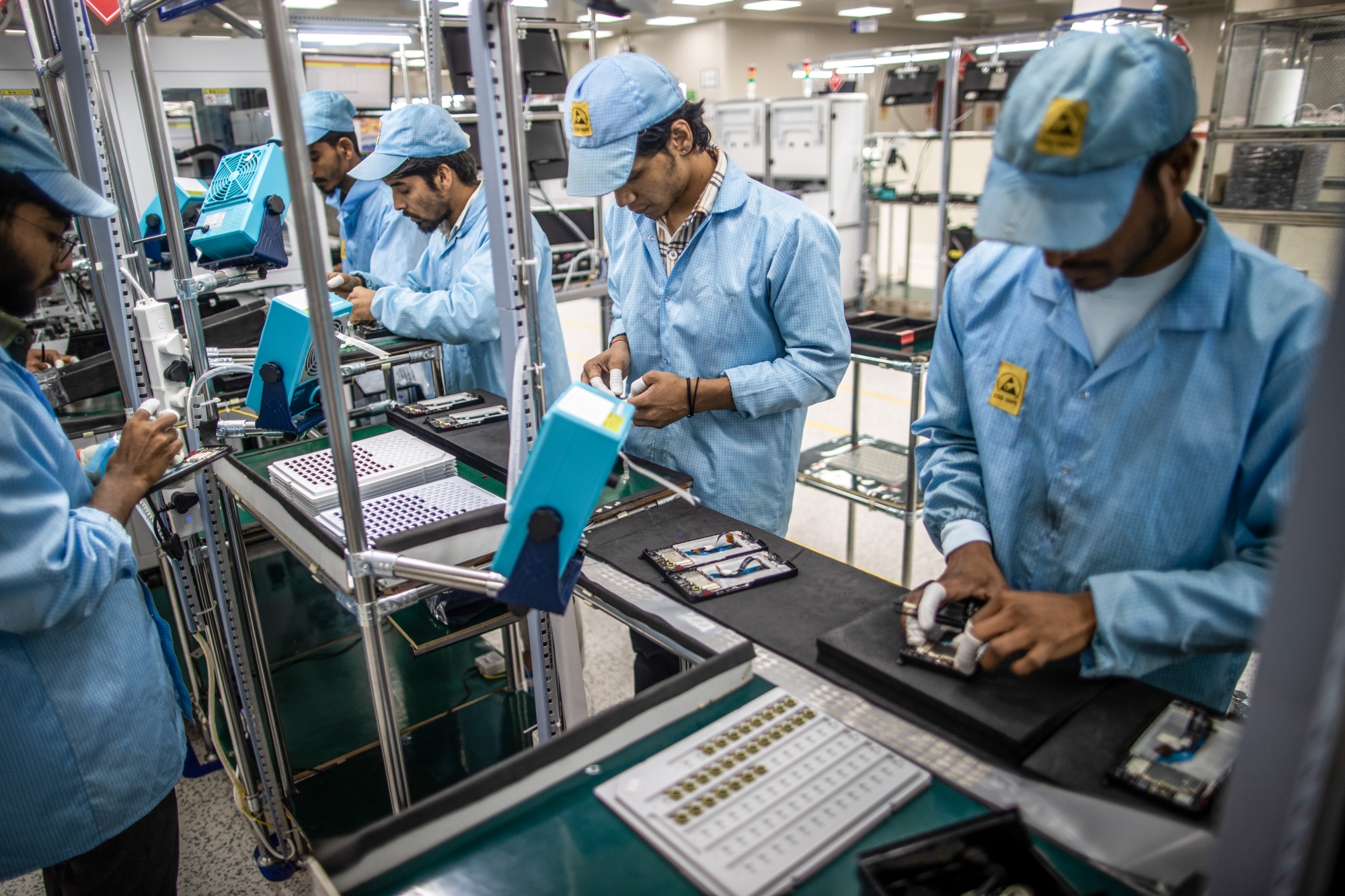
Apple remains a central beneficiary of this industrial pivot. Since beginning local iPhone assembly in 2017, the company has ramped up production through partners like Foxconn and the Tata Group, with roughly 25% of its devices now manufactured in India. By simultaneously slashing import duties on electronics components, New Delhi is lowering production costs, encouraging companies to source materials locally rather than relying on expensive imports. While India currently holds an 18% share of global smartphone production, industry experts suggest these measures could help move that figure toward 40%. The ultimate test, however, lies in building the complex supplier ecosystem and engineering expertise that have long sustained China’s manufacturing supremacy.



Comments (0)
No comments yet. Be the first!