
The current energy landscape faces a dual crisis: a surge in demand from data centers and the urgent transition toward intermittent renewable sources like wind and solar. According to the U.S. Department of Energy, existing infrastructure is fundamentally ill-equipped for these 21st-century pressures. The International Energy Agency emphasizes that grid modernization must prioritize new transmission corridors to link distant renewable projects with urban demand centers, shifting the focus from simple capacity expansion to strategic, data-driven site selection.
MIT Mapping Tool Pinpoints Grid Vulnerabilities Before Climate Hits
As extreme weather and record-breaking heat waves push electrical infrastructure to the brink, MIT researchers have introduced a framework to map regional grid vulnerabilities. By integrating climate projections with local power data, the tool aims to preempt energy shortfalls before they manifest into widespread blackouts.
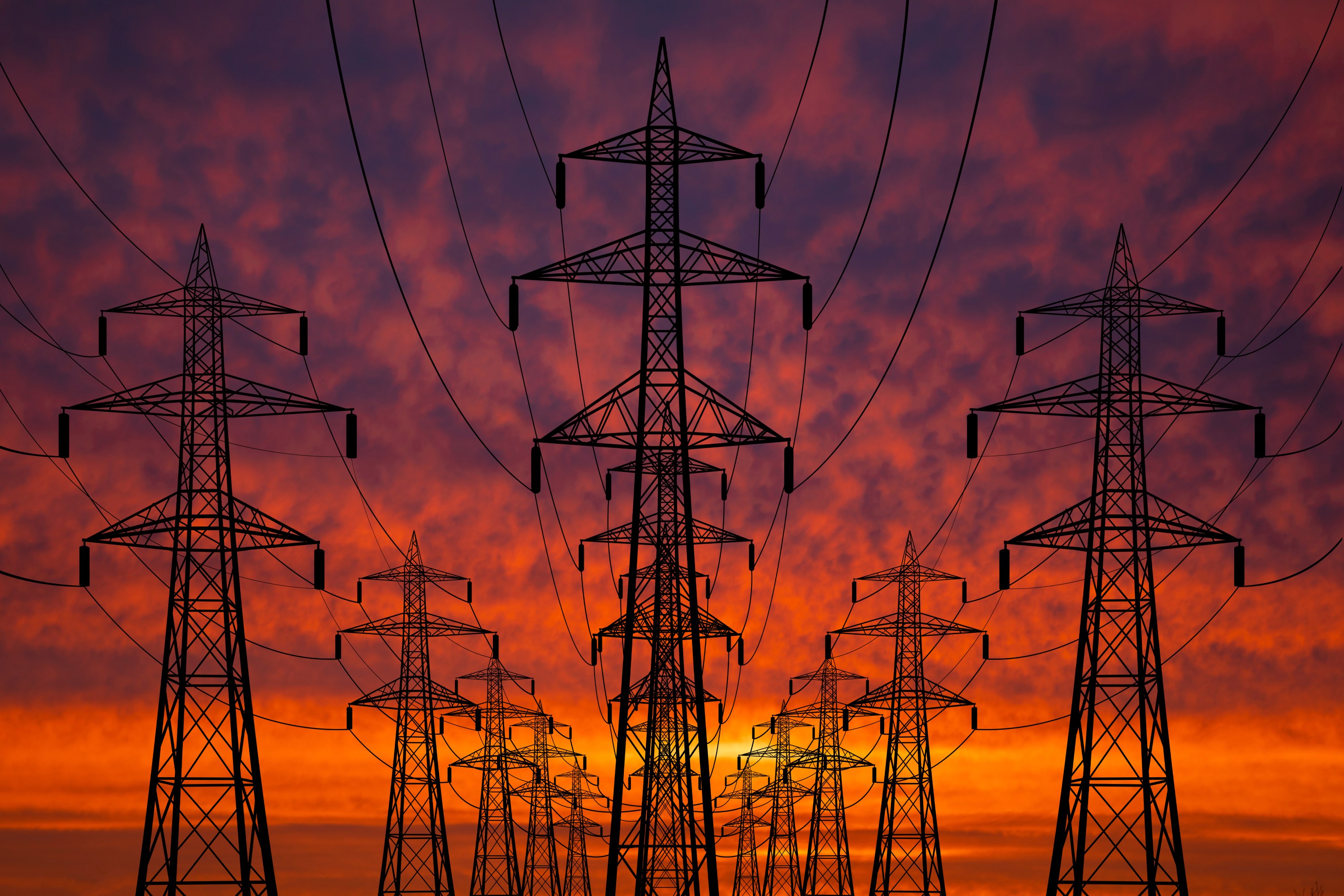
Published in Nature Energy, the MIT framework analyzes the intersection of meteorological patterns and system design. Researchers tested the model using data from New England and Texas, uncovering a stark reality: ignoring regional climate projections could lead to a fivefold increase in energy shortfalls by 2050. However, the study suggests that integrating these climate variables into long-term planning is surprisingly affordable. Michael Howland, an MIT professor and senior author of the study, notes that unlike costly physical adaptations like seawalls, intelligent infrastructure design can bolster resilience with minimal additional expenditure. This predictive approach offers a path to decarbonization that prioritizes energy security without demanding massive capital premiums.



Comments (0)
No comments yet. Be the first!