
The project aims to address the inherent risks of nuclear operations by utilizing AI to monitor reactor signals and trigger automated shutdowns at the first sign of instability. Wang Shoujun, president of the Chinese Nuclear Society, argues that AI integration is inevitable, making proactive safety planning essential. ADANES utilizes a five-layer architecture, incorporating unified data infrastructure, physics-native world models, and intelligent-agent coordination to oversee systems from initial design to long-term maintenance.
China Proposes AI-Driven Safety Framework for Nuclear Energy
At the World Artificial Intelligence Conference in Shanghai, the Chinese Academy of Sciences unveiled the Accelerator-Driven Advanced Nuclear Energy System (ADANES). This framework seeks to integrate artificial intelligence across the entire nuclear lifecycle, proposing a shift in safety logic that proponents claim could prevent catastrophic failures.
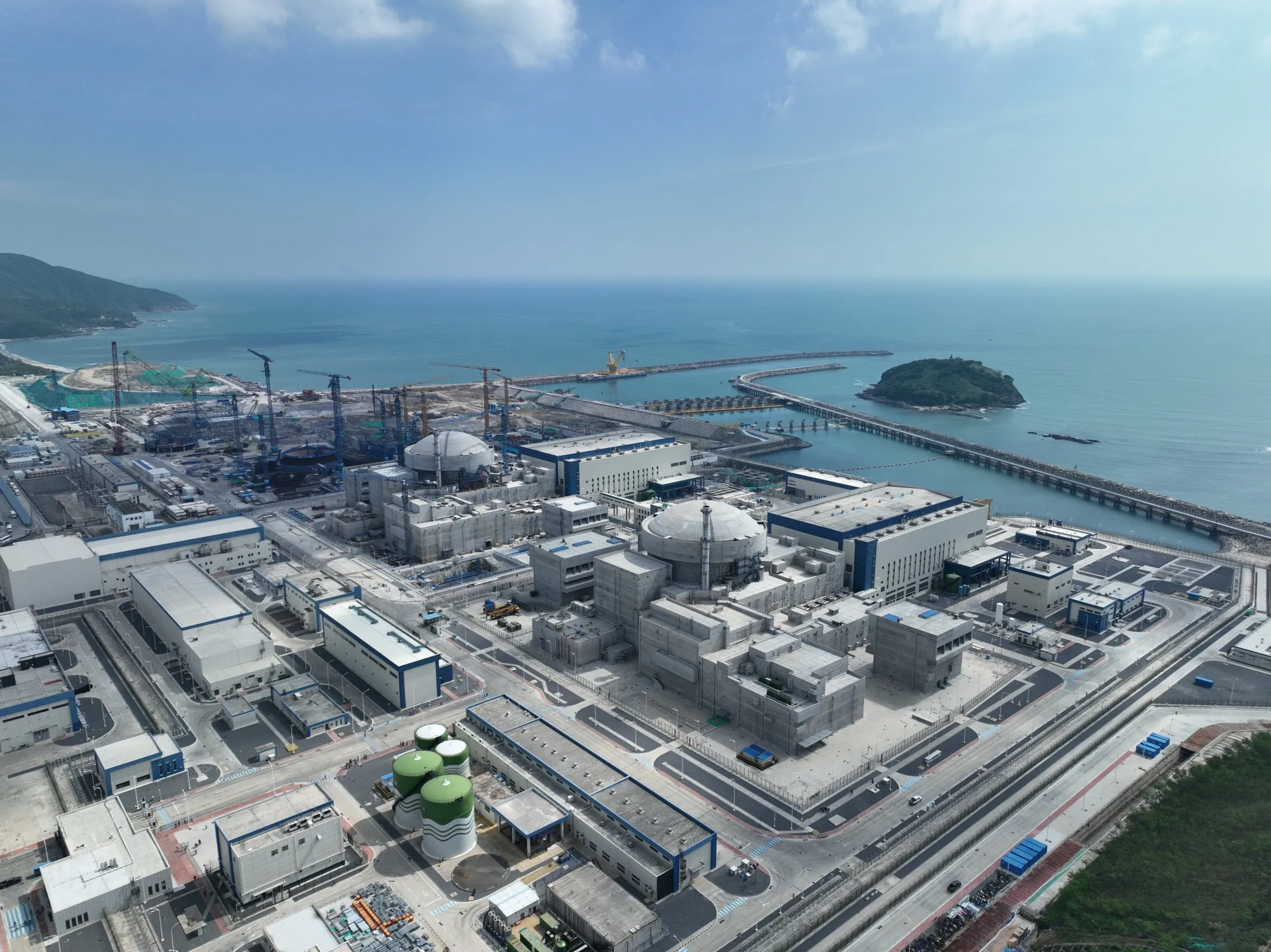
Despite the potential for improved efficiency, the transition faces significant scrutiny due to the opacity of current large language models. The 'black box' nature of these systems often conflicts with the rigorous transparency required for nuclear regulation. To mitigate these concerns, China is constructing a national-scale engineering verification platform to provide empirical validation for the technology. Meanwhile, global interest in AI-nuclear integration is accelerating; firms like Microsoft and NVIDIA are already deploying AI-powered toolkits to streamline the traditionally slow permitting and design processes for new power plants in the United States.




Comments (0)
No comments yet. Be the first!