
This decline coincides with a 9% year-on-year surge in renewable energy output, which now accounts for 41.2% of the country’s total supply. Wind and solar installations are the primary drivers of this expansion, together contributing nearly a quarter of all electricity produced. While state media frames these figures as evidence of an accelerating green transition, the reality remains anchored in traditional power sources.
China’s Power Grid Crosses Coal Dependency Threshold
For the first time on record, coal’s contribution to China’s electricity generation has dipped below 50%. Official data from the National Energy Administration confirms that fossil fuel reliance dropped to 49.7% during the first half of 2026, marking a pivotal, if complex, shift in the nation’s massive energy infrastructure.
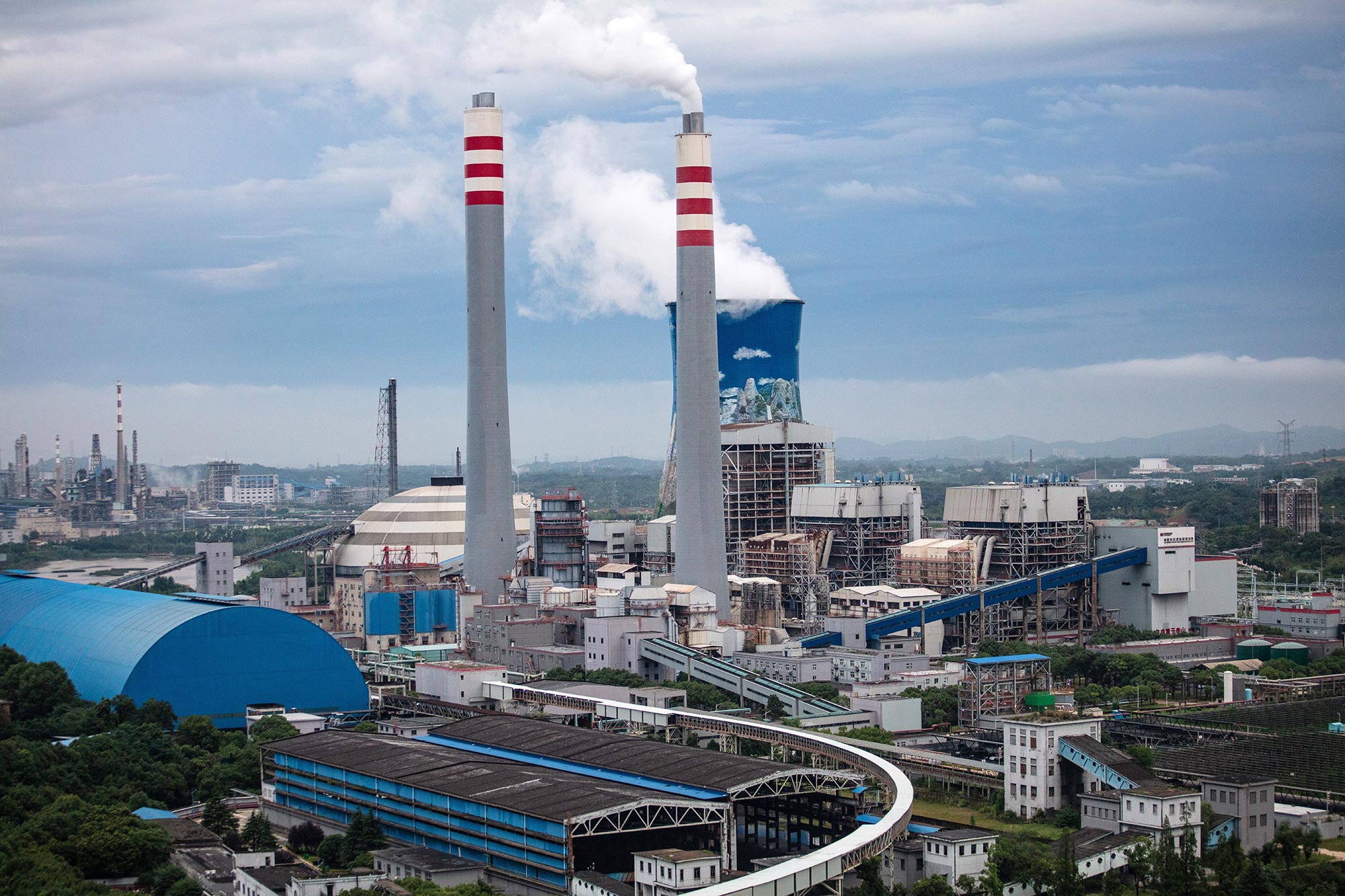
Beijing’s latest five-year energy plan clarifies that coal will not be phased out but rather re-positioned. Authorities explicitly identify coal as the "bottom-line guarantee" for the grid, intended to provide stability when intermittent renewable sources falter. As China targets a 30% clean energy share by 2030, coal is expected to evolve into a flexible backstop, ensuring industrial reliability during peak demand periods like the recent heat waves. Consequently, while the dominance of coal in the energy mix is officially receding, its role as a strategic security buffer remains absolute.




Comments (0)
No comments yet. Be the first!