
This shift toward long-term agreements marks a departure from the memory industry’s volatile boom-and-bust cycles, allowing Samsung to scale production with greater certainty. While the semiconductor unit achieved record sales in Q2, the surge in chip prices has created a difficult internal balance. Higher component costs have squeezed profitability in Samsung's smartphone and TV divisions, forcing the company to pass expenses onto consumers through increased prices for Galaxy devices, which has subsequently dampened demand.
Samsung Warns Memory Chip Shortage May Persist Through 2028
The global memory chip supply crisis is poised to intensify through 2027, with Samsung projecting tight conditions to persist until at least 2028. As the world’s largest memory manufacturer, the firm notes that frontier AI labs are now securing multi-year supply contracts to guarantee access to critical infrastructure.
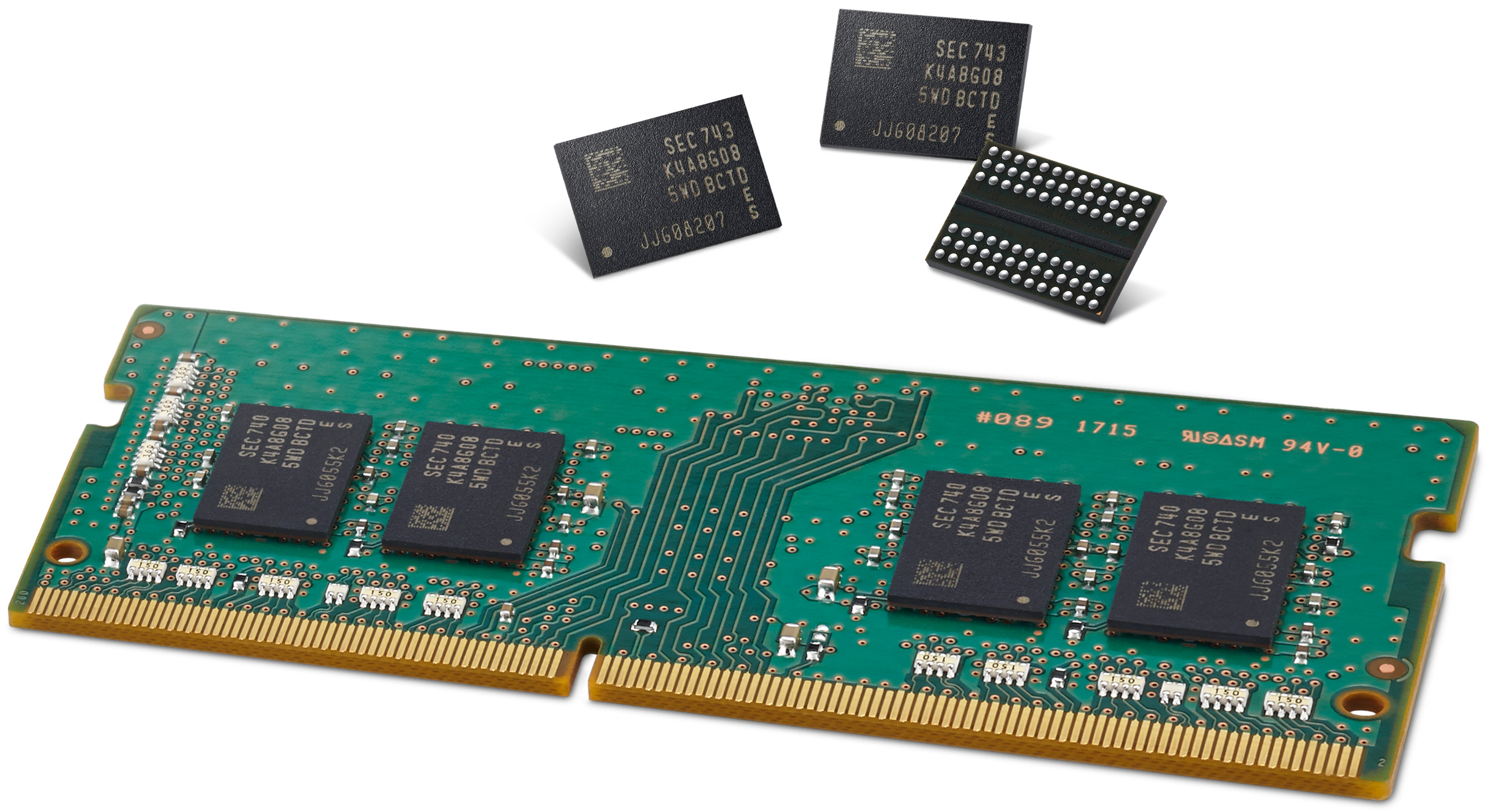
The impact of this shortage, colloquially labeled "RAMaggedon," extends across the hardware landscape. Apple recently raised prices for its Macbook and iPad lineups, with the company projecting a slowdown in quarterly revenue growth to between 9% and 11%. Meanwhile, manufacturers are reallocating capacity from consumer electronics toward AI data centers, leaving the broader tech market to absorb the shortfall. With Nvidia expected to increase consumer graphics card prices by 20% to 30%, the cost of gaming consoles, laptops, and desktop computers is set to climb, signaling a new era of hardware inflation for the average consumer.




Comments (0)
No comments yet. Be the first!