
Data provided by Kpler confirms that transit through the chokepoint continues to falter, with three vessels entering and two exiting the waterway. Among the few to successfully navigate the passage was the Mubaraz LNG carrier, an Emirati vessel bound for India. This marks its third transit since the onset of hostilities between the U.S., Israel, and Iran in late February. While reports from Bloomberg suggest a rare successful passage of a Qatari cargo, the overall atmosphere remains defined by the threat of violence.
Strait of Hormuz Traffic Remains Stagnant Amid Persistent Security Fears
Only five tankers navigated the Strait of Hormuz yesterday, a stark illustration of the ongoing paralysis in one of the world's most critical energy corridors. Despite persistent chatter regarding peace negotiations, shipping volumes remain a mere fraction of their pre-conflict levels, leaving global energy markets in a state of high tension.
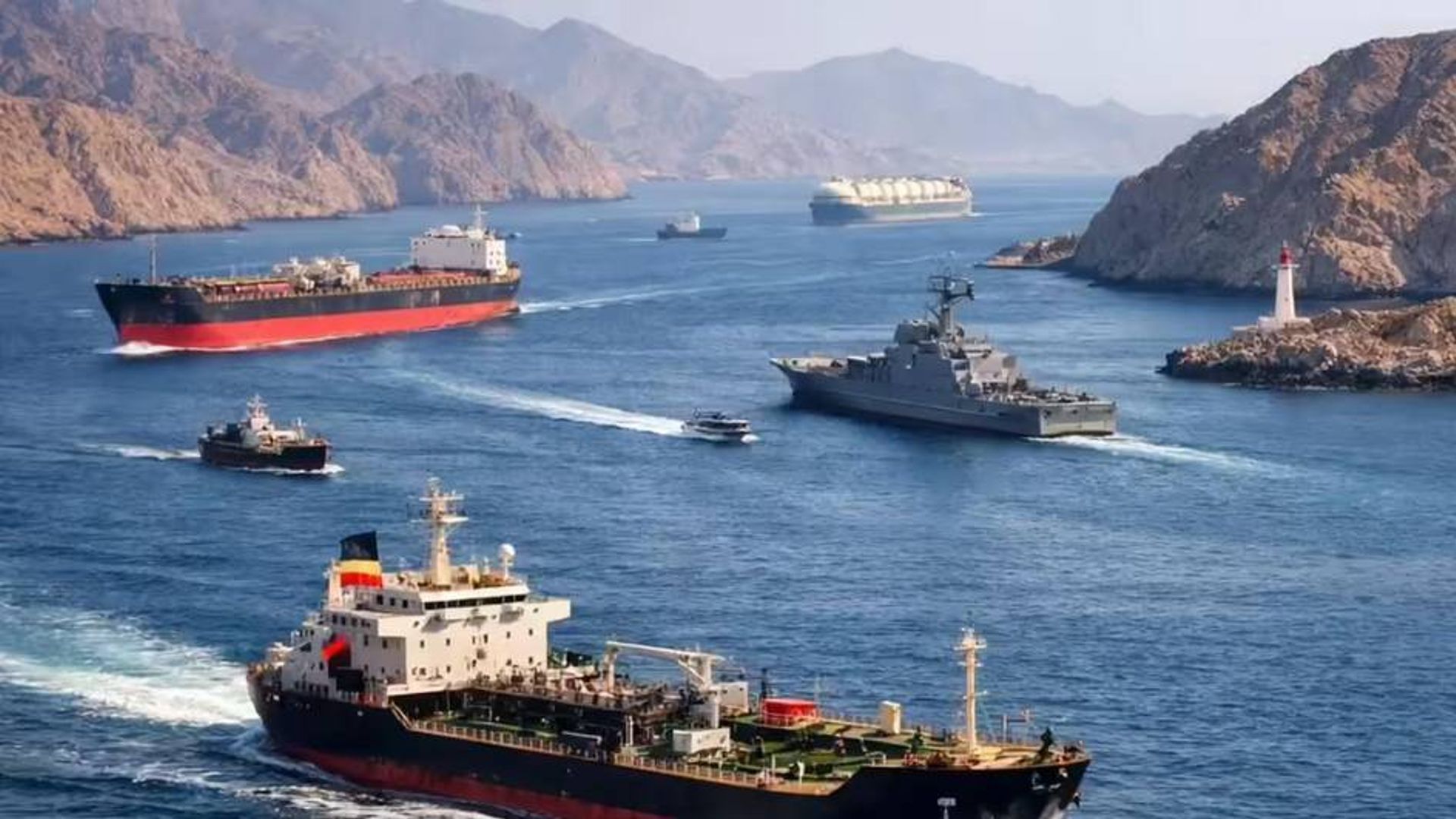
Security concerns are well-founded: three LNG carriers, including two from Qatar and one Greek vessel, have sustained attacks within the waterway over the past month. These incidents have effectively choked the route that once saw an average daily throughput of 130 to 140 ships. In contrast, the Bab el-Mandeb strait recorded 14 energy commodity carriers during the same period, suggesting that maritime traffic is currently favoring alternative, albeit longer, routes. Meanwhile, QatarEnergy has moved to acquire 33 LNG cargoes, signaling an aggressive push to bolster supply chains despite the force majeure still impacting its Ras Laffan hub.



Comments (0)
No comments yet. Be the first!