
The government in Chișinău is currently navigating two distinct yet overlapping tracks. The first involves deep-seated internal reforms, specifically targeting the judiciary to restore public trust. The second requires the technical, painstaking harmonization of national laws with European standards. Minister Gherasimov describes this dual burden as exceptionally complex, noting that the country must accelerate its progress to catch up with candidates like Montenegro and Serbia.
Moldova’s European Integration as a Survival Strategy
For Moldova, European Union accession represents far more than bureaucratic alignment; it is a desperate race to modernize state institutions still tethered to a Soviet past while shielding the nation from Russian influence. Minister Cristina Gherasimov admits the country lags behind other candidates, making the transformation an existential necessity.
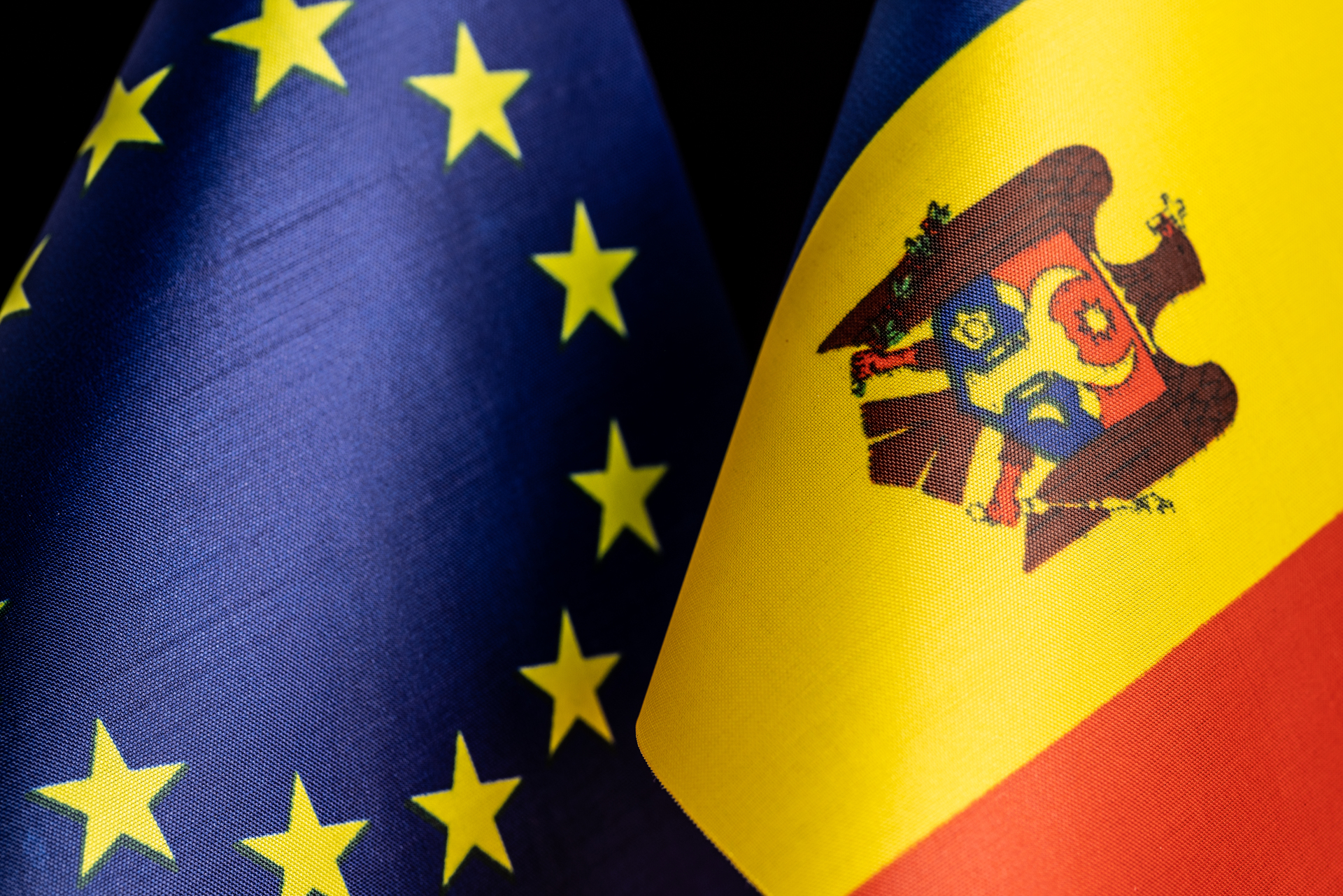
At the heart of this effort is a rigorous vetting process for judges and prosecutors. By purging officials linked to decades of systemic corruption, the administration aims to fundamentally alter the relationship between the state and its citizens. This initiative has triggered intense resistance from entrenched networks benefiting from the status quo. Despite these hurdles, the government maintains that the objective is not merely to satisfy Brussels, but to reduce corruption to a negligible level, effectively insulating the country’s democratic future from external pressure.



Comments (0)
No comments yet. Be the first!