
HomeEnergyThe AI Surge Threatens to Triple Global Data Center Water De
Energy

The AI Surge Threatens to Triple Global Data Center Water Demand

Global data center water consumption could skyrocket to 644 billion liters annually by 2030, a threefold increase from 2025 levels. Driven by the rapid scaling of artificial intelligence infrastructure, this projected surge forces a critical choice between aggressive efficiency mandates and the environmental strain of cooling massive computing clusters.

The AI Surge Threatens to Triple Global Data Center Water Demand

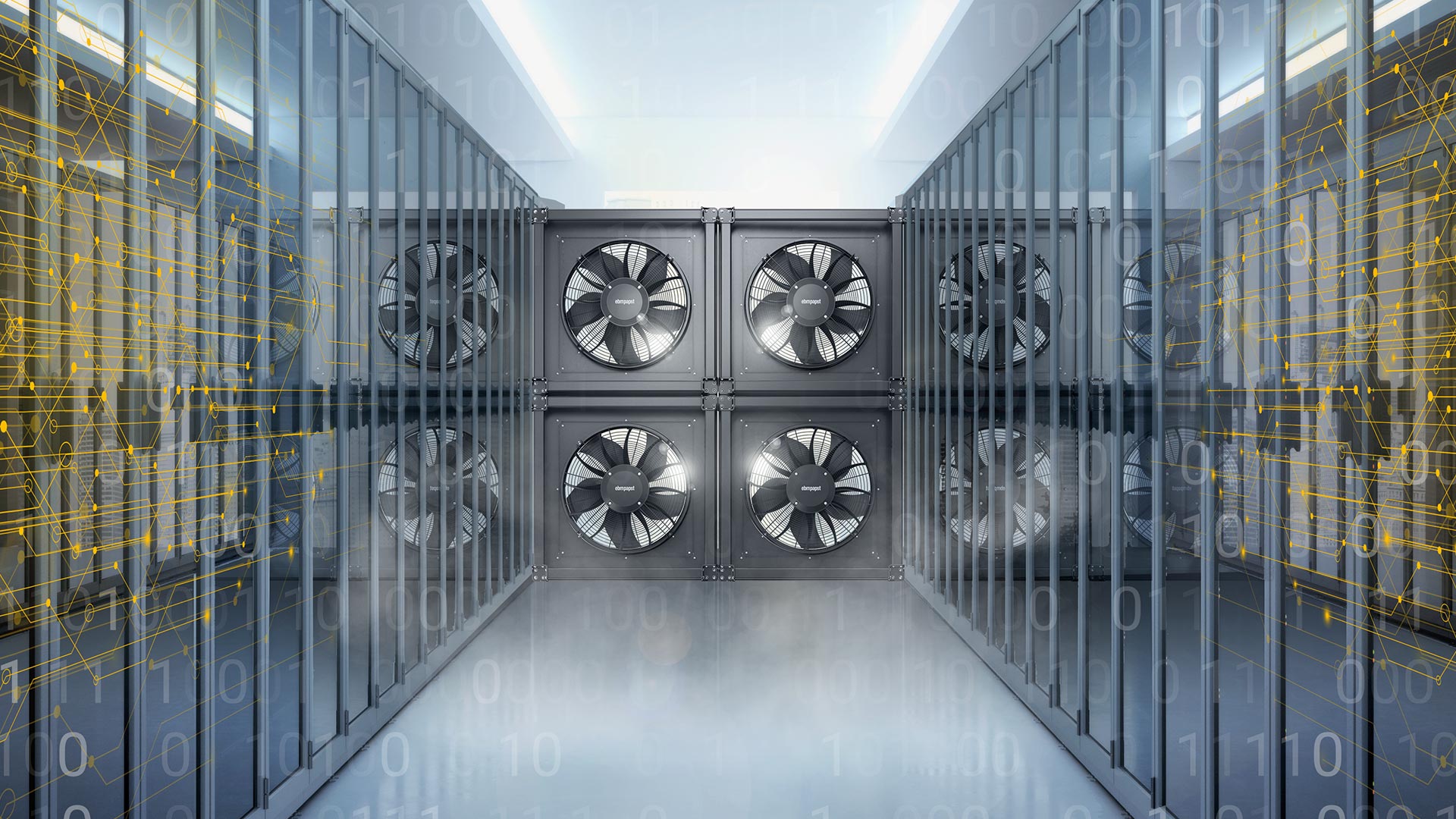
Rystad Energy warns that without significant mitigation, the industry faces a massive resource burden. While active water-saving measures could cap consumption at 388 billion liters, the variability in cooling technologies and regional climate makes a universal solution elusive. Direct cooling currently accounts for 222 billion liters, but the heat generated by AI servers threatens to outpace current efficiency gains. Although liquid cooling and dry cooling technologies offer relief, their effectiveness remains tethered to geography, as colder climates naturally support more efficient heat dissipation.

The Disparity in Efficiency Standards

Operational transparency reveals vast inconsistencies in how companies manage their water footprints. Leading hyperscalers report direct site water-use effectiveness (WUE) figures ranging from 0.12 liters per kWh at Amazon Web Services to 0.91 liters per kWh at Equinix. However, these metrics are difficult to compare directly due to disparate reporting standards and regional portfolio differences. For instance, AWS’s internal reporting shows a 100-fold variation between its Stockholm and Jakarta operations, illustrating how deeply local conditions dictate resource intensity.

Regulatory pressure is beginning to mount, yet it remains largely focused on reporting rather than enforcement. While the European Union prepares efficiency labels and Singapore targets specific consumption caps, many regions lack standardized requirements. With 34% of global data center water consumption projected to occur in areas facing high or extreme water stress by 2030, the shift toward mandatory technology standards may become an inevitable hurdle for operators in regions like Texas or India. While major firms have pledged to become water-positive by 2030, the success of these initiatives depends on site-specific restoration projects rather than a blanket reduction in operational demand.

Comments (0)

Leave a comment

No comments yet. Be the first!