HomeEnergyEurope’s Sanctions Strategy Hits a Wall of Profitable Subsid
Energy

Europe’s Sanctions Strategy Hits a Wall of Profitable Subsidiaries

While the UK and EU have aggressively expanded their Russia sanctions regime, a persistent blind spot remains: European firms continue to operate profitable subsidiaries within the Russian market. Critics argue that until regulators demand greater transparency regarding these economic ties, the strategic objective of total financial disengagement will remain unfulfilled.

Europe’s Sanctions Strategy Hits a Wall of Profitable Subsidiaries

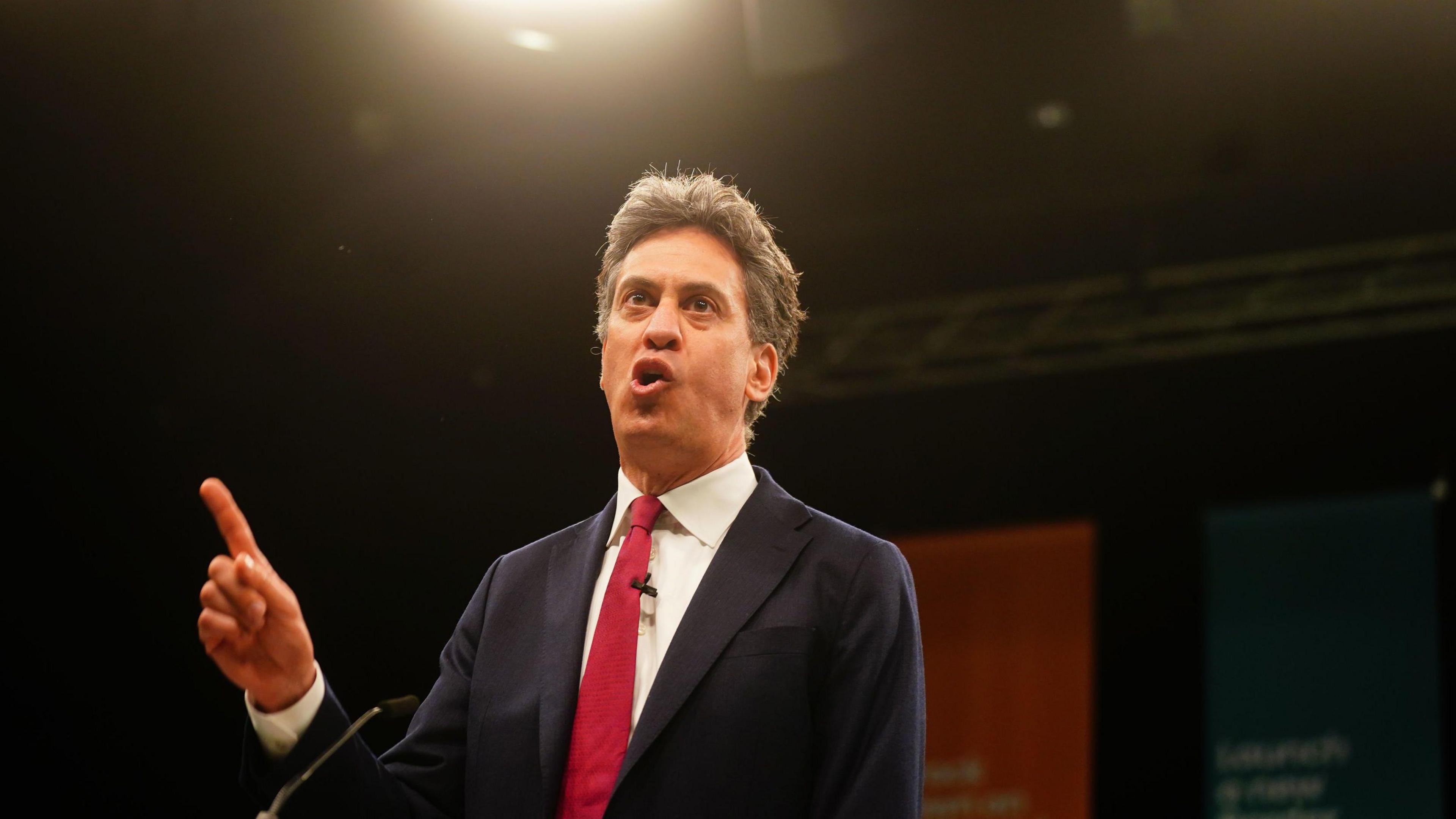
The UK government recently bolstered its sanctions architecture, with Foreign Secretary Ed Miliband targeting six Russian banks and a fleet of shadow tankers. This brings the UK’s total designations to over 3,400 entities since 2022. Simultaneously, the EU has pushed forward with its 21st sanctions package, focusing on crypto platforms and the military-industrial complex. Despite these measures, the practical reality of corporate exposure complicates the bloc's policy goals.

Energy giant TotalEnergies exemplifies the tension between divestment goals and bottom-line stability. While the company has deconsolidated its holdings in the Yamal LNG project, it continues to reap significant dividends from its stakes in Yamal and Novatek. Such arrangements are often legally permissible, yet they highlight the gap between political rhetoric and corporate governance. A similar issue arises with London-based Njord Partners, whose portfolio company RETN continues to operate a Russian subsidiary, JSC RetnNet. While there is no evidence of sanctions breaches, the firm’s commercial relationships with state-linked entities like PJSC Rostelecom demonstrate the complexity of untangling European capital from the Russian economy.

The Regulatory Challenge

For European policymakers, the central issue is no longer just the breadth of sanctions, but the depth of oversight. Investors are frequently insulated by multiple corporate layers, making it difficult for regulators to track the flow of capital or the nature of specific contracts entered into by subsidiaries. As sanctions regimes grow more intricate, the burden shifts to investors to prove that their compliance and counterparty screening systems are robust. If the strategic goal is to isolate the Russian economy, regulators must move beyond broad designations and force a higher standard of transparency for European businesses that remain tethered to the region.

Comments (0)

Leave a comment

No comments yet. Be the first!