
The utility-scale sector dominated this expansion, accounting for 18 gigawatt-hours of the new capacity. Arizona anchored this growth by deploying 6.2 gigawatt-hours, the highest quarterly total for any state on record. Beyond large-scale infrastructure, the commercial and industrial sector contributed 1.8 gigawatt-hours, fueled by the energy needs of expanding data centers, while residential installations added 657 megawatt-hours.
U.S. Grid Storage Capacity Reaches Record High in Q2 2026
The U.S. power grid added 20.2 gigawatt-hours of energy storage in the second quarter of 2026, marking the largest quarterly deployment in industry history. This surge, driven by massive utility-scale projects and rising demand from data centers, brings the total capacity installed during the first half of the year to 30.8 gigawatt-hours.
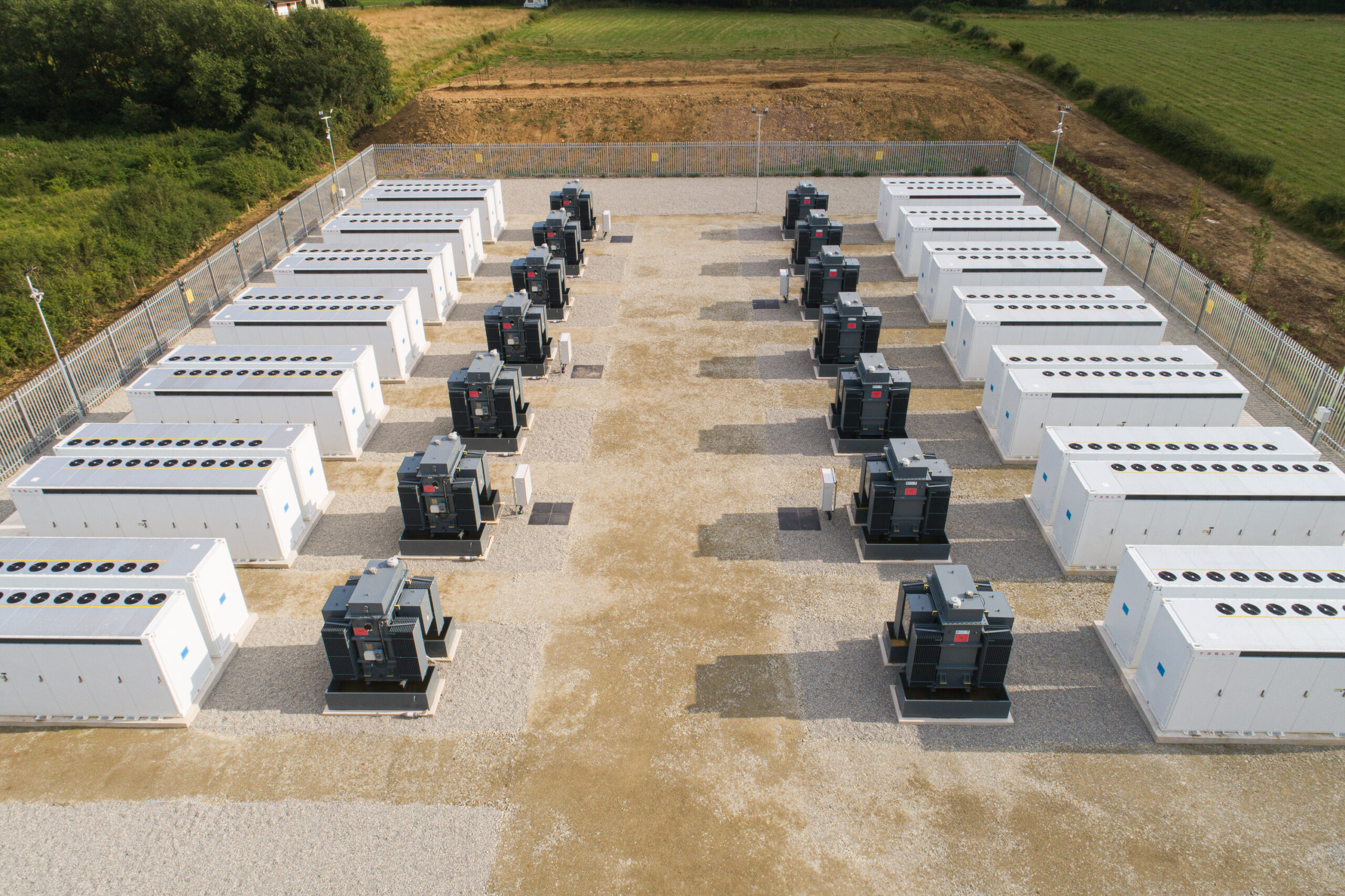
Shan Tomouk, BESS & Energy Lead at Benchmark Minerals, noted that the industry's footprint is shifting beyond traditional hubs like California and Texas. Robust development pipelines are now emerging in Nevada, Oregon, and Colorado. Reflecting this momentum, the Solar Energy Industries Association and Benchmark Mineral Intelligence have increased their 2030 forecast by 11.5%. They now anticipate cumulative capacity reaching 683 gigawatt-hours by the end of the decade, as battery storage systems play an increasingly vital role in maintaining national grid reliability.




Comments (0)
No comments yet. Be the first!