
The suspension, reported by financial outlet Cailianshe, follows years of state-led subsidies that encouraged rapid growth without regard for market saturation. Many manufacturers, particularly those in the solar sector, pivoted to battery storage to mitigate losses caused by a chronic oversupply of solar panels. This shift inadvertently exported the industry's price wars into the energy storage market, forcing authorities to intervene to prevent a broader economic collapse among manufacturers.
China Freezes New Battery Factory Approvals Amid Overcapacity Crisis
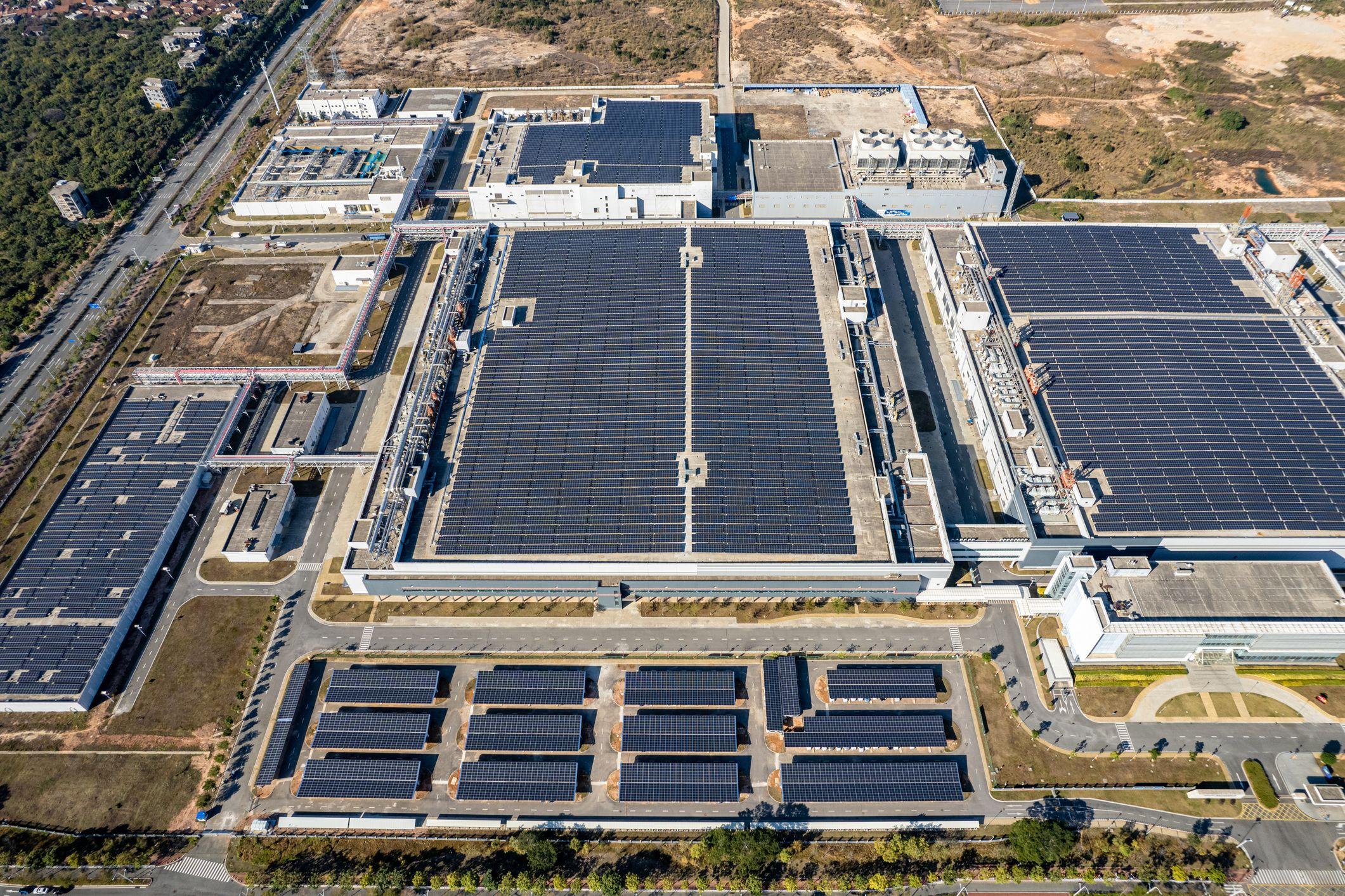
Beijing has halted approvals for new battery storage plants that have yet to break ground, signaling a shift in industrial policy. The move aims to curb runaway expansion in a sector plagued by aggressive competition and the same systemic overcapacity that recently rattled China’s solar and electric vehicle industries.
Regulators are now pairing these administrative freezes with fiscal pressure. Starting September 1, 2026, the government will implement a consumption tax on various battery types, including lithium-ion and vanadium redox flow units, scaling from 2% to 4% by 2027. While traditional technologies face these levies, the state is carving out exemptions for emerging tech—such as sodium-ion and solid-state batteries—through December 2028, effectively using tax policy to force a technological pivot while simultaneously pruning the market of excess production capacity.



Comments (0)
No comments yet. Be the first!