
The core of the legal struggle lies in the distinction between authors and performers. While songwriters and playwrights hold traditional copyright, musicians and actors rely on 'neighbouring rights'—an often overlooked legal safeguard designed to protect their reputation and the integrity of their recorded work. In the current ecosystem, an orchestral musician’s performance can pass through a labyrinth of record labels and distributors, each potentially signing away rights to AI companies for model training without the performer’s direct consent or compensation.
Performing artists face an existential threat from AI training
As artificial intelligence models ingest vast archives of recorded human performance, the legal protections for musicians and actors are buckling under the pressure. Ibán García del Blanco, secretary general of AEPO-ARTIS, warns that without rigorous intervention, the industry risks replacing human creativity with machine-generated mimicry.
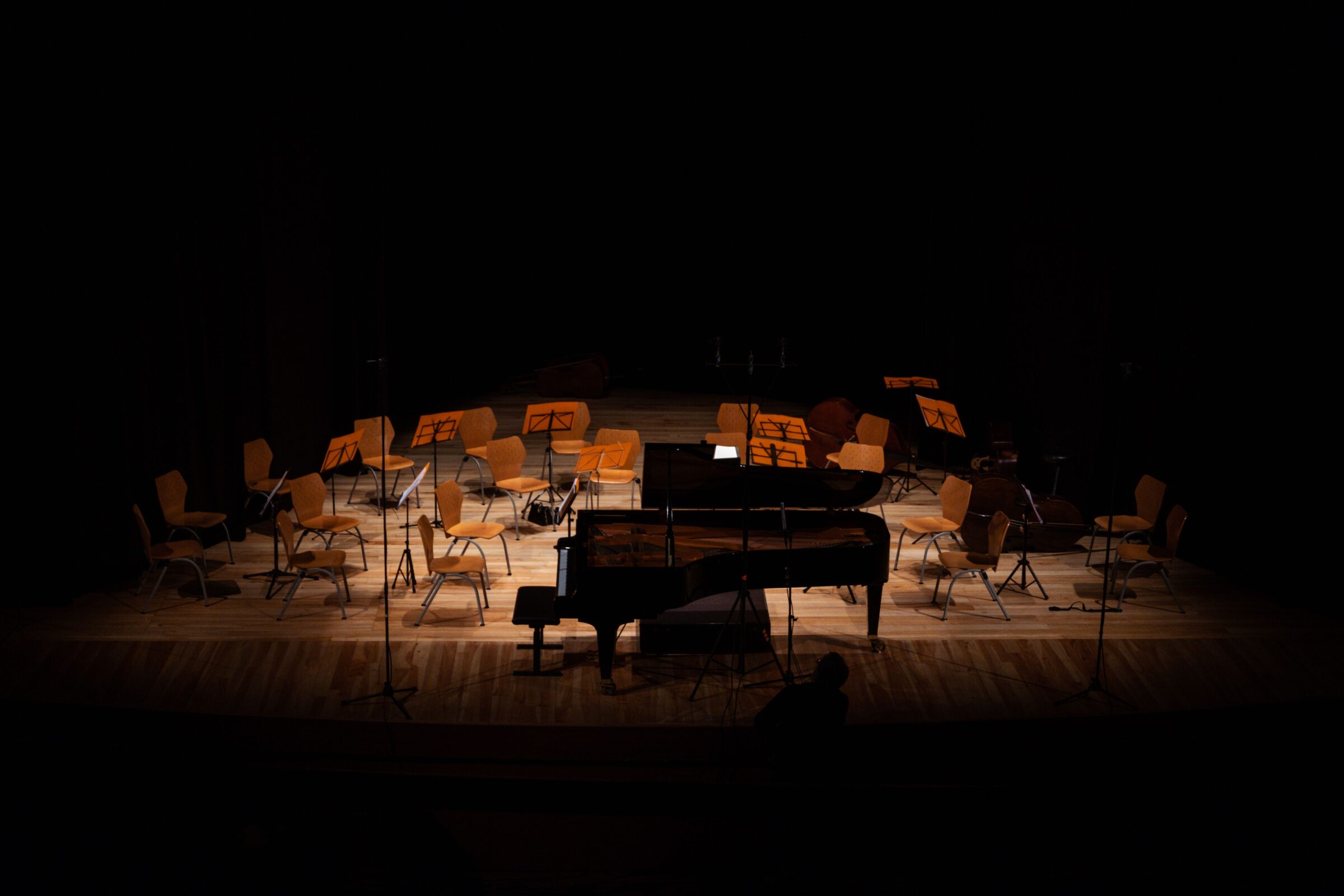
Ibán García del Blanco, a former MEP and expert in cultural policy, highlights that these protections are currently fragmented and insufficient. He argues that the substitution effect of AI poses an immediate danger, noting that the EU's existing regulatory framework fails to account for the specific vulnerabilities of performers compared to authors. As AI evolves from a creative tool into a competitor, the lack of a comprehensive impact assessment leaves the European cultural sector exposed. The central challenge for organizations like AEPO-ARTIS is to ensure that human artistry remains a central pillar of society rather than a training dataset for algorithms that merely imitate rather than create.




Comments (0)
No comments yet. Be the first!