
The Carbon Border Adjustment Mechanism (CBAM) requires importers of steel, aluminum, cement, fertilizers, electricity, and hydrogen to pay for the carbon emissions generated during production. This policy aims to equalize the carbon price for foreign suppliers and European factories. While the mechanism was activated in January, the actual payment phase for importers is scheduled to begin in 2027.
MEPs Vote to Strip EU Carbon Border Levy of Emergency Exemptions
European lawmakers in Strasbourg voted Tuesday to remove a proposed "emergency brake" mechanism from the EU’s carbon border levy. By blocking the Commission’s plan to grant temporary exemptions for specific imported goods, Parliament has signaled a more rigid approach to enforcing carbon costs on foreign producers entering the bloc.
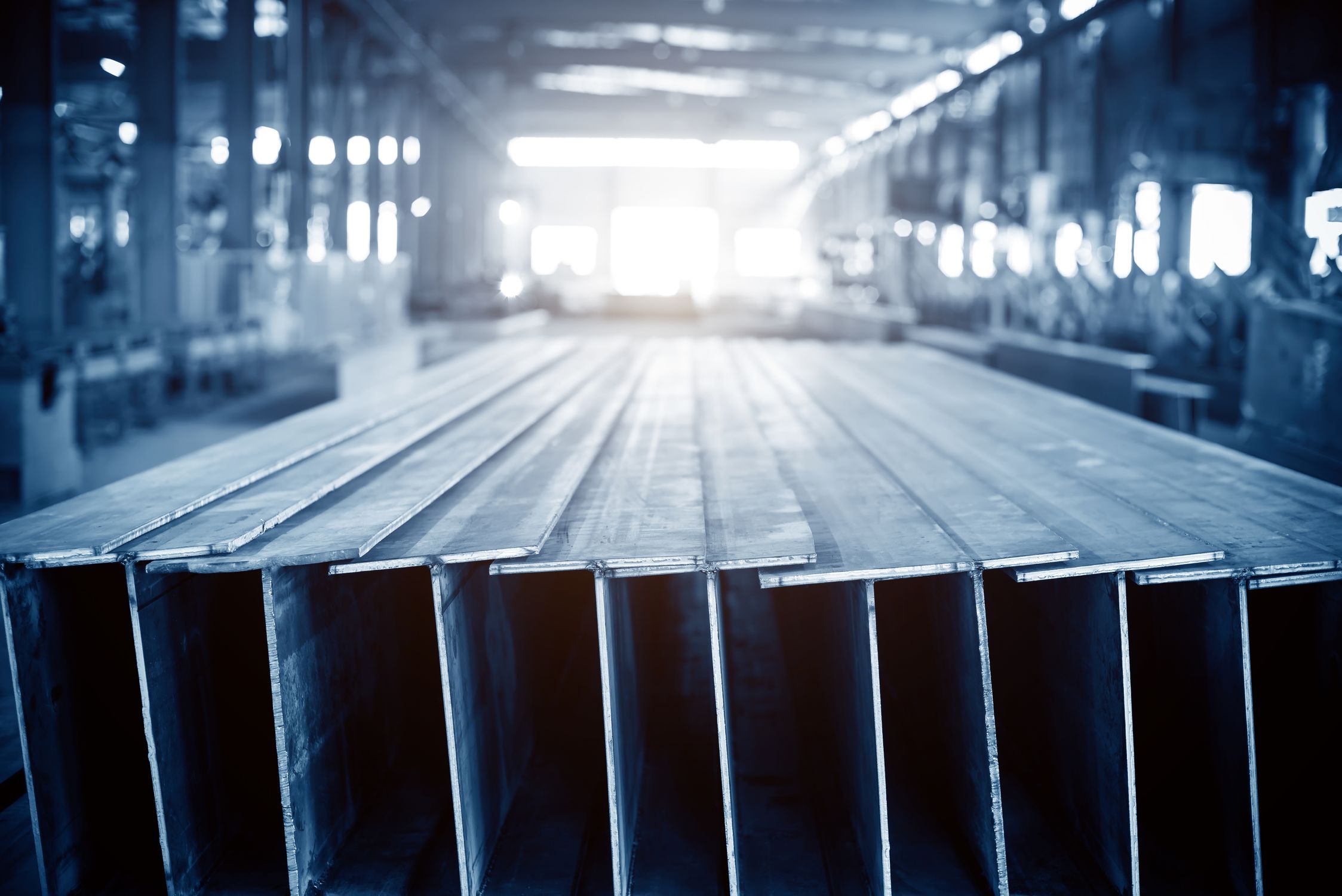
Following the vote on Article 27a, negotiations with member states will now determine the final structure of the regulation. The scope of the levy remains a point of contention; while the Commission proposed extending the tax to 180 products made from steel and aluminum, the Parliament’s environment committee is pushing to expand that list to roughly 450 items. This decision clears the path for the next round of legislative debate, prioritizing uniform enforcement over flexible, Commission-led exemptions.



Comments (0)
No comments yet. Be the first!