
Taipower has already submitted formal restart plans for the Maanshan facility, with regulatory reviews advancing toward a final decision. The urgency stems from a brutal shift in the energy landscape: while natural gas accounted for 30.6% of Taiwan's power in 2015, that figure spiked to 50.5% by July 2026. Following the outbreak of the US-Iran war and the subsequent loss of Qatari exports, the Asian spot LNG benchmark JKM surged to $29/MMBtu, forcing the state-owned utility to project $3.8 billion in additional fuel costs for the year.
Taiwan Pivots Back to Nuclear Power as LNG Costs Soar
With LNG prices tripling and the blockade of the Strait of Hormuz disrupting global supply chains, Taiwan is reversing its nuclear phaseout. The government is now fast-tracking the restart of the Maanshan station to curb a mounting fiscal crisis and reduce its dangerous dependence on volatile imported gas.
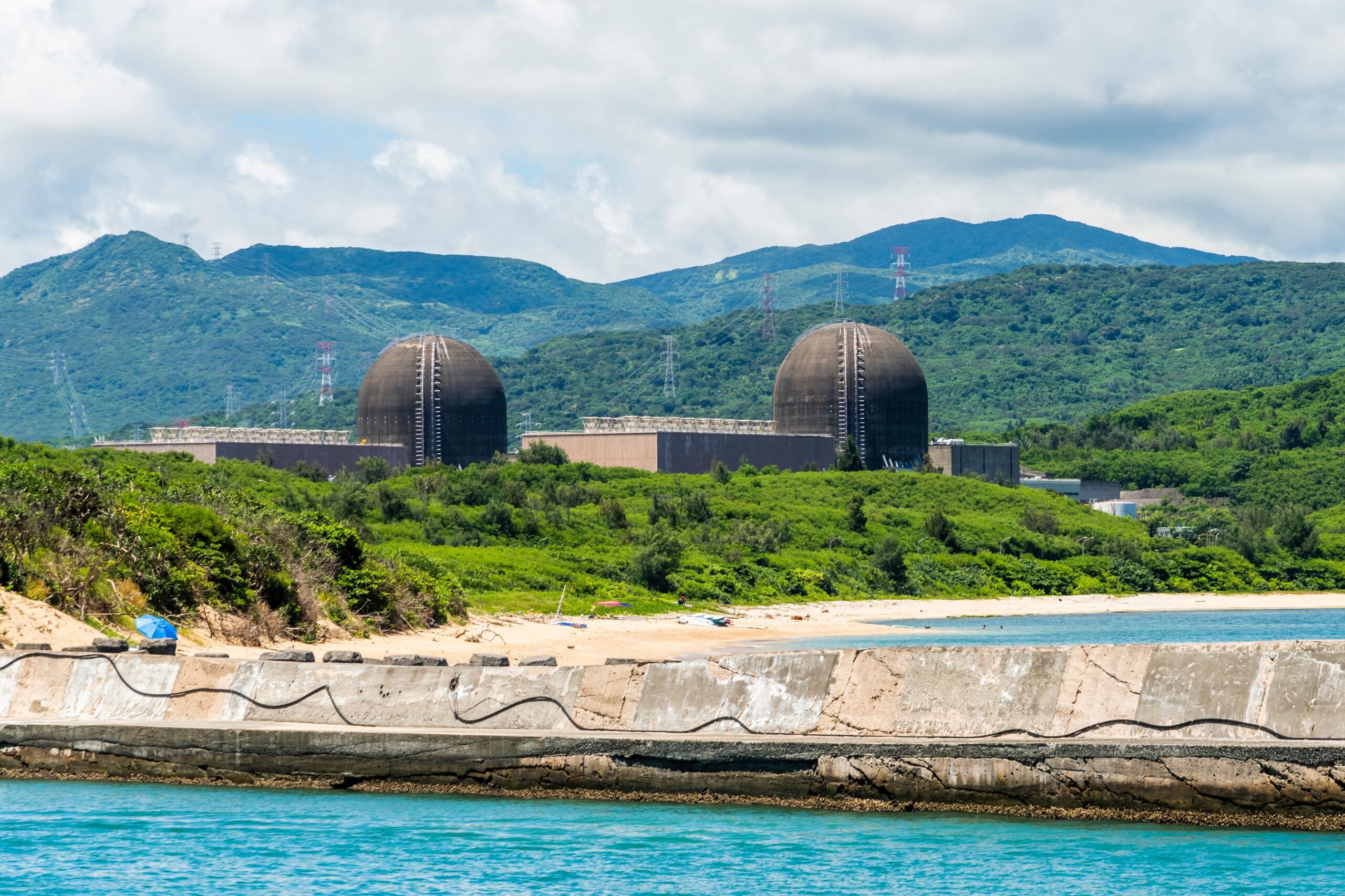
Legislative groundwork for this reversal was laid in May 2025, when amendments allowed for 20-year licence renewals for expired reactors. The strategy aims to restore 3.9 GW of capacity, beginning with the Maanshan plant. Unit 2 is targeted for a 2027 restart, potentially displacing 1 million tonnes of LNG annually. However, the full impact of this shift remains long-term. While the restoration of the Kuosheng reactors could eventually displace up to 4.5 million tonnes of LNG annually, technical hurdles—including spent fuel removal—mean those units will likely not come online before 2031. For now, Taiwan faces a difficult balancing act, managing expensive spot-market procurement while preparing for a nuclear-reliant future that remains years away.




Comments (0)
No comments yet. Be the first!