
Montenegro has quietly pulled ahead of the pack, aiming to finalize accession negotiations by the end of this year with a target entry date of 2028. Unlike more contentious candidates, Podgorica represents the union’s most manageable expansion path: a small, tourism-driven economy and a NATO member already aligned with EU foreign policy. If Brussels cannot successfully integrate such a willing partner, the prospects for stabilizing more complex neighbors like Serbia or Bosnia and Herzegovina appear increasingly bleak. The current reliance on symbolic gestures rather than substantive integration suggests a failure to grasp that the EU’s geopolitical strength now rests on its ability to offer a tangible improvement in the everyday lives of its neighbors.
Montenegro is the litmus test Brussels is failing
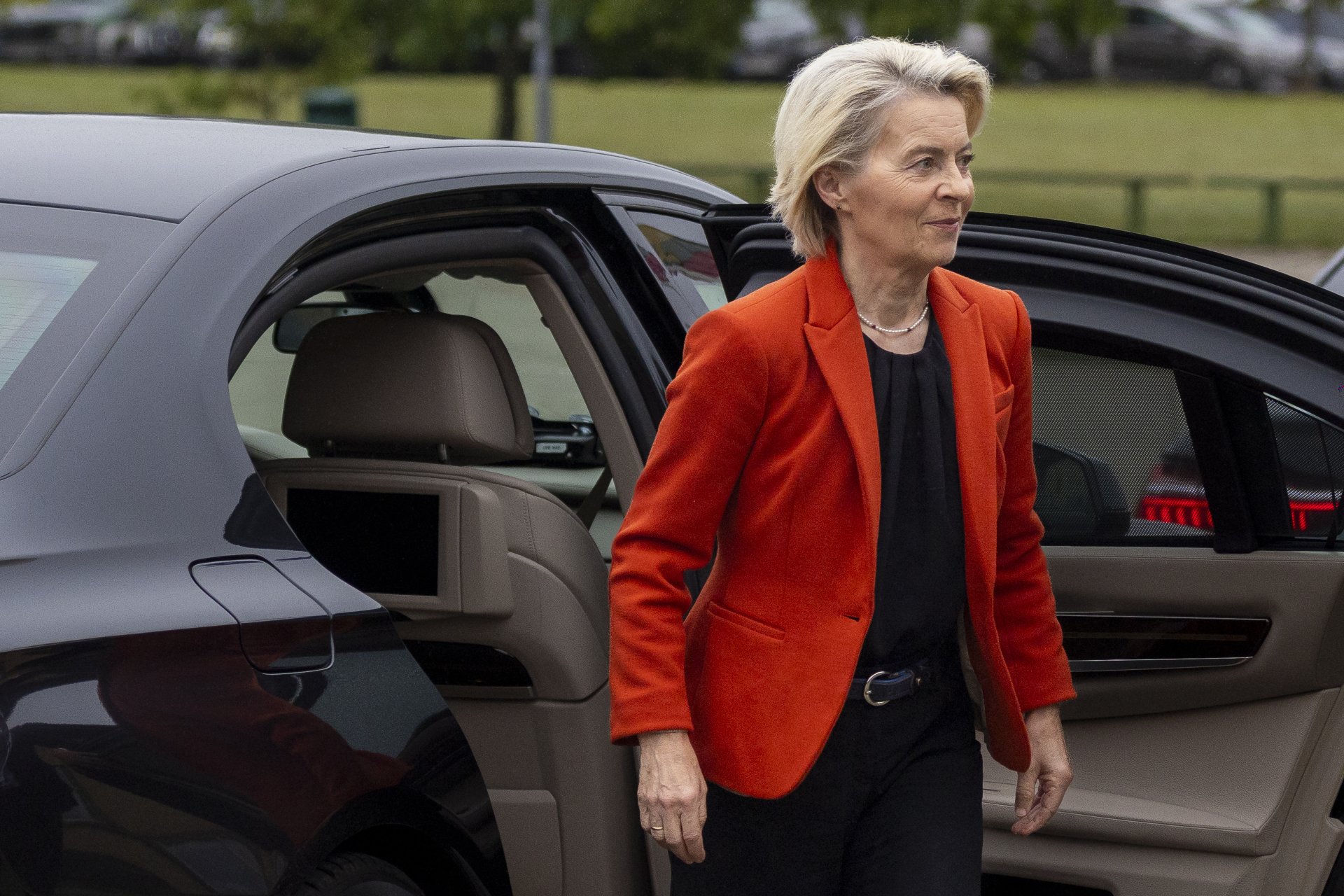
Ursula von der Leyen’s recent State of the Union address in Strasbourg offered Western Balkan leaders little more than bureaucratic ambiguity. While the commission president spoke of merit and roadmaps, she pointedly ignored the urgent reality of Montenegro, the candidate nation currently positioned to define the future of European enlargement.
Brussels remains preoccupied with empty labels, recently debating the legal nuances of "associate status" while ignoring the structural social deficits plaguing the region. Research by Mirna Jusić highlights that while economic reforms have progressed, the social dimension of enlargement has thinned, focusing on ticking bureaucratic boxes rather than addressing persistent poverty and unemployment. To secure its own prosperity, the EU must shift from viewing enlargement as charitable aid toward treating it as a strategic consolidation of its single market. By offering Montenegro the full substance of membership upon signing the accession treaty—including budget access and institutional enforcement—the union could bypass the risks of prolonged, volatile ratification processes. Failure to provide a concrete answer during upcoming reviews will signal that Europe prefers the safety of the status quo over the necessary work of growth.

Comments (0)
No comments yet. Be the first!