
The victory of the Student’s List marks a tectonic shift for a nation long dominated by the Serbian Progressive Party (SNS). The movement traces its origins to the aftermath of a November 2024 tragedy in Novi Sad, where a railway station canopy collapse claimed 16 lives. That disaster galvanized a wave of massive, student-led demonstrations that blamed government corruption for the loss of life, eventually coalescing into the political force that secured 140 seats this weekend.
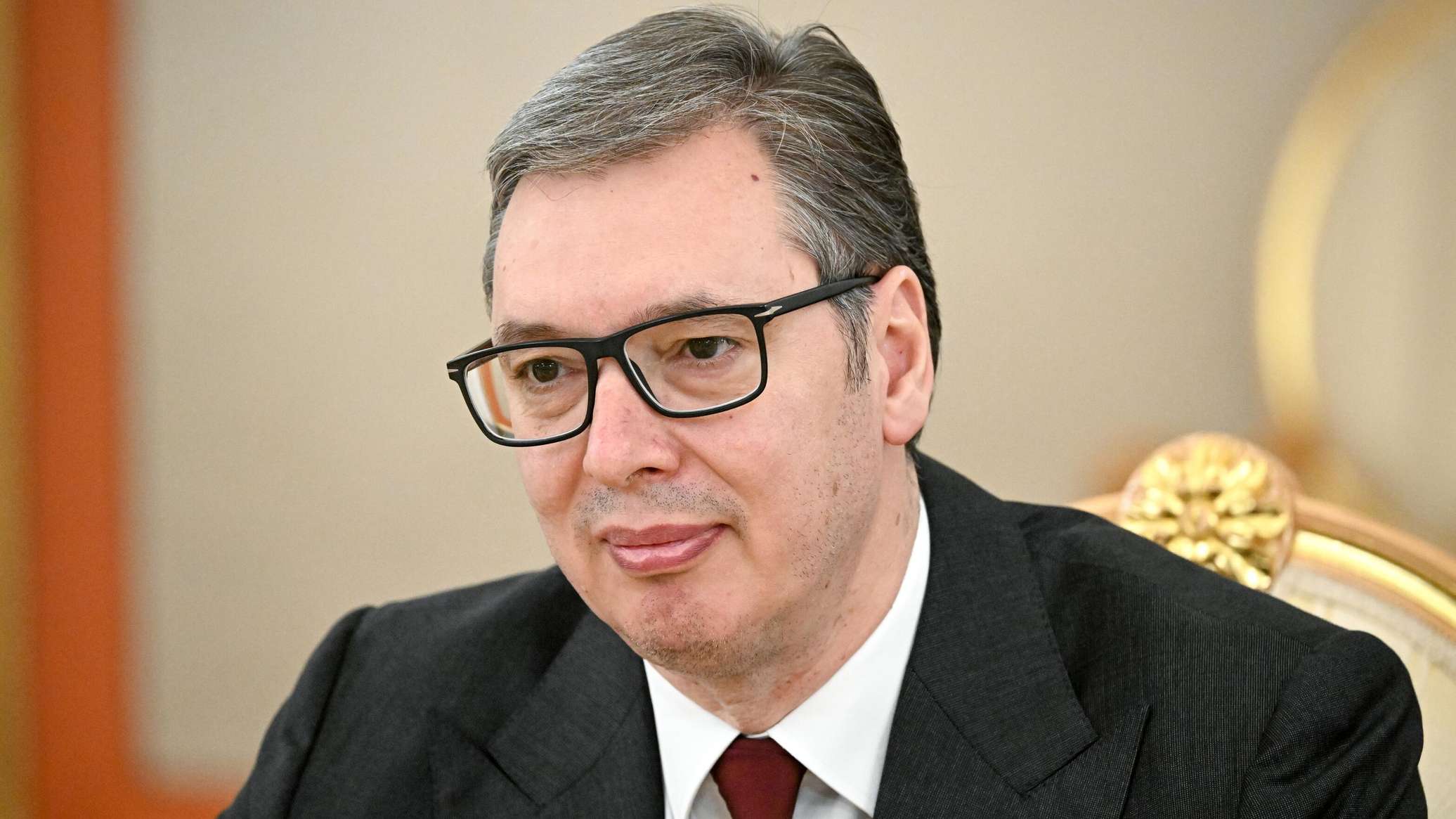
Led by Ilija Srdanović, a professor at the Faculty of Medicine in Novi Sad, the coalition drew support from pro-democracy groups like Kreni-Promeni. By fielding experts and academics rather than traditional career politicians, the movement successfully consolidated an opposition that had previously been crippled by fragmentation. While President Vučić, who held power for over a decade, publicly conceded, he simultaneously framed the results as a foreign-backed revolution, warning of economic instability and risks to gas trade agreements.




Comments (0)
No comments yet. Be the first!