
A Democratic victory in the House would grant the party the power to launch investigations into the current administration, potentially targeting issues ranging from corruption to foreign policy. Their stated agenda includes maintaining financial support for Ukraine and rolling back tariffs imposed by Donald Trump. However, policy reversal is rarely straightforward. While a simple majority allows for passing new laws, any such measure faces an immediate presidential veto. Overriding that veto requires a two-thirds majority in both chambers, a threshold that remains mathematically out of reach even in the most favorable polling scenarios for the Democrats.
US Midterms: The Limits of a Democratic Legislative Shift
With all 435 seats in the House of Representatives and a third of the Senate up for grabs, the outcome of today’s American midterm elections carries significant weight for European policy. While polls suggest a Democratic advantage, the structural reality of the U.S. government ensures that real legislative change remains constrained.
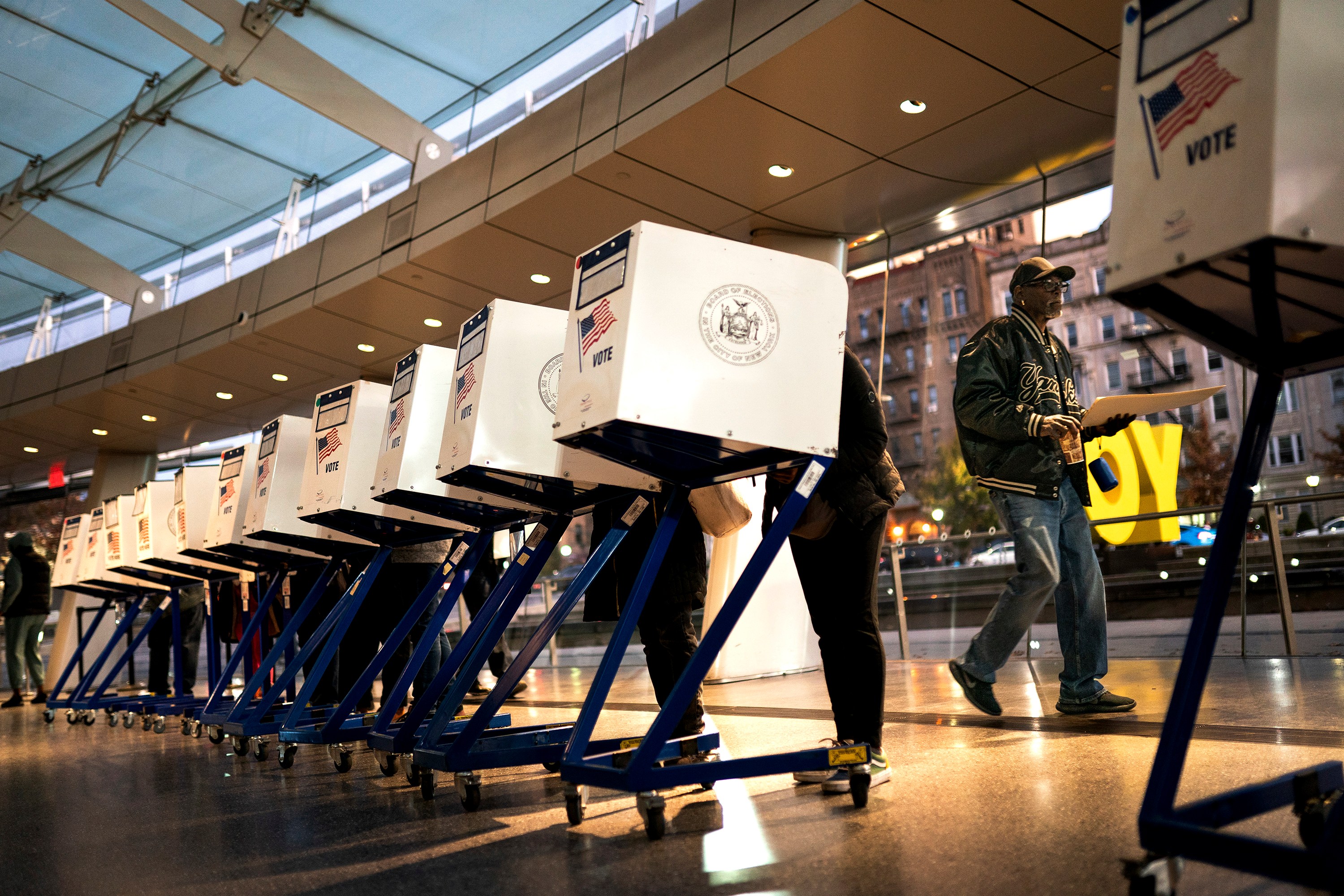
Legislative gridlock is the most likely outcome, yet the Democrats would still possess significant tactical leverage. By refusing to vote on bills or stalling the budget, they could effectively hamper the administration's ability to fund specific initiatives, including war efforts. Furthermore, the legal landscape surrounding trade is already shifting; the Supreme Court recently signaled that the current tariffs may lack a proper legislative basis. Ultimately, while the Democrats lack the numbers to unilaterally dismantle Trump’s policies, they hold the tools to create substantial administrative friction.


Comments (0)
No comments yet. Be the first!