
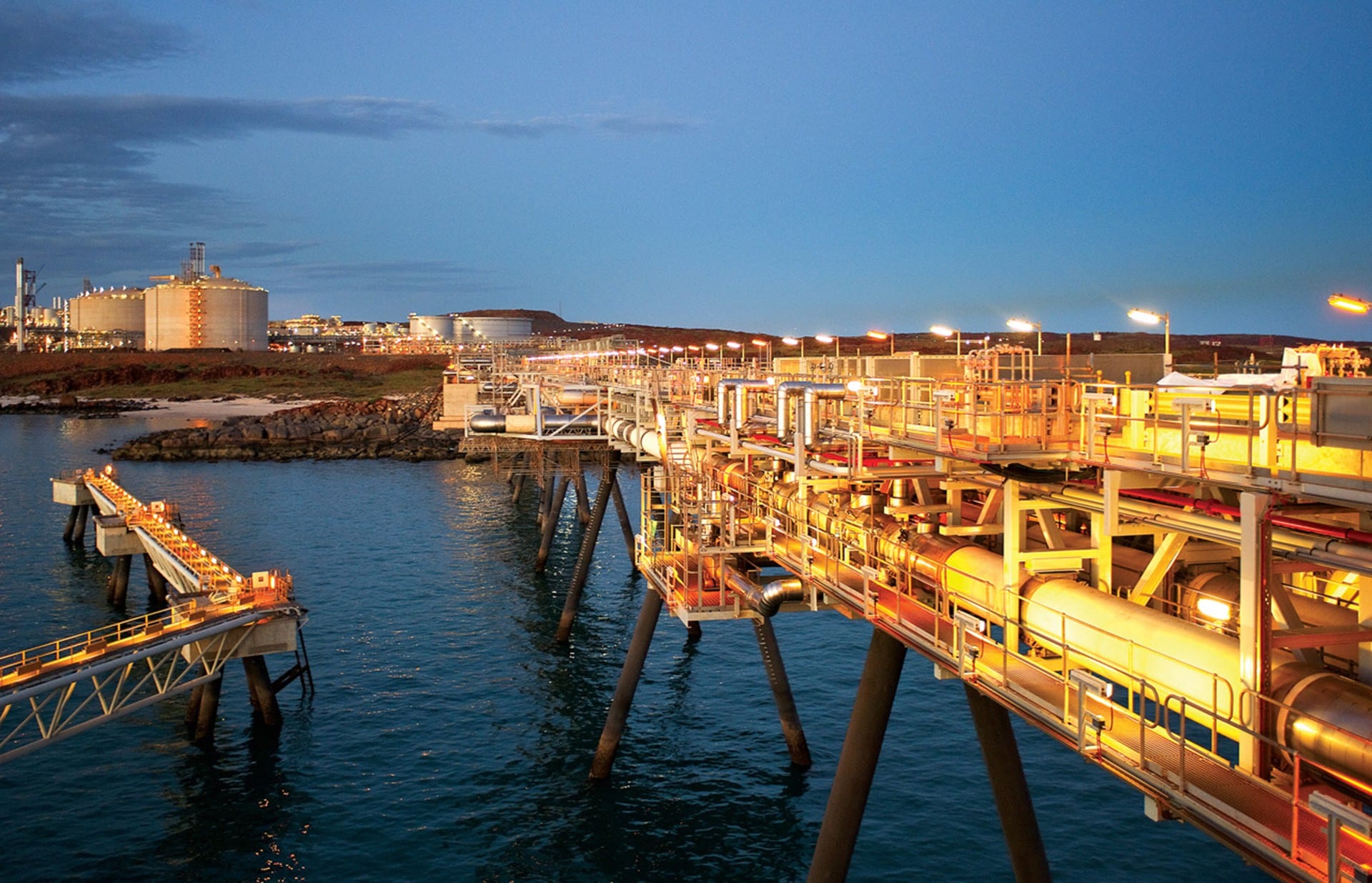
The government’s strategy, crystallized during the 2026 Venezuela Global Investment Forum, centers on the amended Organic Hydrocarbons Law. This framework introduces hydrocarbon productive participation contracts, allowing foreign firms to operate fields at their own risk for 25 years. Crucially, investors can now market their share of production directly, a departure from the previous system that frequently left partners trapped by PDVSA’s default risks and cash-flow crises. Italy’s Eni has already signaled confidence, moving to exclusive operator status at the massive Junín-5 field.
Venezuela’s Oil Pivot: A High-Stakes Gamble for Foreign Majors
Following the removal of Nicolás Maduro, Venezuela is dismantling its state-controlled energy model to lure international capital. By offering exclusive operational control and bypassing the long-troubled PDVSA trading desks, the government hopes to revitalize its stagnant fields, though the shadow of political volatility and U.S. sanctions complicates the pitch.
Fiscal incentives are tiered to attract diverse interest. Projects range from a 20 percent rate for greenfield exploration to 35 percent for mature, damaged assets. While these terms appear competitive compared to the punitive nationalism of the Chávez era, significant structural risks persist. Financing remains difficult as the nation stays largely excluded from traditional debt markets, and the legality of massive concessions—such as the 65-billion-barrel deal involving North American Blue Energy Partners—remains vulnerable to future constitutional challenges. For international majors, the promise of 1.5 million barrels per day in production must be weighed against the reality that these contracts are inextricably tied to shifting U.S. political mandates.

Comments (0)
No comments yet. Be the first!