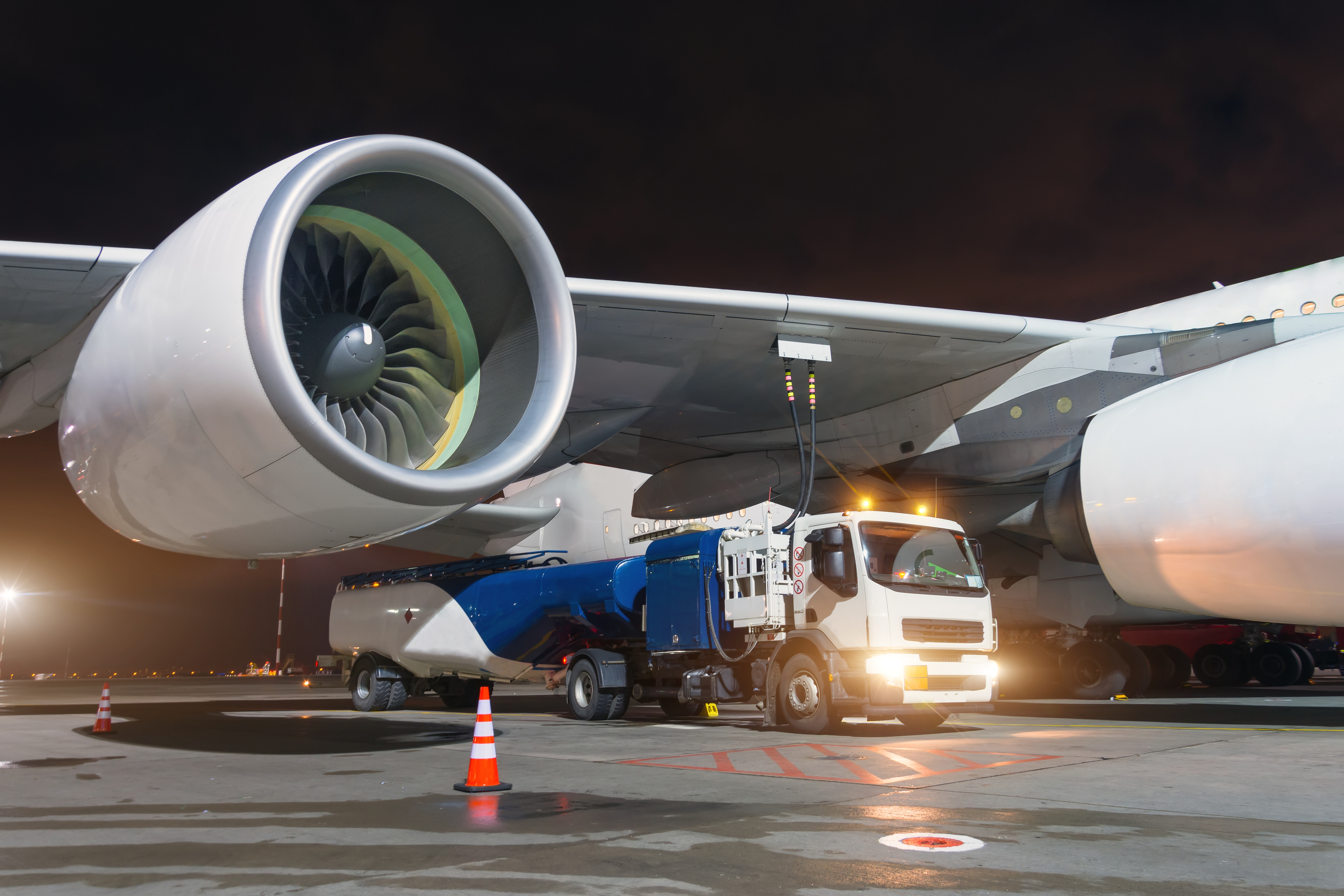
Jet fuel has eased from last month’s peak but remains far above pre-war levels, leaving airlines to choose between renewing costly hedges and risking further price increases. Executives warn that prolonged disruption around the Strait of Hormuz could deepen losses as winter travel demand weakens.
Jet fuel is trading just below $150 a barrel, down from about $180 last month but still well above the $85 airlines paid before the war began. Air Astana chief executive Ibrahim Canliel told Reuters he expects a “new normal” in which fuel stays near current levels, while oil prices remain around $90 to $100 a barrel. Brent crude is still above $95.
United Airlines chief executive Scott Kirby said six of 10 U.S. airlines could lose money this year, warning that companies relying on fuel prices to fall could face a reckoning. As earlier hedging contracts expire, carriers must decide whether to lock in prices at today’s levels or remain exposed to further increases—and potentially benefit if prices drop.
The strain is acute in Europe, where airlines have taken on an additional $12 billion in fuel costs because of war-related supply disruption, according to The Telegraph. Winter brings a seasonal decline in air travel, while higher fares could further dampen demand. A former British Airways network planner told the newspaper that pressure would intensify as hedges expire toward the end of the financial year in March. John Strickland said smaller airlines were more vulnerable than larger carriers.
Lufthansa has said its 2026 fuel bill will be more than $2 billion higher than last year’s. Across the Atlantic, U.S. airlines spent more than $18 billion on jet fuel in the third quarter, according to Department of Transportation data cited by Yahoo Finance. Delta reported a 62% increase in its fuel bill, while United’s rose by $1.84 billion year over year. Carriers must also raise ticket prices to cover costs without driving customers away.



Comments (0)
No comments yet. Be the first!