
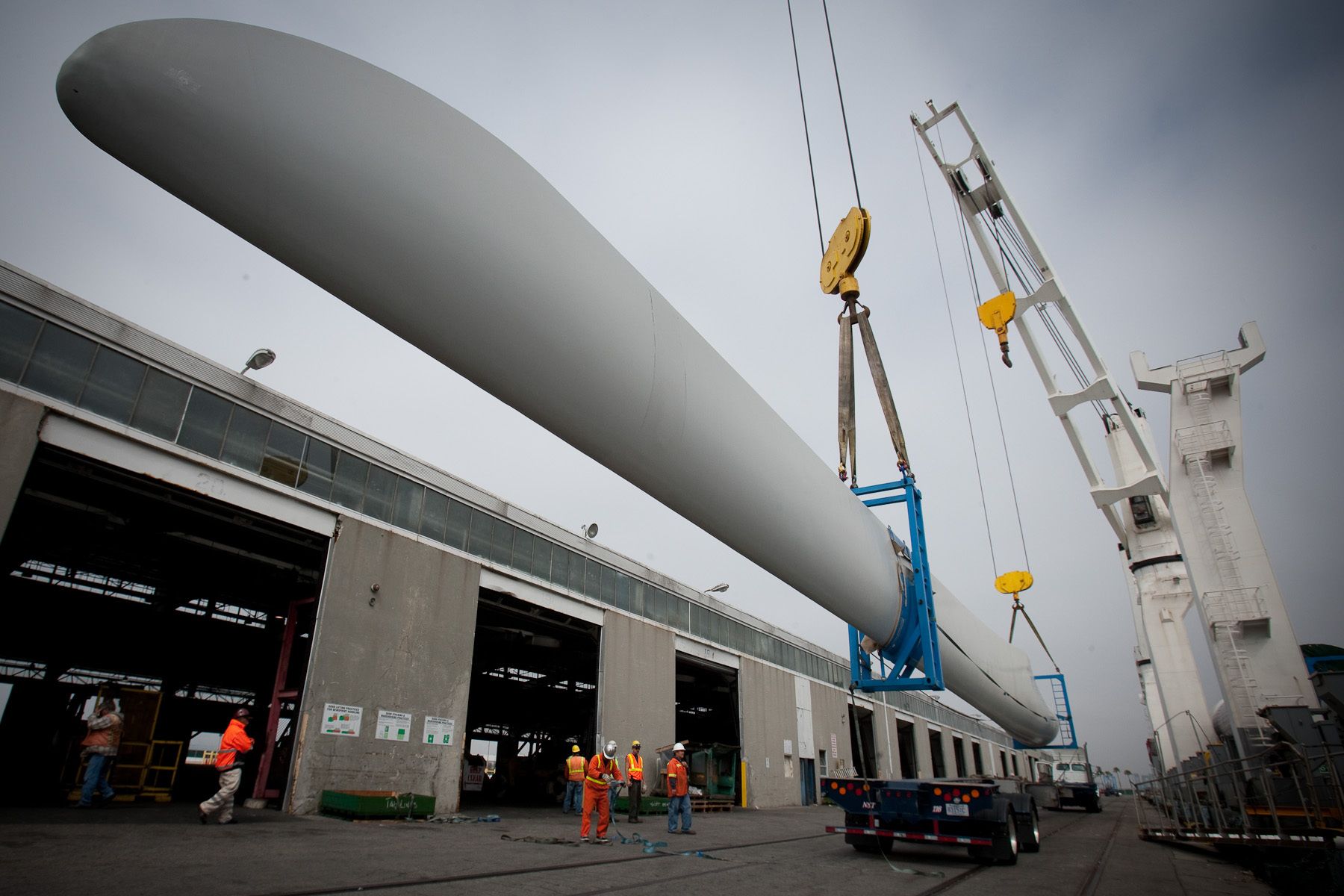
The agreement, signed November 3, also gives REalloys a right of first offer on production. The Army would receive fair-market rent and participation rent once commercial operations begin. It would have first opportunity to purchase the material, though the term sheet does not guarantee an order and Army purchases remain subject to procurement processes. Army official Jeff Waksman said the arrangement uses the service’s land and legal authorities to expand the critical minerals industrial base “without putting taxpayer dollars at risk.”
The deal comes after billions of dollars in U.S. government support for rare earth projects, with limited change in North America’s ability to turn heavy rare earths into defense-grade metals and magnets. China controls approximately 90% of global rare earth processing and produces nearly all the dysprosium and terbium used in magnets for American weapons systems. The central challenge is not mining, but metallization: converting separated oxides into high-purity metals and alloys at commercial scale. The Center for Strategic and International Studies describes that capability as among the least developed and most difficult to rebuild outside China, requiring years of operational expertise.
REalloys’ case for the project includes more than 40 years of specialty metals experience at its Euclid, Ohio, facility and work with the Department of Defense, Department of Energy and NASA. In March, it won a Defense Logistics Agency contract to develop modular metallization technology for samarium and gadolinium. It also holds exclusive rights to 80% of output from the Saskatchewan Research Council’s processing facility, which was designed without Chinese technology. The facility targets annual capacity of about 525 tonnes of NdPr metal, 30 tonnes of dysprosium oxide and 15 tonnes of terbium oxide; initial NdPr metallization is targeted for commissioning in Q1 2027.

Comments (0)
No comments yet. Be the first!