
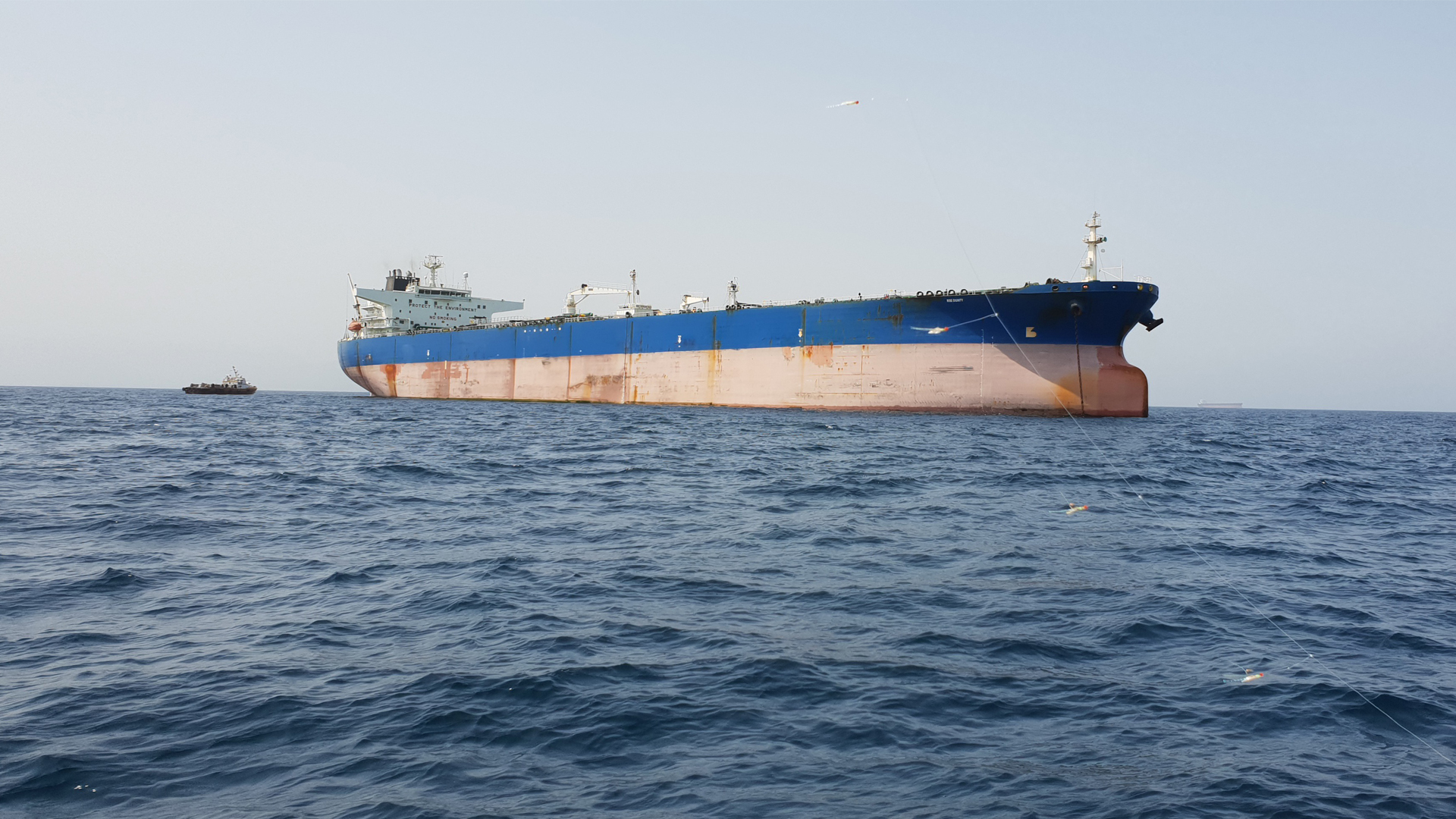
As of November 16, the combined capacity of ballasting supertankers and Suezmaxes bound for the Gulf of Oman stood at 71 million barrels, down from 130 million barrels at the end of August, according to Tankertrackers.com data cited by Bloomberg. The company’s co-founder, Samir Madani, said there were “not enough vacant tankers to take oil out of the region.”
Ship-to-ship transfers in the Gulf of Oman keep supertankers waiting for weeks, while smaller Suezmax and Aframax vessels are also tied up on Hormuz routes. That leaves fewer empty ships available to travel to the Middle East for cargoes. The disruption has also limited VLCC availability on other major routes, including from the U.S. Gulf Coast to Asia.
Exports through Hormuz have so far held up despite a rise in attacks, although flows in November have been somewhat lower than in October. Windward reported that five tankers were struck near Hormuz between November 11 and 18. The firm described the incidents as evidence of Iran’s “continued strategy of maritime attrition,” saying it was unlikely to ease without a change in diplomatic conditions. Iran has also reported nearly daily incidents of tankers hitting naval mines in corridors it has designated as unauthorized.


Comments (0)
No comments yet. Be the first!