
The volatility triggered by the Houthi drone and missile barrage comes on the heels of a sabotage attack on Saudi Arabia’s East-West pipeline. This critical infrastructure, the kingdom’s only bypass for the Strait of Hormuz, remains offline after Friday’s strike, which Riyadh attributed to Iran-backed fighters in Iraq. Traders warn that a prolonged closure of the line, which moves 7 million barrels daily, threatens to choke off 4% of the global oil supply. At the Red Sea port of Yanbu, Asian refiners are already reporting zero information on loading schedules, while local reserves are estimated to last less than a week.
Oil Markets Jolt as Gulf Tensions Sever Key Supply Routes
Brent crude climbed to $108 per barrel on Monday after Gulf states abruptly canceled talks with Iran over the Strait of Hormuz. The diplomatic collapse followed a massive Houthi strike on Saudi Arabia's King Khalid airbase, deepening fears that simultaneous attacks on energy chokepoints could cripple global supply chains.
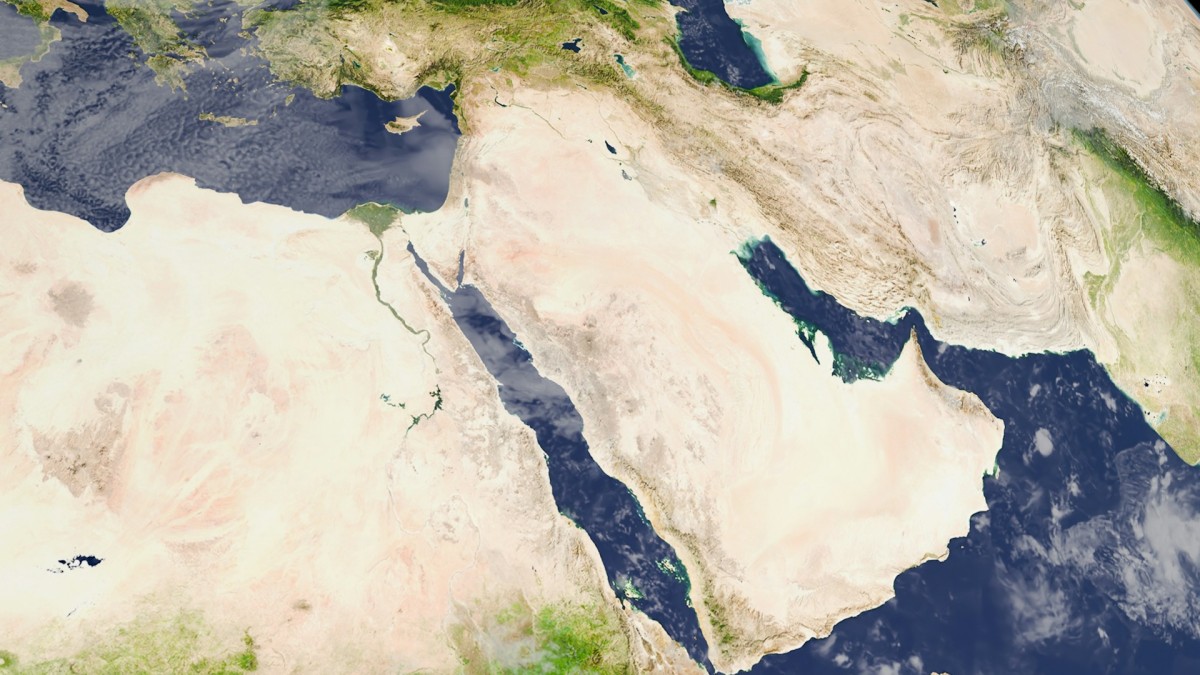
Strategic control over maritime transit is shifting rapidly. The Houthis have seized Perim Island and deployed forces to the Hanish archipelago, effectively tightening their grip on the Bab al-Mandeb strait—a corridor that carries 12% of global trade and 11% of maritime oil. Former State Department official David Schenker described the dual pressure on Hormuz and Bab al-Mandeb as a "worst-case scenario" for international energy security. Despite Saudi Crown Prince Mohammed bin Salman’s request for direct American military intervention against the Houthi positions, Washington has opted to provide only intelligence support. Meanwhile, U.S. diesel prices have surged to a record $6.23 per gallon, adding over $100 billion to the fuel costs burdening American drivers since the conflict escalated.



Comments (0)
No comments yet. Be the first!