
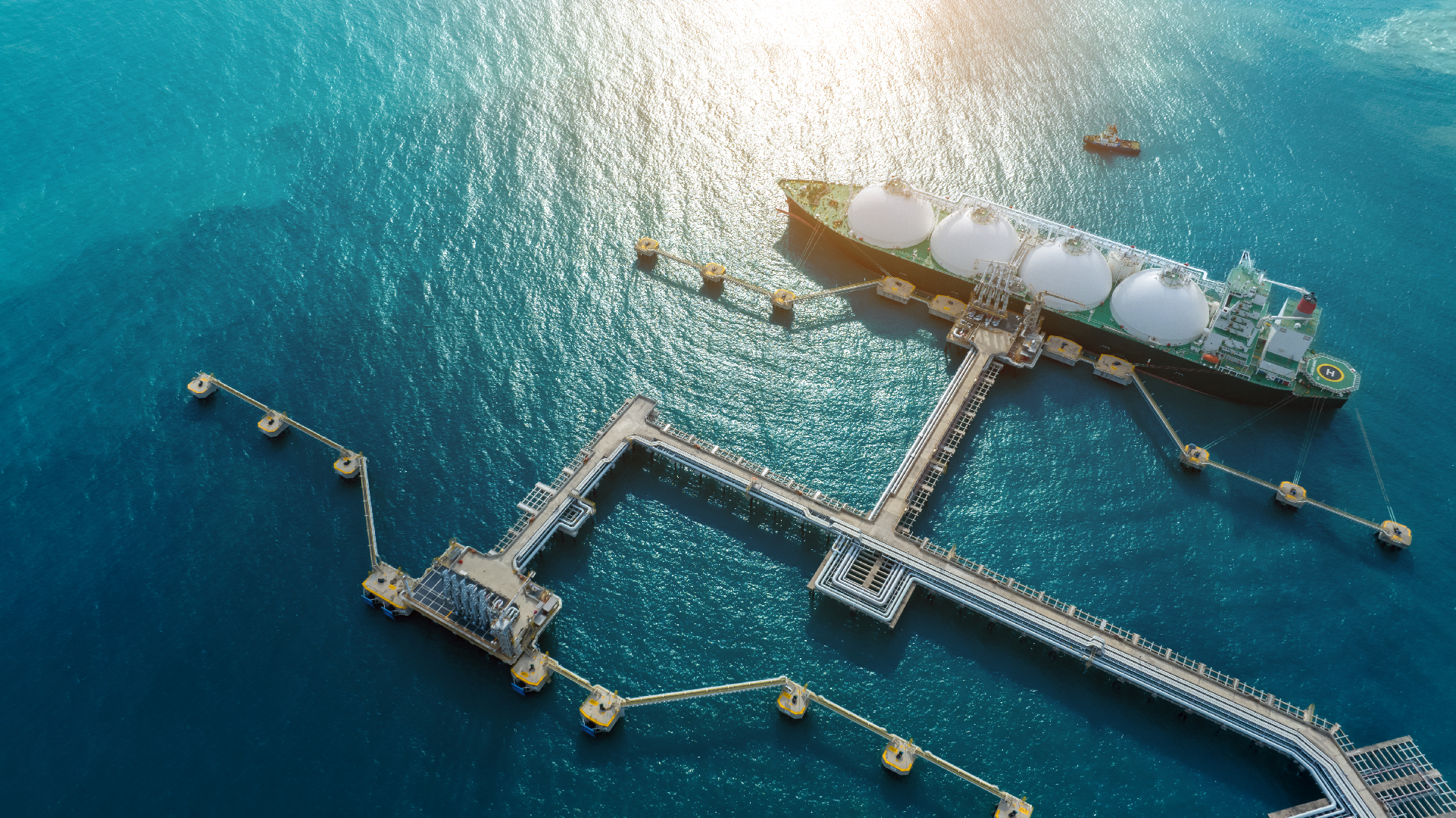
The physical constraints of ship-to-ship transfers for LNG—far more complex than those for crude oil—have crippled exports from Persian Gulf producers. While some limited cargoes have navigated the chokepoint, the aggregate supply loss since March remains acute. With October delivery prices holding above $25 per million British thermal units (MMBtu), industrial sectors in price-sensitive regions are scaling back consumption.
Asian LNG Markets Stagnate Under Price Pressure from Middle East Conflict
The Strait of Hormuz remains a critical bottleneck for liquefied natural gas, as supply disruptions from Qatar and the UAE drive spot prices to their highest levels since 2022. For importers in China and India, the current surge in costs has forced a temporary retreat from the global market.
Deepak Gupta, chairman of India’s GAIL, confirmed that the current pricing environment is actively suppressing demand across the country’s sensitive industrial base. Similarly, Luo Yizhou, CEO of PetroChina International, characterized the decline in Chinese purchases as a temporary reaction to volatility rather than a structural shift. Industry leadership anticipates a recovery in volume once prices stabilize below the $10 per MMBtu threshold. However, analysts at PetroChina noted that future growth in China will remain tempered by an increased focus on long-term cost, infrastructure reliability, and supply flexibility.



Comments (0)
No comments yet. Be the first!