
Addressing the European Parliament on Tuesday, Kallas emphasized that an EU presence would serve as a stabilizing force rather than an escalation. The recent attacks have left seven sailors missing near the Romanian coast and are currently draining the Ukrainian economy of approximately 60 million euros daily in lost exports of grain and fertilizer. Experts suggest that Moscow has deliberately shifted its strategy from targeting port infrastructure to threatening civilian lives, a tactic intended to raise insurance premiums and deter commercial shipping operators from entering the region.
EU Faces Hurdles in Establishing Black Sea Naval Escort Mission
Six drone strikes in ten days targeting merchant vessels have prompted EU foreign policy chief Kaja Kallas to call for a defensive naval mission in the Black Sea. While Kallas argues that securing fuel and grain transit is a geopolitical necessity, the proposal faces significant logistical and strategic barriers to implementation.
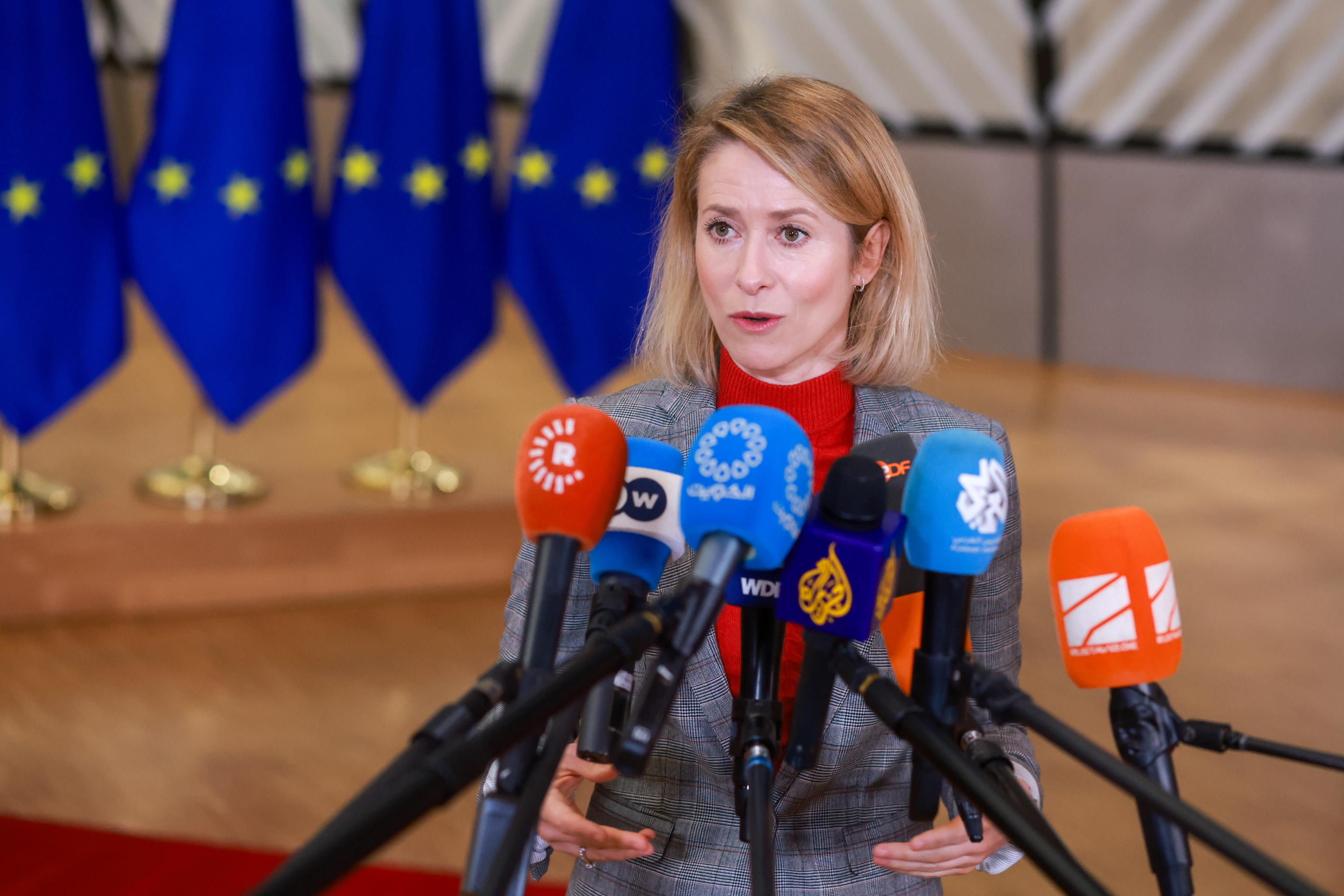
Despite the urgency of the situation, replicating the EU’s existing Red Sea maritime mission remains unlikely. Analysts note that the Black Sea environment presents unique dangers that would require a far more robust military footprint than currently exists. Air policing measures, rather than a naval escort, may offer a more pragmatic approach to neutralizing the drone threat while avoiding a direct military confrontation with Russian forces.




Comments (0)
No comments yet. Be the first!