
HomeEnergy

Energy

Energy

Molten Salt Reactor Design Clears Key U.S. Regulatory Milestone

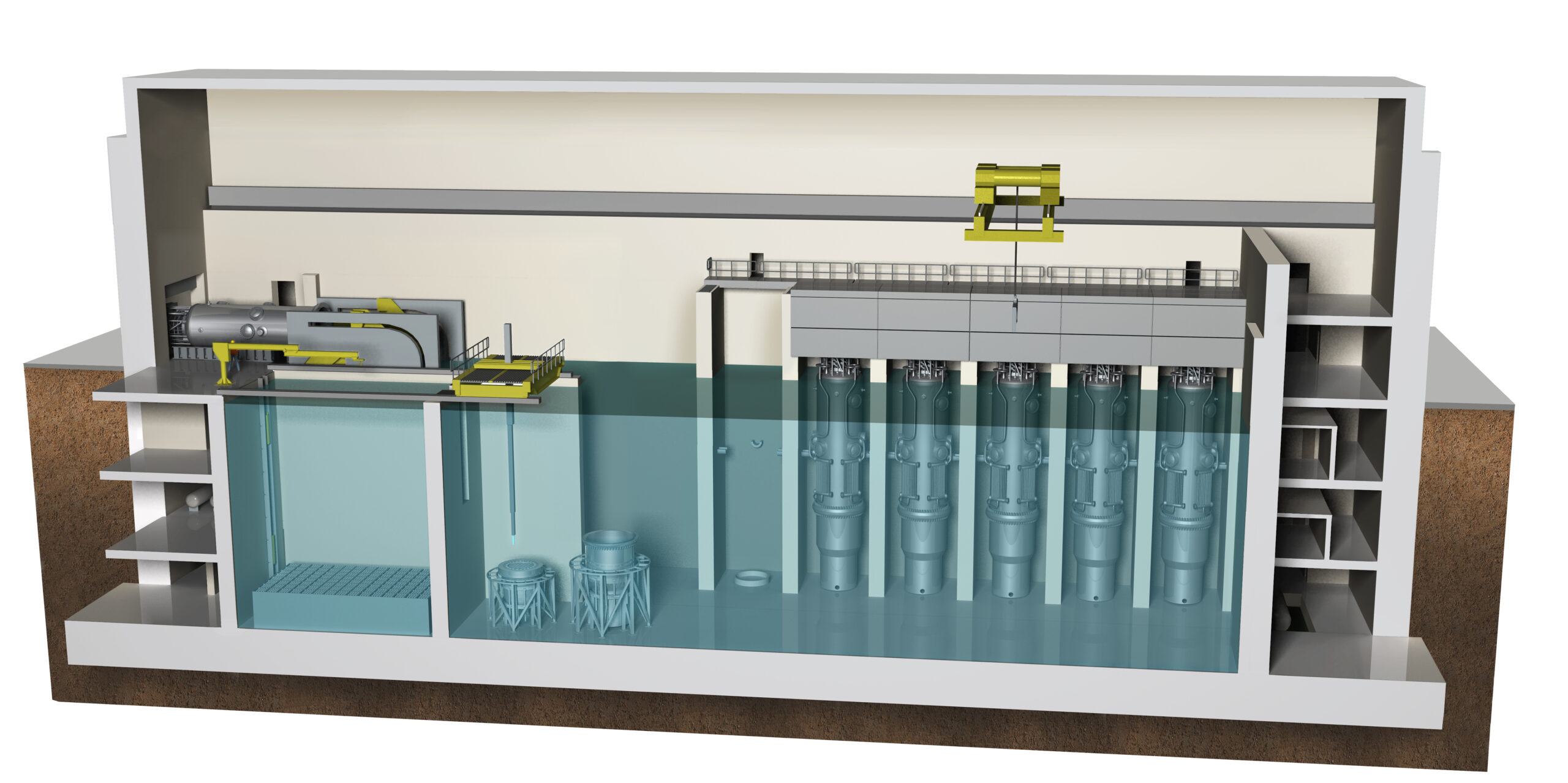
The U.S. Department of Energy has approved a Nuclear Safety Design Agreement for a molten salt reactor developed at Abilene Christian University. This regulatory milestone marks a significant step for advanced nuclear technology, which promises to enhance safety and fuel efficiency while sidestepping the cooling limitations of traditional water-based power plants.

Money Talk·Jul 27
Japan Seeks Foreign Bank Backing for $33 Billion U.S. Gas Push
Energy

Japan Seeks Foreign Bank Backing for $33 Billion U.S. Gas Push

Tokyo is signaling a shift toward international capital to fulfill its $33 billion natural gas investment commitment to the United States. By courting foreign lenders to support infrastructure projects, the Japanese government aims to streamline the currency funding required to satisfy a trade agreement struck with the Trump administration last year.

Money Talk·Jul 27
China Ramps Up Crude Intake as Regional Tensions Ease
Energy

China Ramps Up Crude Intake as Regional Tensions Ease

Chinese crude imports have rebounded to 7.8 million barrels per day this July, marking a sharp recovery from June’s decade-low of 6.2 million. This surge in procurement, driven by increased flows from Russia and the Middle East, follows a brief de-escalation in the military standoff between the United States and Iran.

Money Talk·Jul 27
Australia Accelerates Shift from Coal to Renewables
Energy

Australia Accelerates Shift from Coal to Renewables

With coal’s share of electricity generation falling from roughly 80 percent in 2000 to under 50 percent in 2025, Australia is undergoing an industrial transformation. Driven by market forces and aging infrastructure, the nation is pivoting toward a diverse energy mix anchored by wind, solar, and massive battery storage capacity.

Money Talk·Jul 27
Oil Markets Face Dual Chokepoint Risk as Bab el-Mandeb Strains
Energy

Oil Markets Face Dual Chokepoint Risk as Bab el-Mandeb Strains

Oil prices retreated Friday following reports of potential U.S.-Iran nuclear talks, yet analysts warn the relief may be short-lived. Standard Chartered suggests the market must now account for expanded regional threats, as the Bab el-Mandeb Strait joins the Strait of Hormuz as a critical, vulnerable artery for global energy supplies.

Money Talk·Jul 27
Global Oil Supply Chains Fracture Under Military Pressure
Energy

Global Oil Supply Chains Fracture Under Military Pressure

With the Strait of Hormuz effectively locked and the Bab el-Mandeb chokepoint now hostile territory, the narrative of a looming crude glut has evaporated. Missiles and drones are forcing tankers to abandon primary routes, creating a supply bottleneck that threatens to push the global economy into a sharp recession.

Money Talk·Jul 27
Oil Prices Tumble as U.S. and Iran De-escalate Tensions
Energy

Oil Prices Tumble as U.S. and Iran De-escalate Tensions

A 5% drop in crude prices during Monday’s early Asian trading sessions signaled a rapid cooling of markets, ending a two-week rally that had pushed Brent over $100 per barrel. The retreat followed coordinated signals from Washington and Tehran that both sides are pausing military operations to prioritize diplomatic channels.

Money Talk·Jul 27
Middle East Conflict Forces U.S. Airlines to Slash Earnings Outlook
Energy

Middle East Conflict Forces U.S. Airlines to Slash Earnings Outlook

Brent crude prices surging past $100 per barrel have shattered hopes for lower operating costs, forcing U.S. carriers to abandon earlier financial targets. As geopolitical hostilities in the Middle East tighten global fuel markets, airlines are grappling with billions in added expenses that threaten to keep airfares at record highs.

Money Talk·Jul 27
EU Considers Three-Year Methane Penalty Waiver Amid Energy Crisis
Energy

EU Considers Three-Year Methane Penalty Waiver Amid Energy Crisis

The European Commission is advising member states to waive penalties for oil and gas companies failing to meet methane emission standards for the next three years. This shift comes as geopolitical instability, particularly the ongoing closure of the Strait of Hormuz, forces a rethink of strict climate enforcement.

Money Talk·Jul 26
UCLA Breakthrough Converts Plastic Waste Into Pure Hydrogen
Energy

UCLA Breakthrough Converts Plastic Waste Into Pure Hydrogen

Researchers from UCLA and South Korea have developed a method to transform unsorted plastic waste into clean hydrogen fuel using Alkaline Thermal Treatment. This discovery offers a dual solution to the mounting global plastic crisis and the urgent need for cost-effective, carbon-free energy sources for heavy industry.

Money Talk·Jul 26
China Proposes AI-Driven Safety Framework for Nuclear Energy
Energy

China Proposes AI-Driven Safety Framework for Nuclear Energy

At the World Artificial Intelligence Conference in Shanghai, the Chinese Academy of Sciences unveiled the Accelerator-Driven Advanced Nuclear Energy System (ADANES). This framework seeks to integrate artificial intelligence across the entire nuclear lifecycle, proposing a shift in safety logic that proponents claim could prevent catastrophic failures.

Money Talk·Jul 26
The High-Stakes Failure of Carbon Capture Aspirations
Energy

The High-Stakes Failure of Carbon Capture Aspirations

Carbon capture and storage technology, once hailed as a vital bridge for hard-to-abate industries, faces a deepening crisis of confidence. Despite billions in government subsidies and aggressive corporate investment, the industry is struggling with technical underperformance, exorbitant costs, and accusations that the entire project serves primarily as a sophisticated greenwashing campaign.

Money Talk·Jul 26
Lithium Prices Tumble as Global Mine Restarts Fuel Oversupply Fears
Energy

Lithium Prices Tumble as Global Mine Restarts Fuel Oversupply Fears

Lithium carbonate prices on the Guangzhou Futures Exchange have plunged to a five-month low of 136,800 yuan ($20,210) per tonne, marking a 30% retreat from May peaks. This downward spiral follows a coordinated surge in mine restarts across China and Australia, sparking intense market anxiety regarding a looming supply glut.

Money Talk·Jul 25
US Drilling Activity Softens as Market Prices Pull Back
Energy

US Drilling Activity Softens as Market Prices Pull Back

With Brent crude sliding toward $96 and WTI dipping to $88, American energy producers are hitting the brakes on expansion. Baker Hughes reported a net decline in active drilling rigs this week, signaling a cautious industry response to the recent volatility in global energy markets.

Money Talk·Jul 25
Strait of Hormuz Blockade Triggers Global Fertilizer and Food Crisis
Energy

Strait of Hormuz Blockade Triggers Global Fertilizer and Food Crisis

With the Strait of Hormuz closed to shipping, 3.9 million tonnes of urea exports have been effectively trapped, sending shockwaves through global agricultural markets. The International Food Policy Research Institute warns this input crisis risks evolving into a widespread food emergency, exacerbated by ongoing conflicts in the Black Sea.

Money Talk·Jul 25
Saudi Arabia’s Red Sea Export Strategy Hits a Logistical Wall
Energy

Saudi Arabia’s Red Sea Export Strategy Hits a Logistical Wall

For years, Saudi Arabia relied on the East-West Pipeline to Yanbu as a fail-safe against Persian Gulf volatility. Yet, as Houthi militants effectively choke the Bab el-Mandeb Strait, this strategic pivot has transformed into a geographic trap, exposing the fragility of global oil supply chains that depend on maritime transit.

Money Talk·Jul 25
Trump’s Saudi Nuclear Pivot Risks Regional Stability
Energy

Trump’s Saudi Nuclear Pivot Risks Regional Stability

Washington’s attempt to fast-track a nuclear deal with Riyadh underscores a volatile shift in Middle Eastern diplomacy. After briefly signaling a willingness to abandon key non-proliferation conditions, the administration reverted to demanding Israeli normalization as a prerequisite, revealing a strategy driven more by immediate crisis management than long-term security.

Money Talk·Jul 24
Rubio and Lavrov End Talks Without Breakthrough on Ukraine War
Energy

Rubio and Lavrov End Talks Without Breakthrough on Ukraine War

Thirty-five minutes of discussion in the Philippines failed to narrow the chasm between Washington and Moscow regarding the war in Ukraine. U.S. Secretary of State Marco Rubio and Russian Foreign Minister Sergei Lavrov emerged from their brief meeting July 23 with no new agreements, signaling that previous peace frameworks remain deadlocked.

Money Talk·Jul 24
How the U.S. Captured the Global LNG Market
Energy

How the U.S. Captured the Global LNG Market

The global liquefied natural gas market saw a surge of 1.2 trillion cubic feet in 2025, with the United States accounting for roughly 93% of that growth. This dominance marks a radical shift from a decade ago, when American exports were negligible, transforming the nation into the world’s leading energy exporter.

Money Talk·Jul 24
Black Sea Oil Exports Stumble as Drone Attacks Silence Sheskharis
Energy

Black Sea Oil Exports Stumble as Drone Attacks Silence Sheskharis

The Sheskharis terminal in Novorossiysk, Russia’s primary Black Sea oil export hub, has ceased loading crude tankers since July 21. This shutdown follows a similar disruption at the neighboring Caspian Pipeline Consortium facility, effectively paralyzing a critical artery for global energy markets and heightening supply volatility.

Money Talk·Jul 24
Global Energy Markets Bracing for a Triple-Front Supply Shock
Energy

Global Energy Markets Bracing for a Triple-Front Supply Shock

The simultaneous blockade of the Strait of Hormuz and the Bab el-Mandeb has sent crude prices surging by $10 per barrel this week. As transit routes fracture and geopolitical tensions mount, global refiners are increasingly bracing for a return to $100 oil, testing the resilience of current energy supply chains.

Money Talk·Jul 24
Central Asia’s Gold Rush Brings Prosperity and Hidden Risks
Energy

Central Asia’s Gold Rush Brings Prosperity and Hidden Risks

As gold prices hover near $4,000 an ounce, the precious metal has become the bedrock of Central Asian economies, fueling state budgets and personal incomes. Yet, from the small-scale mines of Uzbekistan to the halls of government in Kyrgyzstan, this reliance on a single commodity invites volatility and structural concern.

Money Talk·Jul 24
Energy Volatility and El Niño Threaten to Resurrect Global Inflation
Energy

Energy Volatility and El Niño Threaten to Resurrect Global Inflation

With global markets already reeling from oil supply disruptions, a looming super El Niño threatens a secondary wave of price hikes. JPMorgan analysts warn that the collision of extreme weather and geopolitical instability in the Middle East could push food and energy costs significantly higher throughout the coming year.

Money Talk·Jul 24
Saudi Red Sea Oil Exports Plummet 41% Amid Rising Naval Threats
Energy

Saudi Red Sea Oil Exports Plummet 41% Amid Rising Naval Threats

Saudi Arabia’s crude exports from the Yanbu terminal on the Red Sea have collapsed by 41% since March, falling to 2.39 million barrels per day by June. This sharp decline reveals the vulnerability of the kingdom's pivot away from the Strait of Hormuz as regional conflict intensifies.

Money Talk·Jul 24
India Turns to Angola and Venezuela to Bypass Middle East Oil Blockade
Energy

India Turns to Angola and Venezuela to Bypass Middle East Oil Blockade

Escalating hostilities in the Middle East have forced India’s state-run refiners to hunt for crude in Angola and Venezuela. With key supply routes through the Strait of Hormuz effectively paralyzed, the world’s third-largest oil importer is abandoning long-term contracts to avoid the mounting dangers of the Persian Gulf.

Money Talk·Jul 24
Betting on the Backbone of the American Power Grid
Energy

Betting on the Backbone of the American Power Grid

The insatiable energy requirements of artificial intelligence and the steady rise of electric vehicle adoption are forcing a long-overdue transformation of the U.S. power grid. While energy producers have captured headlines, the real bottleneck—and potential value—lies in the infrastructure required to transmit that power.

Money Talk·Jul 24
Oil Prices Surge as Middle East Shipping Routes Face Collapse
Energy

Oil Prices Surge as Middle East Shipping Routes Face Collapse

Crude oil futures hit $92.31 on Thursday, marking a staggering 12.89% weekly gain as geopolitical friction chokes global energy transit. Traders are abandoning previous assumptions of diplomatic resolution, moving instead to price in a permanent loss of shipping capacity through the Strait of Hormuz and surrounding Red Sea corridors.

Money Talk·Jul 24
ADNOC Expands Crude Export Reach Amid Regional Maritime Tensions
Energy

ADNOC Expands Crude Export Reach Amid Regional Maritime Tensions

Abu Dhabi National Oil Company has launched its seventh crude tender since June, signaling a push to move millions of barrels between August and October. The company is actively bypassing traditional chokepoints, utilizing a complex logistics strategy to maintain flow despite escalating maritime risks in the Strait of Hormuz and the Red Sea.

Money Talk·Jul 24
OPEC+ Targets Production Hike Despite Export Infrastructure Risks
Energy

OPEC+ Targets Production Hike Despite Export Infrastructure Risks

Eight key producers are set to authorize a 188,000 barrel-per-day increase for September, continuing a steady rollback of voluntary supply cuts. While these quotas climb, physical output remains stuck in a downward spiral as regional maritime threats and infrastructure vulnerabilities prevent members from actually pumping the crude they promise.

Money Talk·Jul 24
Pakistan Goods Transporters Threaten Strike Over Daily Fuel Pricing
Energy

Pakistan Goods Transporters Threaten Strike Over Daily Fuel Pricing

Pakistan’s freight industry is bracing for a potential nationwide shutdown, with the Pakistan Goods Transport Alliance warning that daily fuel price hikes have pushed many businesses to the brink of collapse. The threat follows the government's recent decision to link domestic fuel costs directly to volatile international market fluctuations.

Money Talk·Jul 24