HomeEnergy

Energy

Strait of Hormuz Gridlock Leaves Global Oil Markets in Limbo
Energy

Strait of Hormuz Gridlock Leaves Global Oil Markets in Limbo

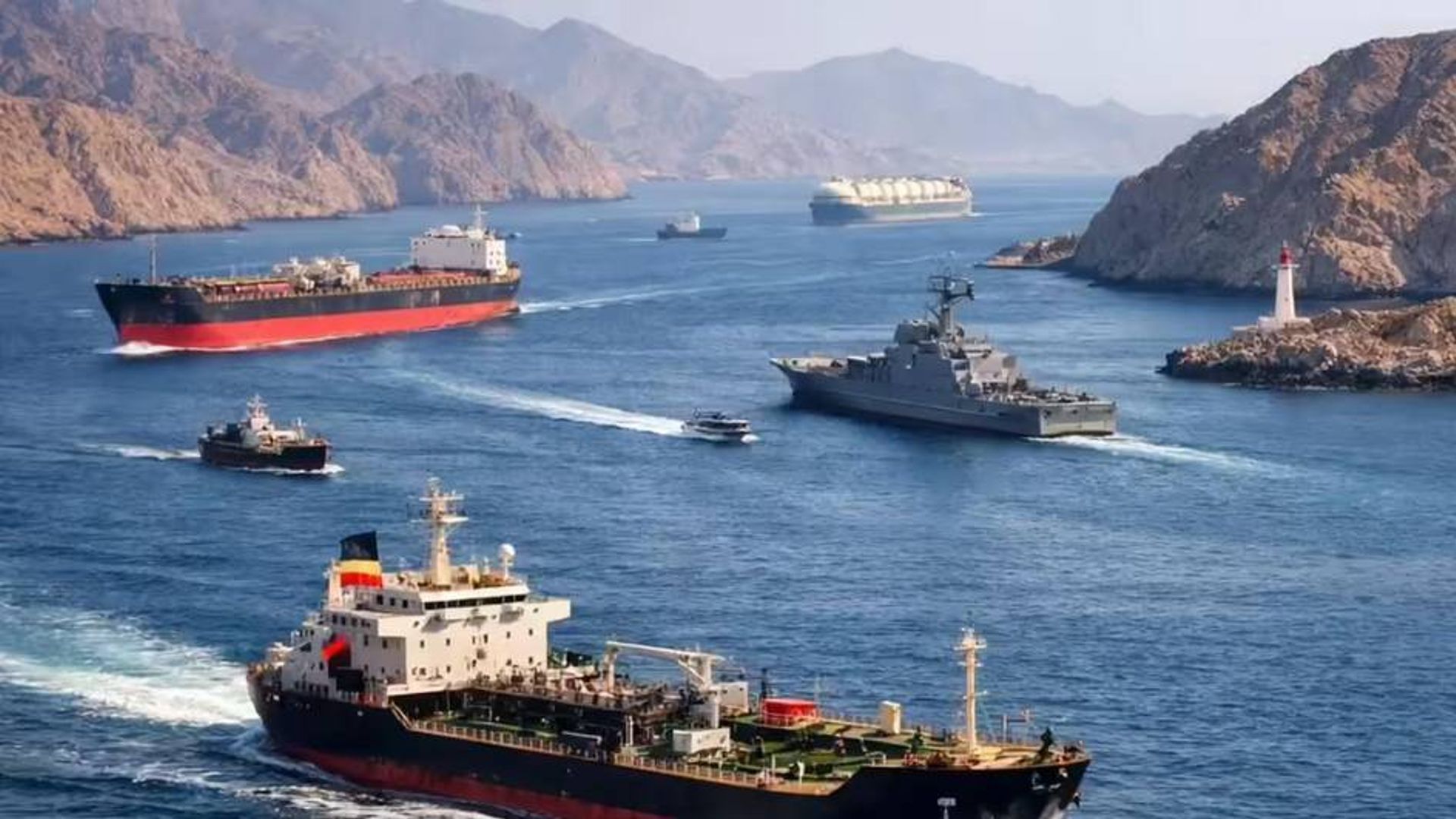
Seventeen million barrels of oil flowed through the Strait of Hormuz on Saturday, yet the waterway remains effectively paralyzed. While U.S. Central Command insists the chokepoint is open, Iran’s conflicting closure orders have forced shippers into a state of high-stakes, hour-by-hour risk assessment that defies any sense of normalization.

Money Talk·Jun 23
Chinese EV Makers Surge as European Auto Sales Shift Gears
Energy

Chinese EV Makers Surge as European Auto Sales Shift Gears

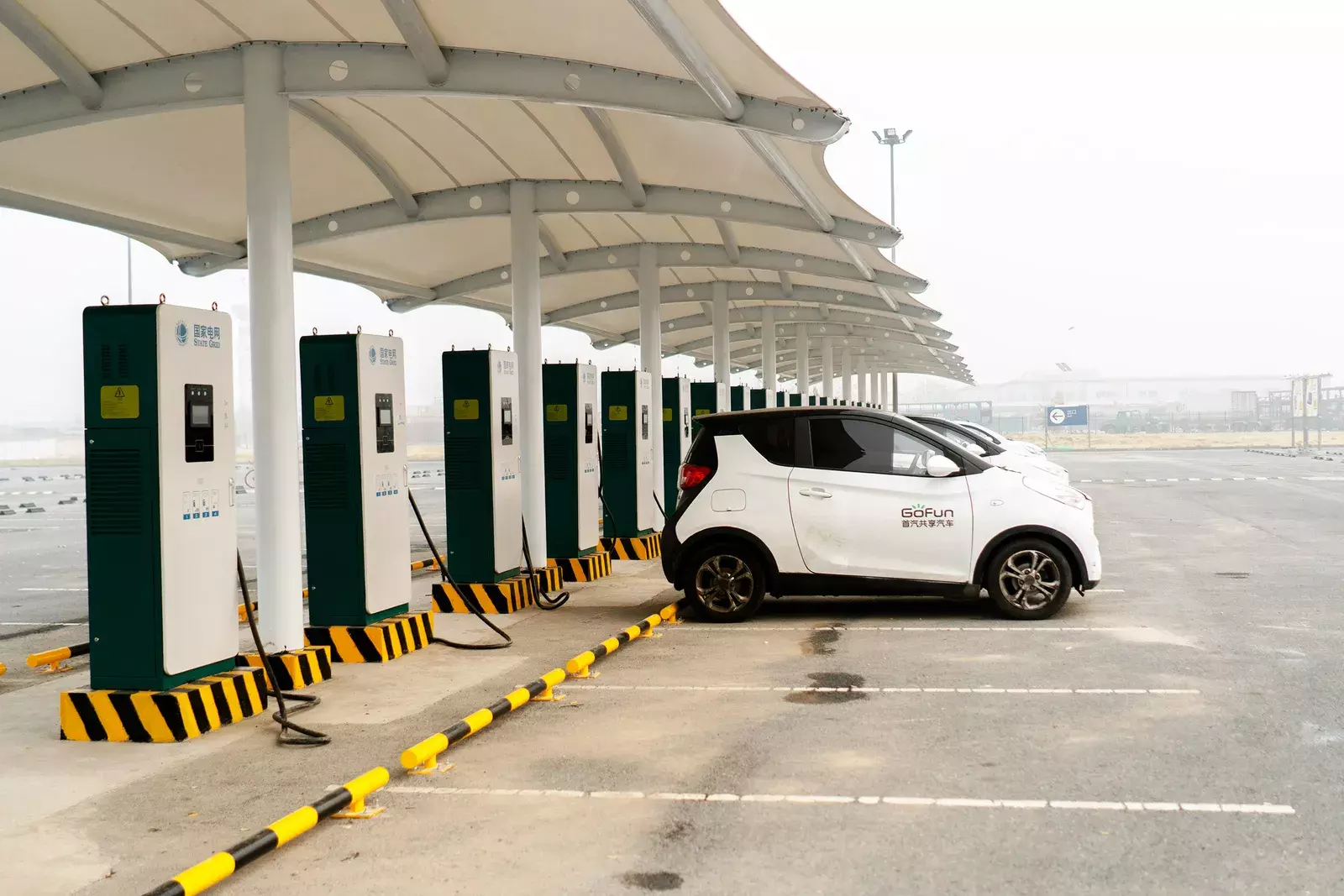
Chinese automakers are rapidly capturing European market share, with brands like Leapmotor and BYD reporting triple-digit growth in May. This surge coincides with a 3.6% rise in overall vehicle registrations across Europe, as consumers pivot away from traditional combustion engines toward electrified alternatives spurred by tax incentives and volatile fuel prices.

Money Talk·Jun 23
Cobalt Supply Networks Face High Risk of Global Cascading Failure
Energy

Cobalt Supply Networks Face High Risk of Global Cascading Failure

Nearly half of all electric vehicles on the road today remain tethered to cobalt-dependent battery chemistries, leaving the industry exposed to a fragile global supply chain. A new study reveals that this network is highly susceptible to targeted shocks, where a single disruption could trigger a massive ripple effect across international markets.

Money Talk·Jun 23
UK Power Grid Stays Resilient Despite Global Energy Market Volatility
Energy

UK Power Grid Stays Resilient Despite Global Energy Market Volatility

The National Energy System Operator confirmed that Britain maintains sufficient electricity supplies for the upcoming winter, even as instability in the Strait of Hormuz rattles global energy markets. Despite rising import costs and a shift toward renewable sources, grid officials insist that domestic households and businesses remain insulated from immediate shortages.

Money Talk·Jun 23
Oil Prices Tumble on Easing Iran Sanctions and Strait of Hormuz Flows
Energy

Oil Prices Tumble on Easing Iran Sanctions and Strait of Hormuz Flows

Crude prices sharpened their downward trajectory as reports of progress in U.S.-Iran peace talks signaled a potential return of Iranian supply to global markets. Brent crude fell to $77.51 per barrel, while West Texas Intermediate slipped to $73.62, reacting to a temporary waiver of sanctions on Iran's energy sector.

Money Talk·Jun 23
Venezuela’s Oil Industry Shifts Gears Under New Management
Energy

Venezuela’s Oil Industry Shifts Gears Under New Management

Following the January 2026 transition in Caracas, the Delcy Rodriguez administration has moved to dismantle the state-controlled energy monopoly. By reversing long-standing nationalization laws, the government is aggressively courting foreign investment to revive the nation's decaying infrastructure and restore production levels to their historical peaks.

Money Talk·Jun 23
The Energy War Behind the AI Boom
Energy

The Energy War Behind the AI Boom

Artificial intelligence is consuming electricity at a scale that mirrors the output of mid-sized oil producers. As global data center capacity races to double by 2030, the technology sector is shifting from a software-driven industry into a desperate, high-stakes scramble for secure, low-cost power infrastructure.

Money Talk·Jun 23
The Strategic Mirage: Why U.S.-Iran Talks Are Built for Stalling
Energy

The Strategic Mirage: Why U.S.-Iran Talks Are Built for Stalling

Despite headlines signaling a breakthrough, the 14-point Memorandum of Understanding between Washington and Tehran is not a peace treaty. Instead, it serves as a calculated mechanism for both sides to buy time, secure economic breathing room, and manage domestic political pressures while avoiding definitive military escalation.

Money Talk·Jun 23
London Maintains Global Lead in Green Finance Rankings
Energy

London Maintains Global Lead in Green Finance Rankings

For the eighth consecutive year, London has secured the top spot in global green finance rankings, even as the City of London Corporation warns that climate resilience is becoming a survival requirement for the global economy rather than a peripheral policy goal.

Money Talk·Jun 23
The Strait of Hormuz and the Approaching Energy Cliff
Energy

The Strait of Hormuz and the Approaching Energy Cliff

The Memorandum of Understanding signed between the U.S. and Iran last week offers a fragile hope for peace, but it likely fails to address the impending energy crisis. As global oil inventories hit critical lows, the geopolitical standoff over the Strait of Hormuz remains a choke point for the world economy.

Money Talk·Jun 22
Denmark and Germany Forge Europe’s First Green Hydrogen Corridor
Energy

Denmark and Germany Forge Europe’s First Green Hydrogen Corridor

A €1.3 billion subsidy package marks a pivotal shift for Europe’s energy transition, moving hydrogen from speculative PowerPoint presentations to tangible industrial reality. By linking Danish production to German heavy industry, the deal breaks the persistent chicken-and-egg deadlock that has stalled the continent’s hydrogen ambitions for years.

Money Talk·Jun 22
Greece Secures $26 Billion Investment Surge for Regional Energy Hub
Energy

Greece Secures $26 Billion Investment Surge for Regional Energy Hub

With the European Union racing to decouple from Russian gas by 2027, Greece is rapidly pivoting into a critical energy transit corridor. Global capital is following suit, as over $26 billion from major international investment funds poured into the nation's energy sector within the last month alone.

Money Talk·Jun 22
Saudi Arabia Maintains Reliance on Russian Fuel Amid Hormuz Crisis
Energy

Saudi Arabia Maintains Reliance on Russian Fuel Amid Hormuz Crisis

The Strait of Hormuz remains effectively closed, forcing Saudi Arabia to sustain high-volume imports of Russian fuel oil to power its domestic grid. By securing these shipments, the world's largest crude exporter preserves its own production for international markets, rerouting supply through the Red Sea despite regional instability.

Money Talk·Jun 22
Airlines Poised for $40 Billion Windfall as Oil Prices Plunge
Energy

Airlines Poised for $40 Billion Windfall as Oil Prices Plunge

A ceasefire between Washington and Tehran has triggered a sharp drop in crude oil, offering U.S. carriers a reprieve from unsustainable fuel costs. With jet fuel plummeting from $4.88 to $2.85 per gallon, the domestic airline industry stands to save over $40 billion annually, potentially reversing a painful earnings squeeze.

Money Talk·Jun 22
China’s AI Ambitions Clash With Grid Stability Realities
Energy

China’s AI Ambitions Clash With Grid Stability Realities

China’s push to fuel its surging AI infrastructure with renewable energy faces a fundamental technical hurdle: the rigid, high-intensity power demands of modern data centers. While Beijing targets a green energy transition for these facilities by 2030, grid operators warn that the volatile nature of AI loads makes this transition increasingly impractical.

Money Talk·Jun 22
Why Falling Oil Prices Won’t Mean an Immediate Return to Cheap Gas
Energy

Why Falling Oil Prices Won’t Mean an Immediate Return to Cheap Gas

Gasoline prices are finally retreating from their crisis peaks, offering modest relief to drivers after months of volatility triggered by the conflict with Iran. However, the disconnect between speculative futures markets and the slow reality of global supply chains suggests that a return to pre-war pump prices remains a distant prospect.

Money Talk·Jun 22
Gas Prices Spike as Geopolitical Tensions and Qatar Blast Converge
Energy

Gas Prices Spike as Geopolitical Tensions and Qatar Blast Converge

A 2% rise in European benchmark gas prices on Monday reflects a volatile mix of surging demand from an ongoing heatwave and renewed instability in the Persian Gulf. Markets are reacting to both the abrupt closure of the Strait of Hormuz and a catastrophic industrial accident at a major Qatari facility.

Money Talk·Jun 22
China Expands Infrastructure to Absorb Sanctioned Russian LNG
Energy

China Expands Infrastructure to Absorb Sanctioned Russian LNG

The Longkou LNG terminal in Shandong province is preparing to become a primary intake point for Russian liquefied natural gas, as Beijing seeks to bolster its energy security. Operated by state-owned PipeChina, the facility is positioned to process rising volumes from the Arctic LNG 2 project ahead of its 2026 launch.

Money Talk·Jun 22
Iran Surges Oil Exports as Strait of Hormuz Reopens
Energy

Iran Surges Oil Exports as Strait of Hormuz Reopens

Six million barrels of Iranian crude moved through the Strait of Hormuz on Monday, marking the highest daily export volume since the conflict began on February 28. This rapid evacuation follows the lifting of a U.S. naval blockade and the initiation of preliminary discussions regarding a lasting peace framework.

Money Talk·Jun 22
Kuwait Resumes Naphtha Exports Amid Volatile Strait of Hormuz Outlook
Energy

Kuwait Resumes Naphtha Exports Amid Volatile Strait of Hormuz Outlook

Kuwait Petroleum Corporation has launched a tender for naphtha shipments from its ports, marking a strategic shift as regional producers test the accessibility of the Strait of Hormuz. The move signals cautious optimism that maritime traffic may stabilize despite conflicting reports regarding the status of the critical oil chokepoint.

Money Talk·Jun 22
India Hits Record Russian Crude Imports Amid Middle East Supply Shifts
Energy

India Hits Record Russian Crude Imports Amid Middle East Supply Shifts

India is on track to receive 2.35 million barrels per day of Russian crude this June, an unprecedented monthly volume that eclipses the previous high set in May 2023. This surge comes as geopolitical instability in the Strait of Hormuz forces the world’s third-largest importer to rapidly reconfigure its energy sourcing.

Money Talk·Jun 22
Explosion at Qatar’s Barzan Gas Facility Leaves 18 Missing
Energy

Explosion at Qatar’s Barzan Gas Facility Leaves 18 Missing

Fifty-four workers were injured and 18 remain missing following a massive explosion and subsequent fire at Qatar’s Ras Laffan Industrial City. The incident occurred Sunday evening, June 21, 2026, during a technical malfunction at the Barzan gas supply facility, marking a severe setback for the nation’s energy infrastructure.

Money Talk·Jun 22
China’s Oil Demand Faces Permanent Shift Toward Electrification
Energy

China’s Oil Demand Faces Permanent Shift Toward Electrification

Forty-two percent of all new vehicles sold in China last May were electric, a surge that signals a structural shift in the world’s largest oil market. As consumers abandon combustion engines, analysts warn that the nation’s appetite for crude oil may never return to its former peak levels.

Money Talk·Jun 22
The Stalled Promise of Small Modular Reactors
Energy

The Stalled Promise of Small Modular Reactors

Once hailed as the engines of a global nuclear renaissance, small modular reactors are struggling to bridge the gap between laboratory potential and commercial reality. Despite billions in state-backed funding and aggressive policy mandates, supply chain bottlenecks and fragmented regulatory environments continue to slow the transition from prototype to power grid.

Money Talk·Jun 22
Corporate Giants Push for Rapid Electrification to Shield Supply Chains
Energy

Corporate Giants Push for Rapid Electrification to Shield Supply Chains

With $1.5 trillion in combined annual revenue, a coalition of 112 major corporations including Ikea, Nestle, and Volvo Cars is demanding that governments accelerate the shift toward electricity. The group argues that moving away from volatile fuel markets is now essential to stabilize supply chains and protect against price spikes.

Money Talk·Jun 22
Qatar Recalls LNG Carriers Amid Ras Laffan Repair Crisis
Energy

Qatar Recalls LNG Carriers Amid Ras Laffan Repair Crisis

Three QatarEnergy liquefied gas carriers are currently steaming toward the Strait of Hormuz, signaling an urgent push to resume exports. This mobilization follows a devastating mid-March missile strike on the Ras Laffan complex, an incident that forced the state-run firm to declare force majeure and halt output.

Money Talk·Jun 22
Beyond the Chip: Why Electricity is the New AI Bottleneck
Energy

Beyond the Chip: Why Electricity is the New AI Bottleneck

The meteoric rise of NVIDIA was fueled by a temporary chip shortage, but a far more intractable crisis is looming. As AI data centers demand unprecedented amounts of power, the grid is proving incapable of keeping pace, shifting the industry's focus from silicon manufacturing to the control of physical energy infrastructure.

Money Talk·Jun 22
Middle East Energy Producers Pivot to Pipelines to Bypass Hormuz
Energy

Middle East Energy Producers Pivot to Pipelines to Bypass Hormuz

The blockade of the Strait of Hormuz, once dismissed as a geopolitical impossibility, has paralyzed a fifth of global energy flows and forced a radical shift in infrastructure strategy. Producers are now abandoning total reliance on tanker traffic, prioritizing new pipeline networks to insulate their exports from regional instability.

Money Talk·Jun 22
British Manufacturing Faces Exodus as Energy Costs Hit Breaking Point
Energy

British Manufacturing Faces Exodus as Energy Costs Hit Breaking Point

British manufacturers are abandoning domestic production at an alarming rate, driven by electricity prices that dwarf those of global competitors. With one in ten firms warning of imminent insolvency, the sector is grappling with a precarious reliance on volatile natural gas markets and mounting government-imposed grid levies.

Money Talk·Jun 22
India Pivots to U.S. Energy Following Strait of Hormuz Closure
Energy

India Pivots to U.S. Energy Following Strait of Hormuz Closure

The closure of the Strait of Hormuz has sent India’s crude prices soaring from $69 to over $114 per barrel, forcing New Delhi to overhaul its energy strategy. With 45 percent of its crude imports previously flowing through the bottleneck, India is now aggressively pivoting toward the United States to secure vital supplies.

Money Talk·Jun 21